Questions people askFirst aid questions people ask
Short answers, each linked to the guide that covers it properly.
Informational only — not medical advice.
What should a home first aid kit actually contain?
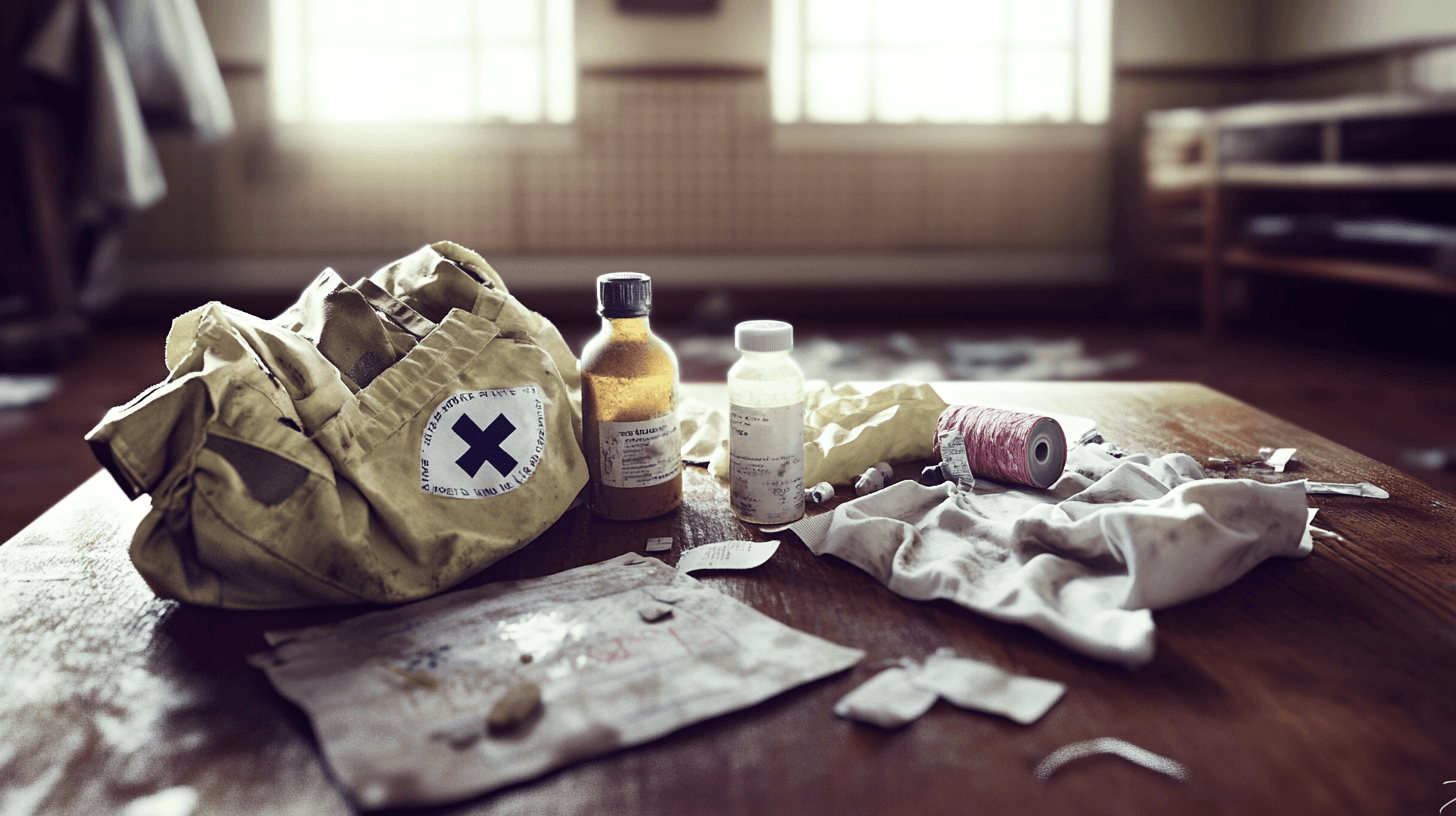
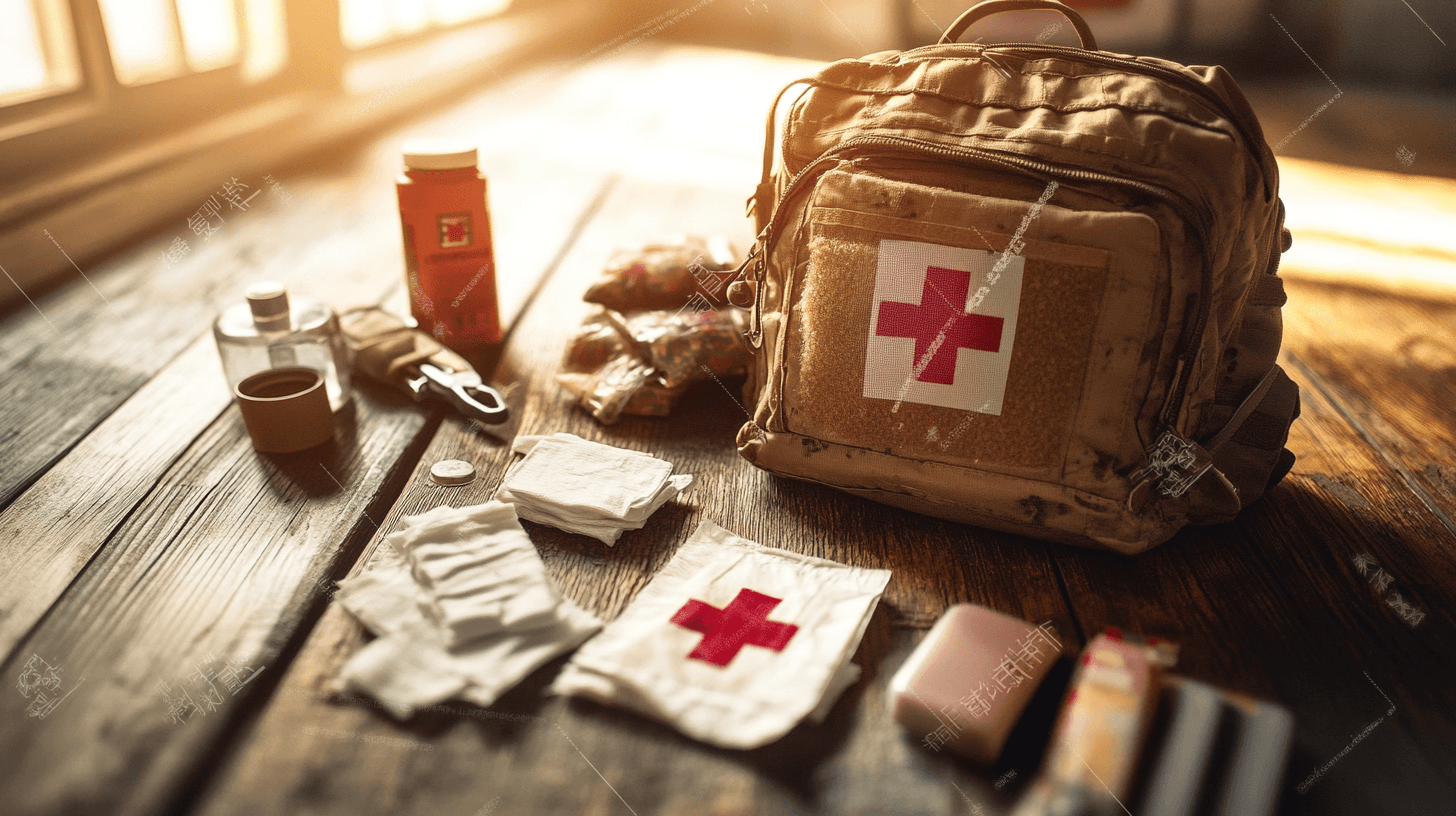
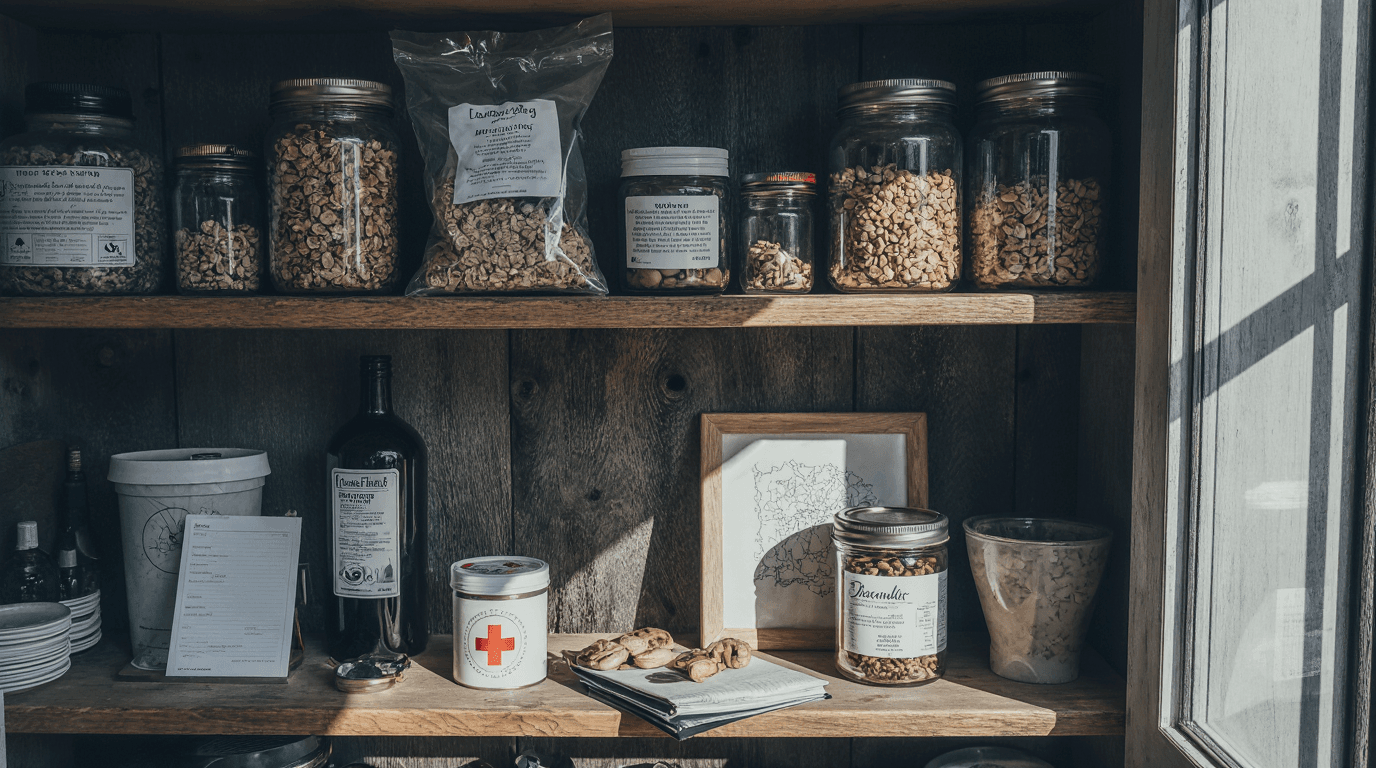
Bleeding control first: gauze, a pressure bandage, gloves and tape. Then wound cleaning, burn care, and a week of any prescription medication your household depends on.Build a household kit →
When does a wound need stitches instead of closure strips?
Closure strips work for shallow, clean-edged cuts that stay together on their own. A wound needs professional closure when it is deep, gapes open, sits over a joint, or came from a dirty or jagged object.Read the wound care basics →
Can I keep antibiotics at home for emergencies?
Prescription antibiotics are matched to a specific infection and dose, and using the wrong one can delay proper treatment or contribute to resistance. Talk to a prescriber about what is appropriate for your household rather than stockpiling leftover medication.Read the infection-care guide →
How long does someone with severe bleeding have?
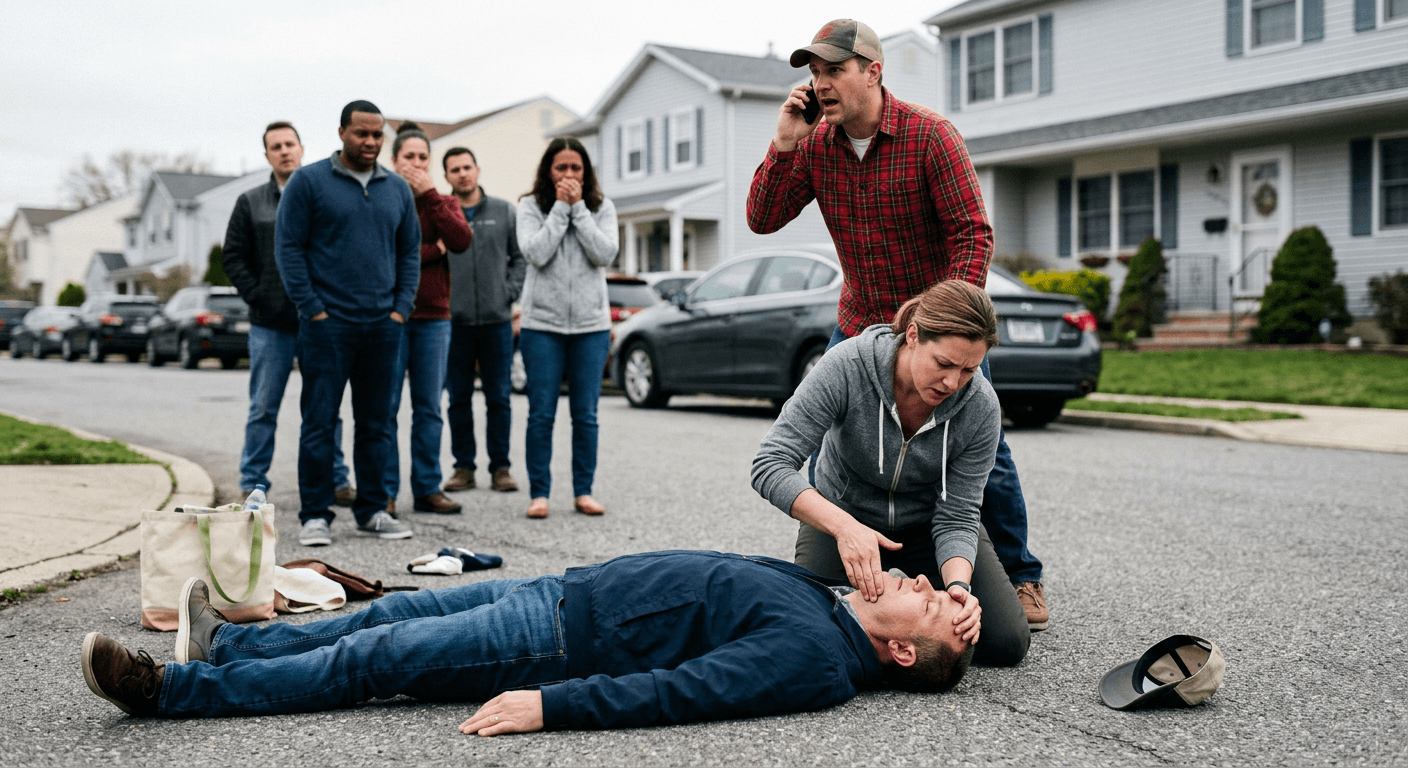
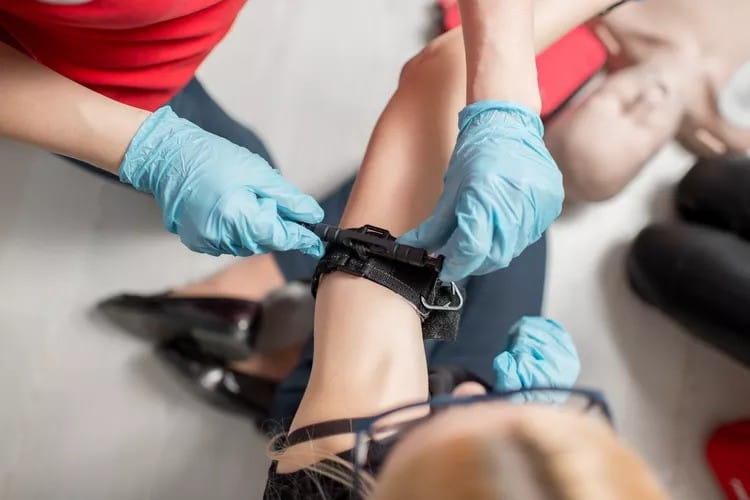
Severe arterial bleeding can be life-threatening within minutes, which is why direct pressure and a tourniquet come before anything else. Treat any bleeding that will not stop with pressure as a call-emergency-services situation, not a wait-and-see one.Learn the one skill →
What can I do if a pharmacy cannot fill a prescription?
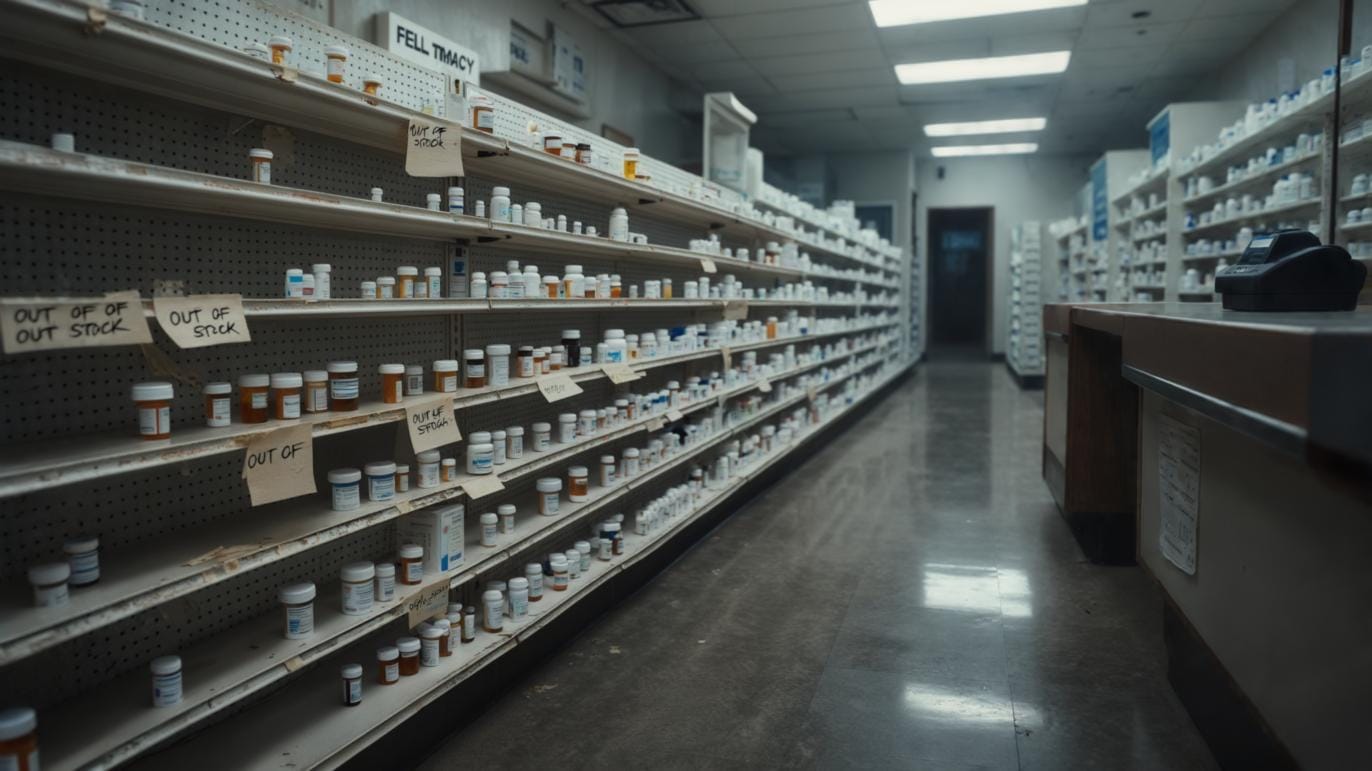
Ask the pharmacist about an emergency refill under your state's rules, which many allow for maintenance medications. A prescriber's office or an urgent care clinic can also issue a temporary bridge prescription while the original is sorted out.