The Survival NexusThe Survival Nexus

Topic · practical equipment

Gear guides

Compare emergency power, lighting, radios, and survival kits to choose equipment that fits your needs.

21 guidesUpdated November 2026
21 guidesUpdated November 2026Sources cited in every guide

21 guides

Updated November 2026

Sources cited in every guide

Start with this one

The guide we send people to first

Best Power Outage Supplies for Home: What to Buy First, What Can Wait
Gear guidesUpdated Aug 14, 2026

Best Power Outage Supplies for Home: What to Buy First, What Can Wait

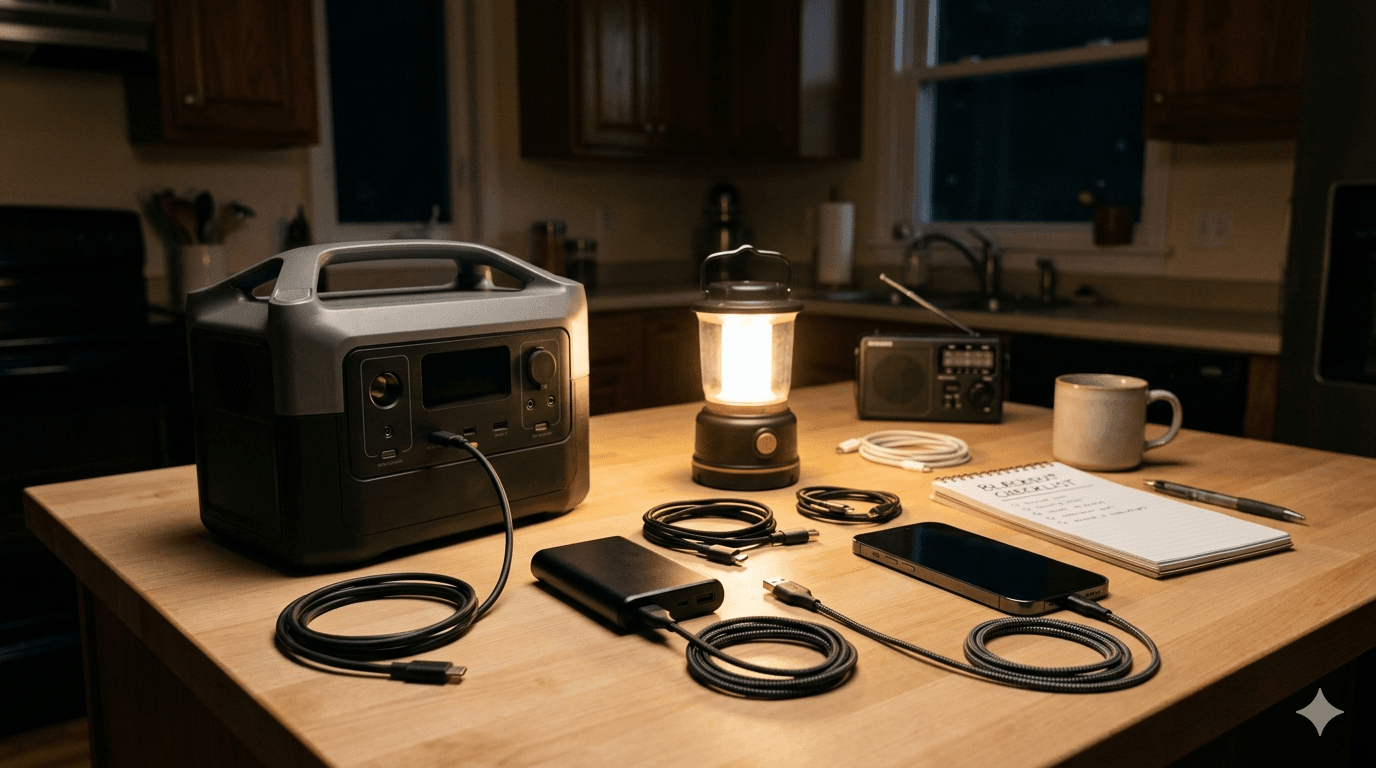
The best power outage supplies are not a pile of tactical gadgets. They are a small set of practical items that lets your household see, communicate, charge essentials, eat safely, stay warm or cool enough, and avoid the most common blackout mistakes. The right kit for a suburban house will not look...

Read the guide →

New here? Read these in orderNew to this? Read these three in order

Buy the basics first

Best Power Outage Supplies for Home: What to Buy First, What Can Wait

Buy the basics first

Choose your backup power

Power Bank vs Portable Power Station: Which Do You Need for a Blackout?

Choose your backup power

Stay informed off-grid

Emergency Radio for Power Outages: What Features Matter and What to Skip

Stay informed off-grid

All gear guides

Sort guides

Sort

NewestMost read

Showing 8 of 20

A Small Get-Home Bag and a Safer Plan for a Disrupted Commute

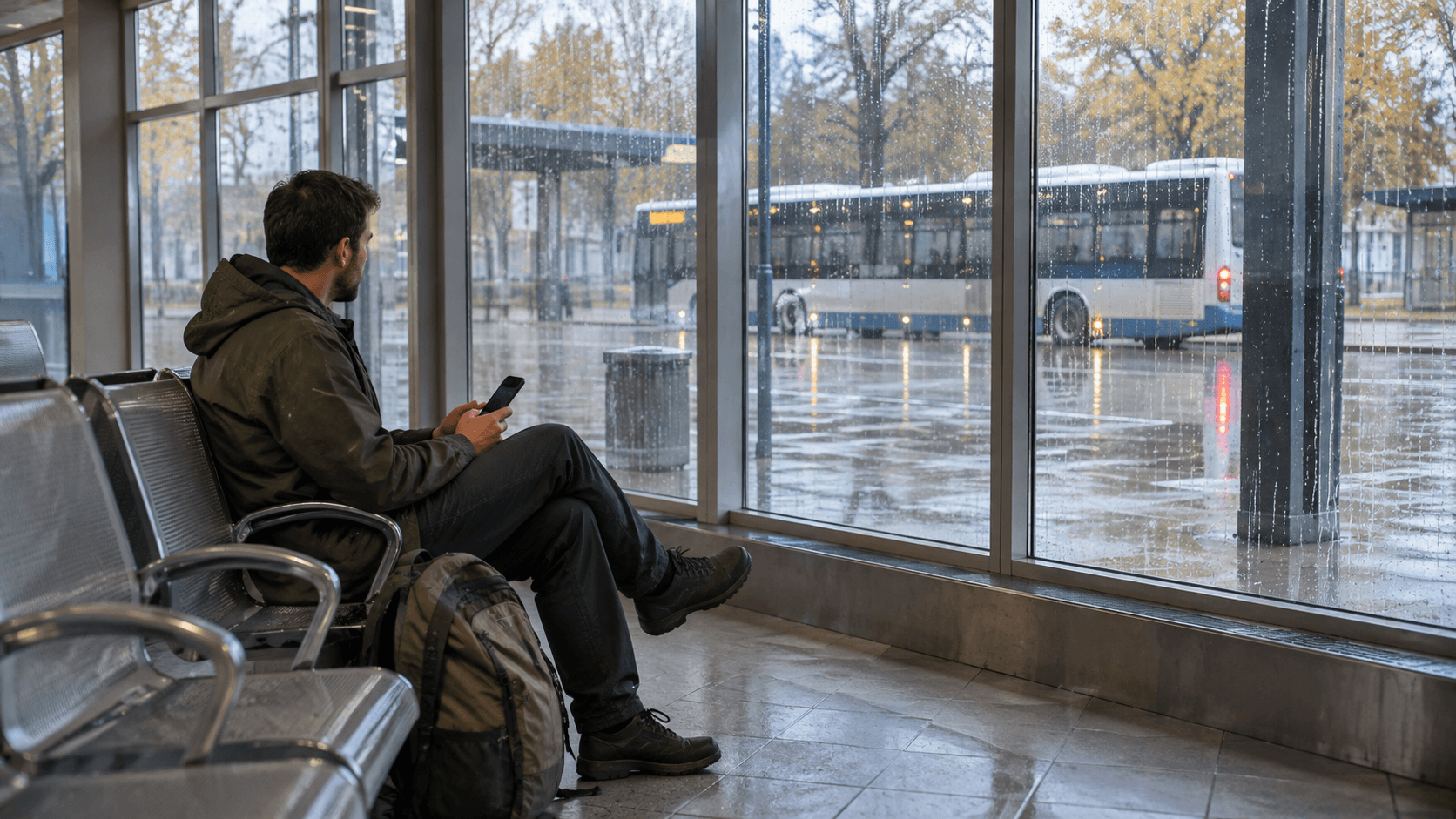
A cancelled train can leave you needing to collect a child, reach medicine or find transport for a mobility aid. A small get-home bag helps, but it cannot tell you whether home is reachable or safe. Build your commuter emergency plan around five options: wait, shelter nearby, use another service, ar...

Nov 9, 2026

Should You Choose 5 or 7 Gallon Emergency Water Containers?

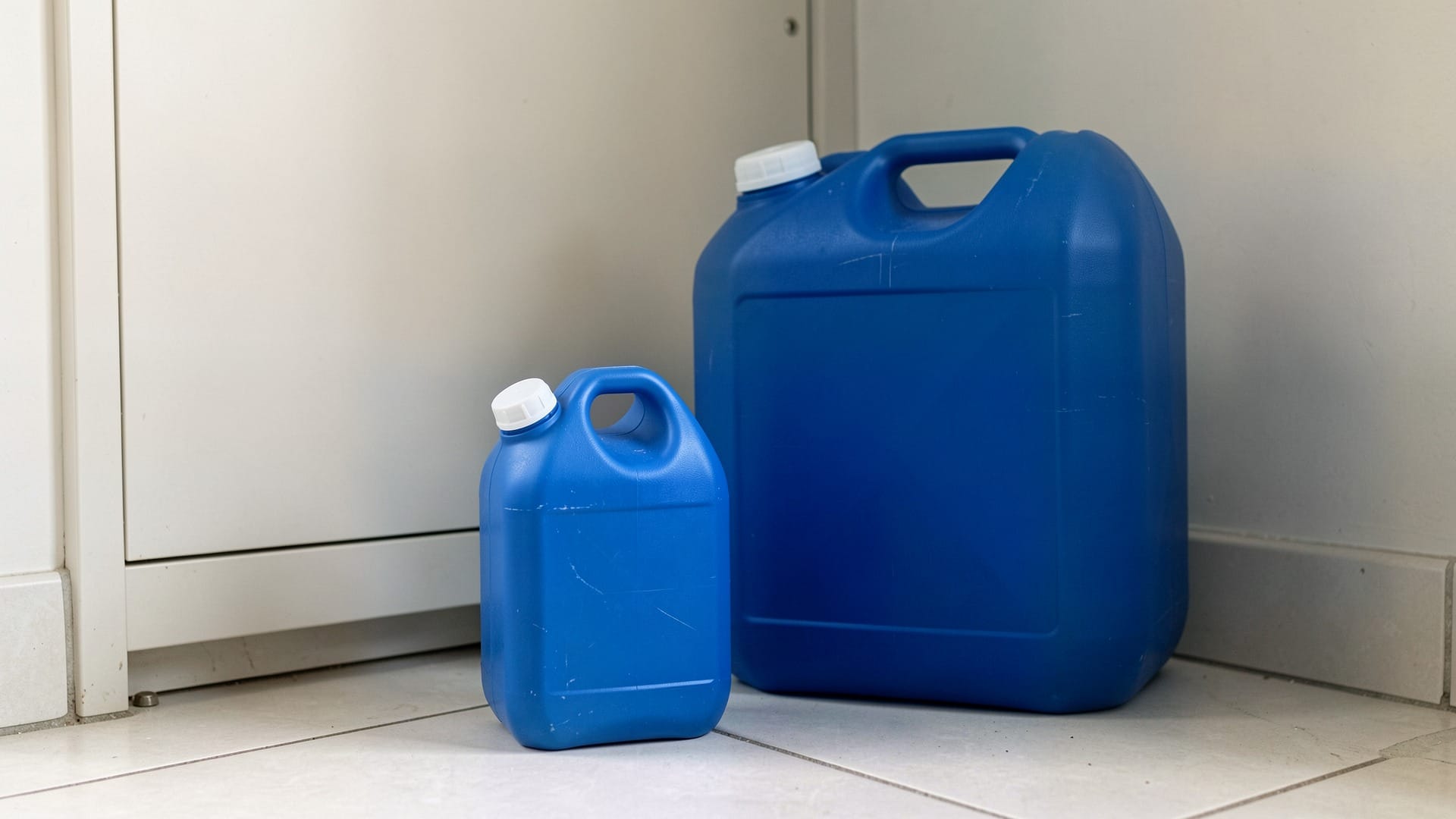
A seven-gallon (26.5-liter) jug holds about 58.4 pounds (26.5 kilograms) of water before you count the jug. Five gallons (18.9 liters) reduces that to 41.7 pounds (18.9 kilograms). Neither size becomes easy to use just because it has a handle. Compare how each size divides the same reserve and wheth...

Oct 21, 2026

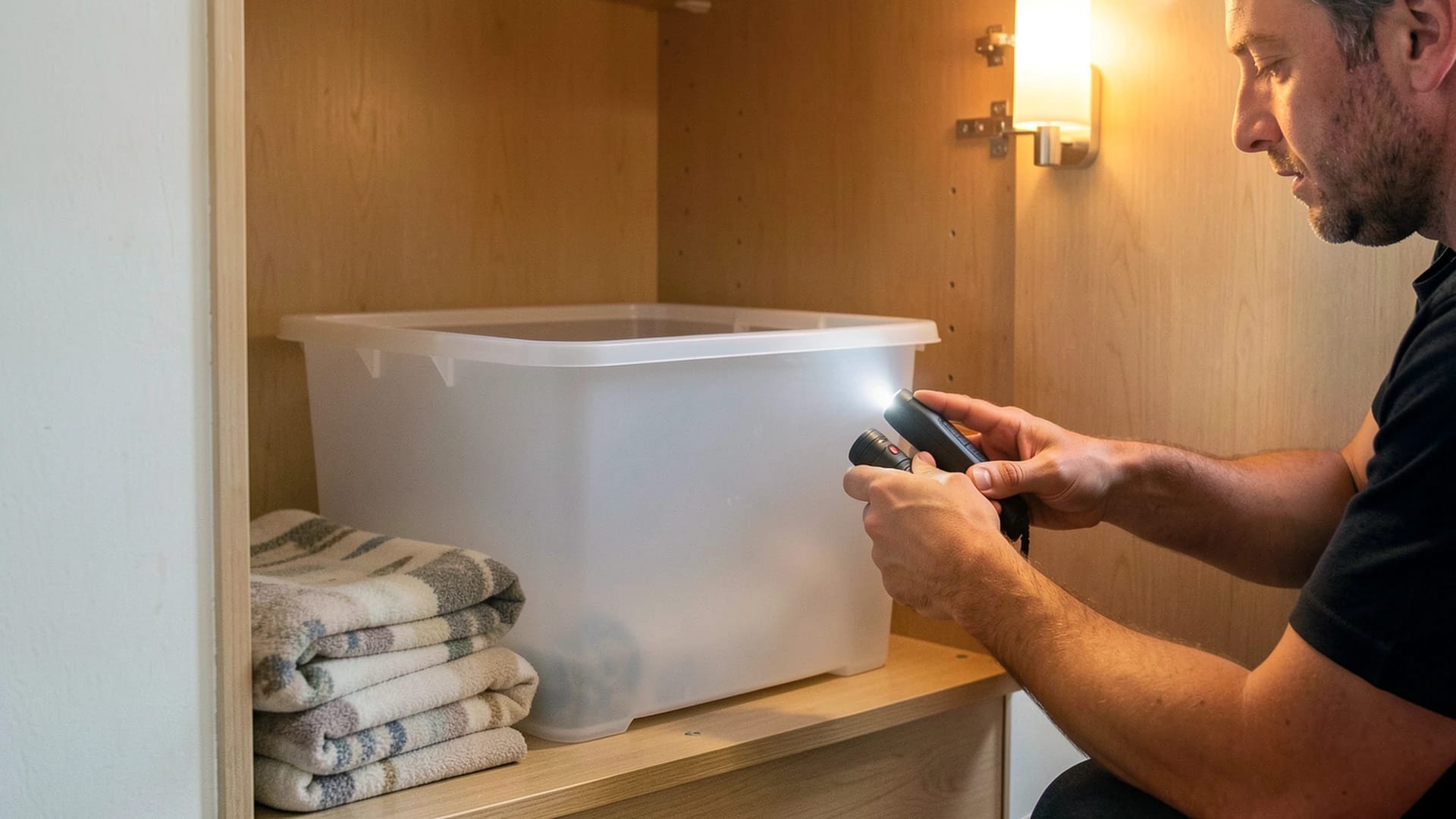
How to Test Your Power Outage Kit Without Turning Off the Power

A flashlight in a drawer and a power bank in a cupboard are useful only if you can find them and make them work. A household kit check turns those assumptions into observations: which light you can operate, which cable charges your phone, and which instructions are missing. Leave the electricity on....

Oct 14, 2026

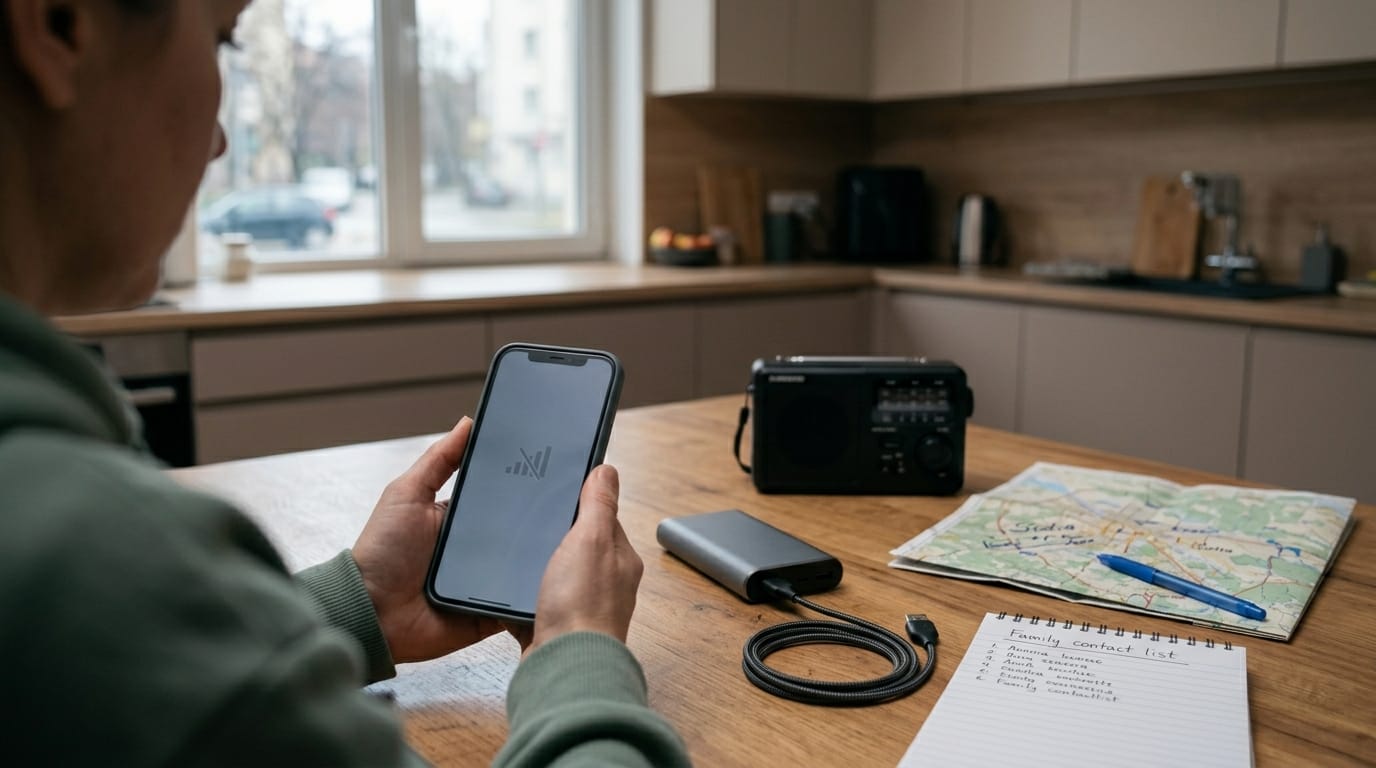
What to Do When Cell Service Goes Down: Calls, Texts, SOS, and a Family Backup Plan

Cell service can disappear while everything else looks normal. Your phone may show SOS, no bars or a spinning message indicator even though the lights are still on. A carrier failure, overloaded network, damaged fiber connection, tower power loss, software problem or regional disaster can all create...

Aug 19, 2026

Emergency Radio for Power Outages: What Features Matter and What to Skip

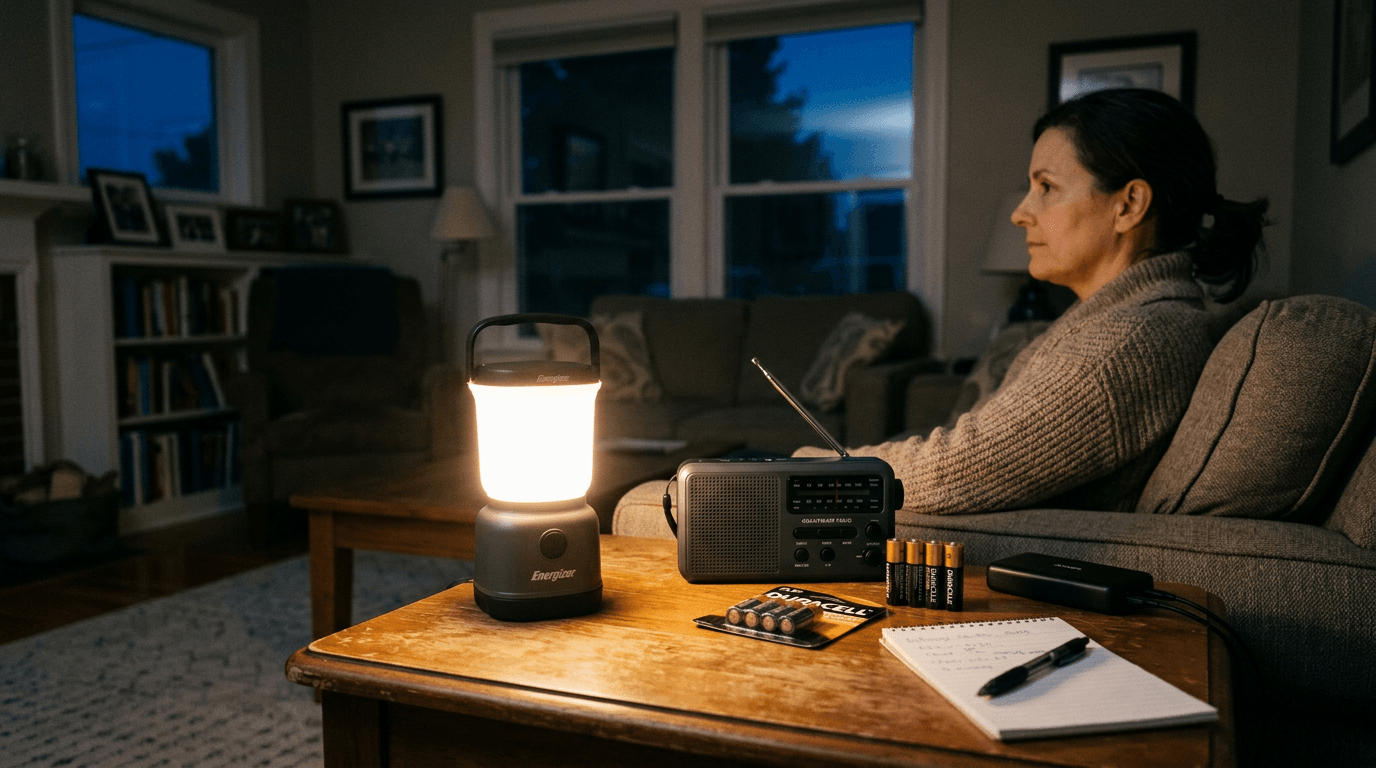
When the power fails, your phone may still work - but every percentage point of battery suddenly matters. Mobile data can become unreliable, home internet disappears with the router, and local conditions may change faster than a social feed can explain them. An emergency radio gives your household a...

Aug 6, 2026

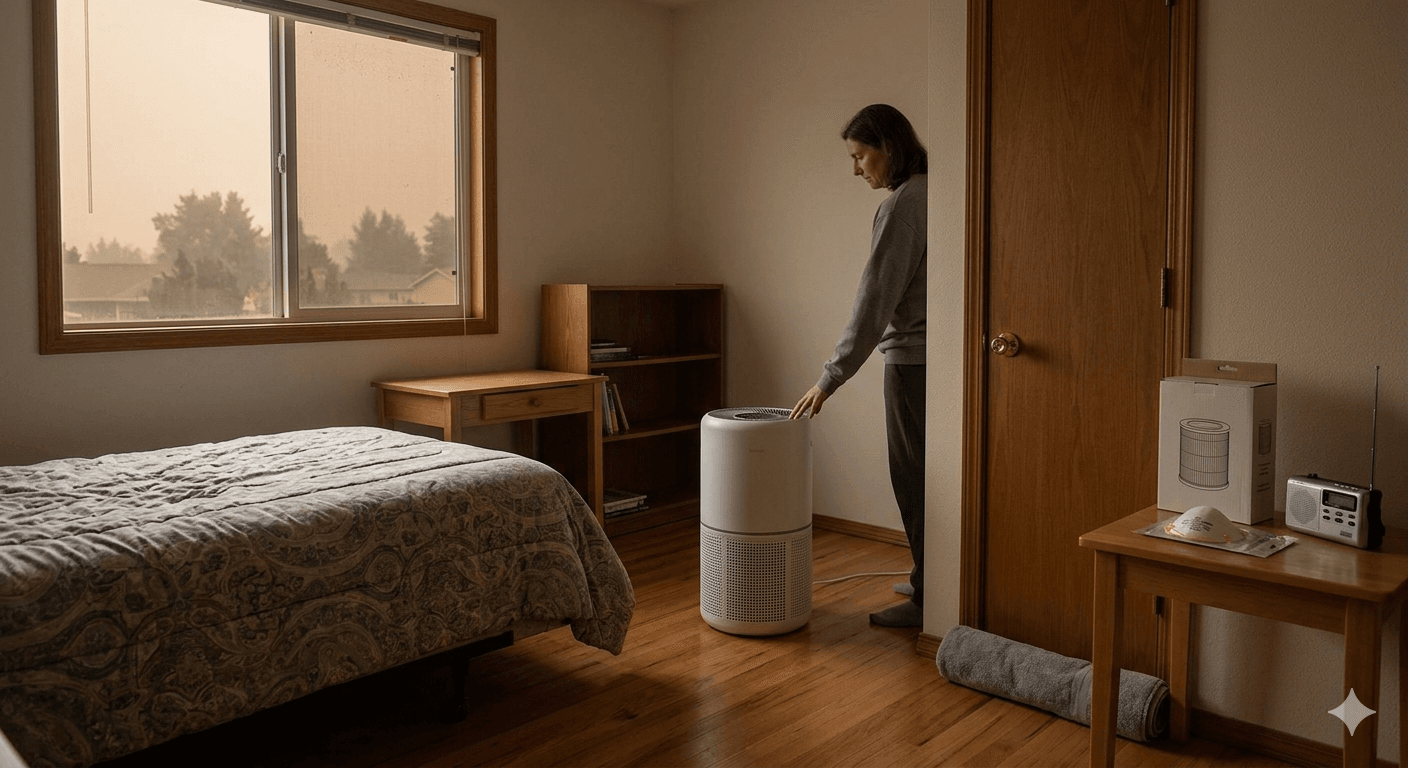
Wildfire Smoke Clean Room Setup: Air Purifier, Filters, and What Actually Helps

Wildfire smoke can make a normal home feel unsafe even when the fire is far away. The sky turns gray, the house smells smoky, and every open door or leaky window seems to bring the outside indoors. For many households, the best immediate move is not evacuation. It is creating one cleaner-air room an...

Jun 4, 2026

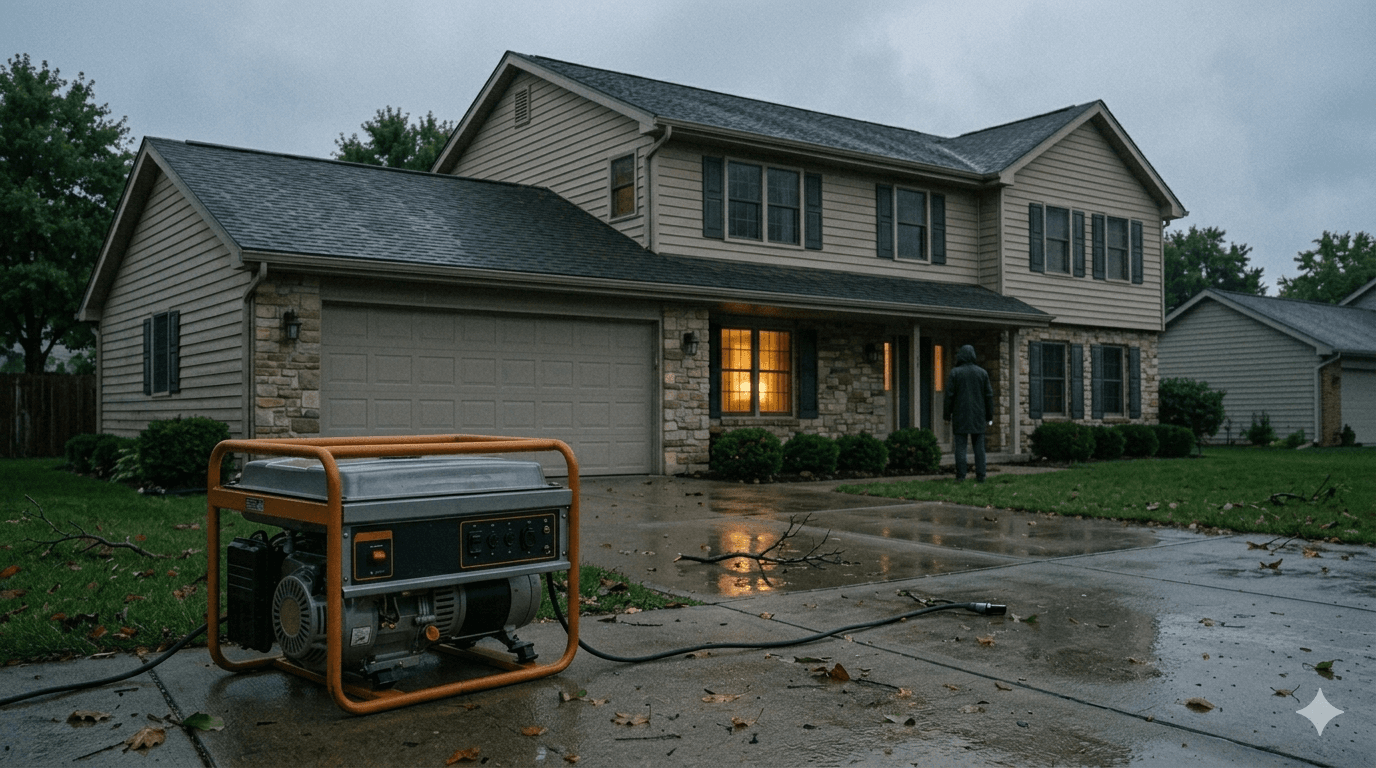
Generator Carbon Monoxide Safety Checklist: Where to Put It and What Not to Do

A generator can make a power outage easier, but it can also turn a bad night into a deadly one. The most dangerous generator mistake is not noise or fuel storage. It is carbon monoxide: an invisible, odorless gas that can build up when fuel-burning equipment is used too close to a home. This checkli...

Jun 4, 2026

Power Bank vs Portable Power Station: Which Do You Need for a Blackout?

A power bank and a portable power station solve different outage problems. A power bank is the practical first purchase for phones and small USB devices. A portable power station becomes useful when you have measured loads that require more stored energy, higher-power USB ports, DC output, or an AC ...

Jun 1, 2026

Manufacturer-spec examples

Which piece of backup gear fits your situation

Phone power, hands-free light and emergency information cover separate jobs. Choose the role that addresses a real gap in your setup.

Selected using current manufacturer specifications and Amazon listing checks.

Phone-scale backup

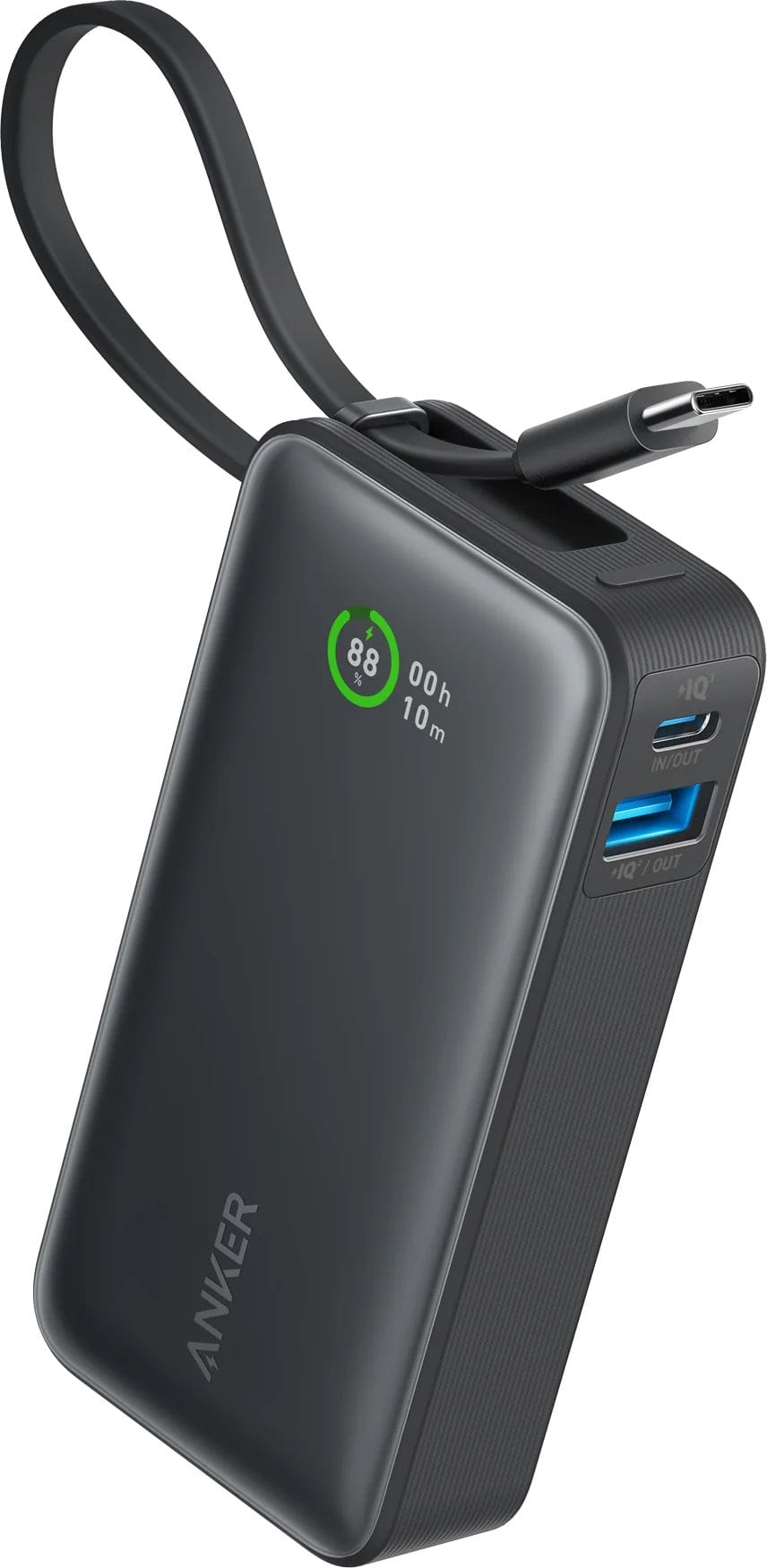
Black Anker Nano power bank with attached USB-C cable and USB ports

Anker Nano Power Bank A1259 (30W, Black Stone)

A 10,000mAh power bank with a built-in USB-C cable and up to 30W single-port charging.

Limitation: Not a substitute for a larger power station. The 30W figure is for a single output; simultaneous multiport output is limited to 24W per Anker.

View Anker Nano Power Bank A1259 (30W, Black Stone) on AmazonRead the phone-power guide →

Hands-free light

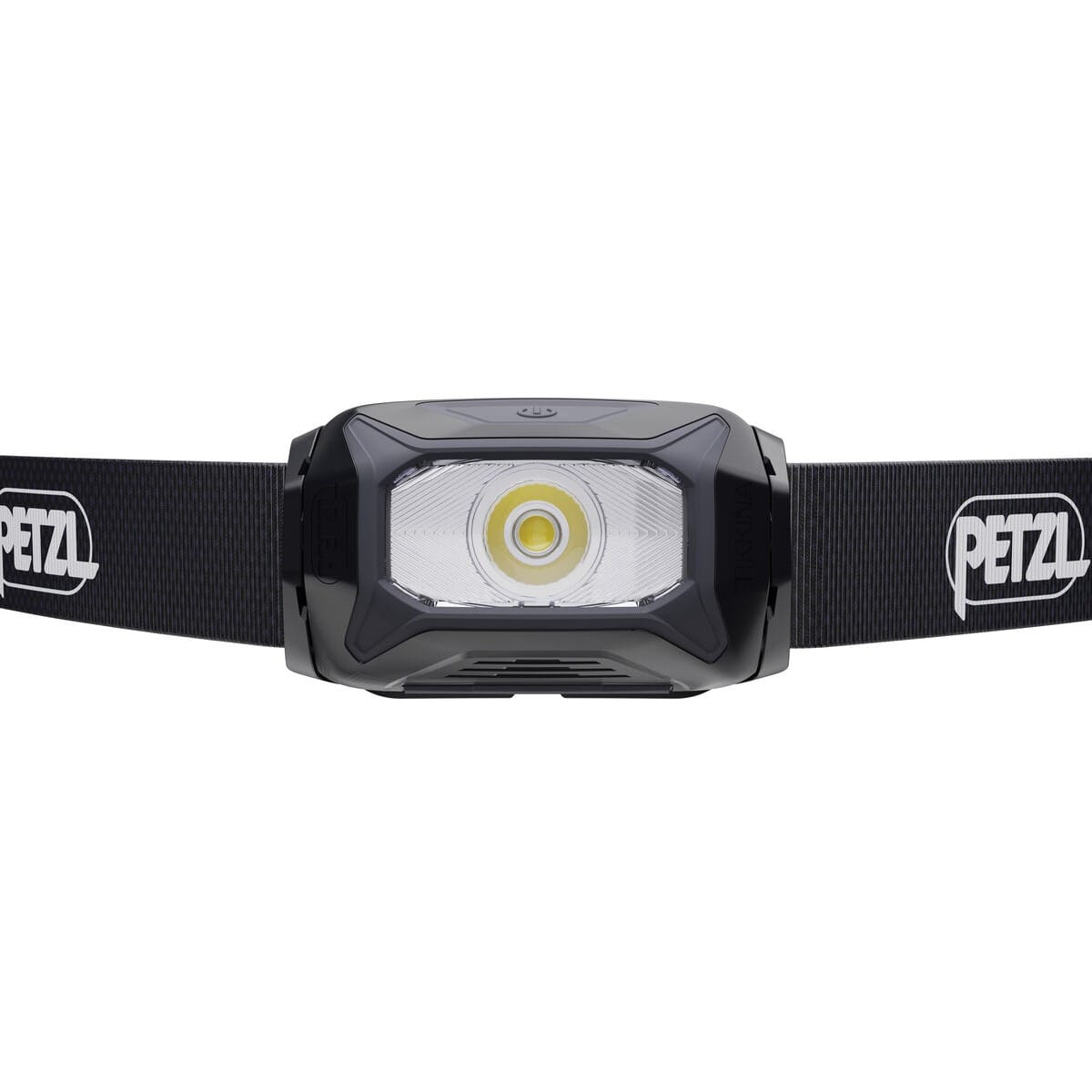
Black Petzl TIKKINA headlamp with black elastic headband

Petzl TIKKINA 300 Headlamp (Black)

Compact 300-lumen headlamp supplied with three AAA batteries; also accepts the optional Petzl CORE rechargeable battery.

Limitation: CORE rechargeable battery is not included. Petzl says this headlamp is not certified for road use.

Emergency information

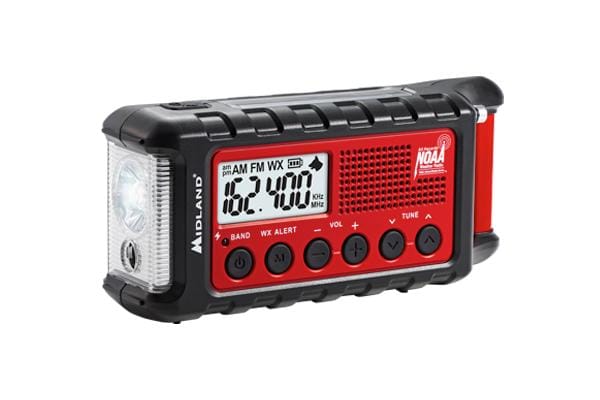
Red-and-black Midland emergency radio with digital display and flashlight

Midland ER310 Emergency Crank Weather Radio (Red/Black)

Portable AM/FM and NOAA weather radio with multiple power sources and a built-in flashlight.

Limitation: Do not rely on a single device or charging method for emergency alerts; keep its battery charged and test reception in your location.

As an Amazon Associate we earn from qualifying purchases. Full affiliate disclosure

Questions people askGear guides questions people ask

Short answers, each linked to the guide that covers it properly.

How many watt-hours do I actually need?

Add up what actually has to keep running, not what could. Phones, a router and lights for two days sit near 300Wh; a fridge pushes that past 1,000Wh.Size your kit →

Power station or fuel generator?

A power station is quieter, produces no exhaust, and can be used indoors, but it holds a fixed amount of energy until it is recharged. A fuel generator can run indefinitely on stored fuel but needs ventilation, upkeep, and a safe place to store that fuel.

Do solar panels help during a winter outage?

They help, but expect less: shorter daylight hours, low sun angles and snow cover all cut typical output well below a panel's rated wattage. Treat solar as a slow top-up during a winter outage, not a primary recharge method.

Can a CPAP run off a battery?

Many CPAP machines can run from a power station with enough continuous watt output, but humidifier and heated-hose settings draw much more power than the blower alone. Check your machine's power draw against the station's continuous output rating before relying on it overnight.Check CPAP power needs →
Wilderness

Shelter, fire, and water when you're on your own.

Collapse & conflict

Plan for when the usual systems don't come back.

Power outages

Keep the lights, fridge, and phones running.