Topic · water and food security
Water & food
Store drinking water, protect food during emergencies, and learn practical ways to build household supplies.
22 guides
Updated November 2026
Sources cited in every guide
Start with this one
The guide we send people to first
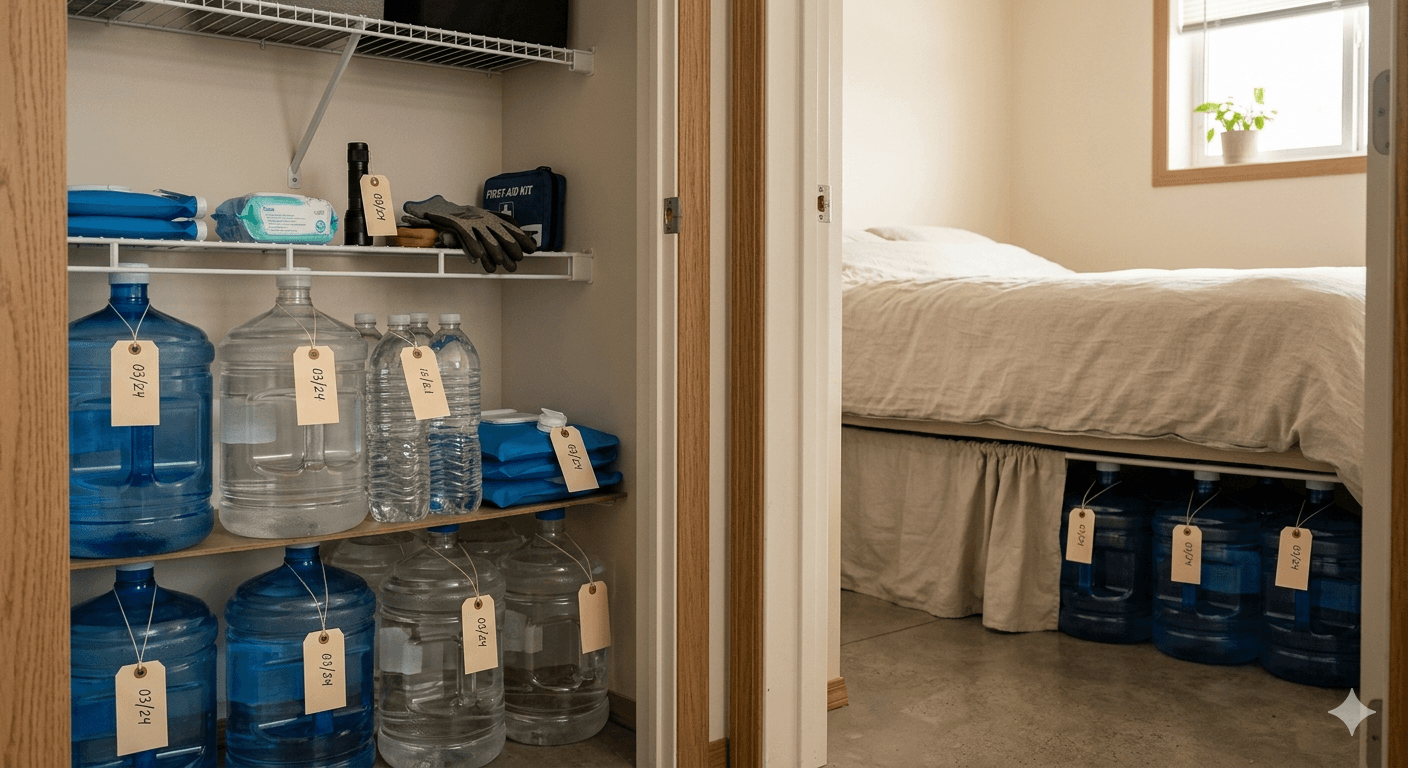
Emergency Water Storage for Apartments: How Much to Keep and Where to Put It
Apartment emergency water storage is a different problem from suburban basement storage. You may not have a garage, spare closet, utility room, or permission to stack heavy containers wherever you want. But you still need water if a pipe breaks, a boil-water advisory hits, a storm disrupts service, ...
Read the guide →Showing 8 of 21
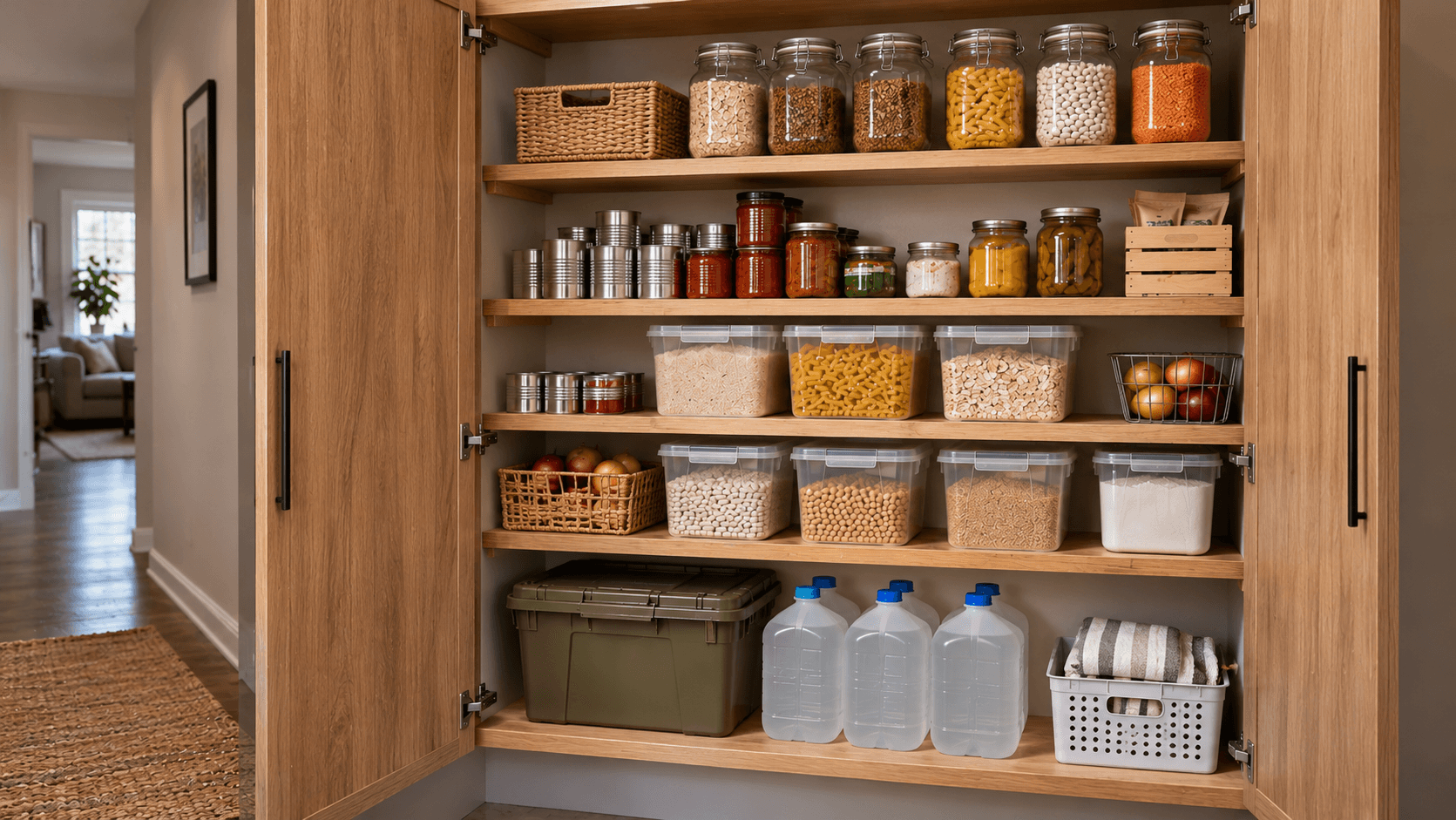
Where to Store Emergency Food at Home
The empty shelf in the garage looks useful until summer arrives. The basement feels cool, but there is a damp patch after heavy rain. Meanwhile, a small hallway closet may offer less space but fewer problems. The best place for emergency food is the spot whose conditions suit the food, not the room ...
Nov 7, 2026
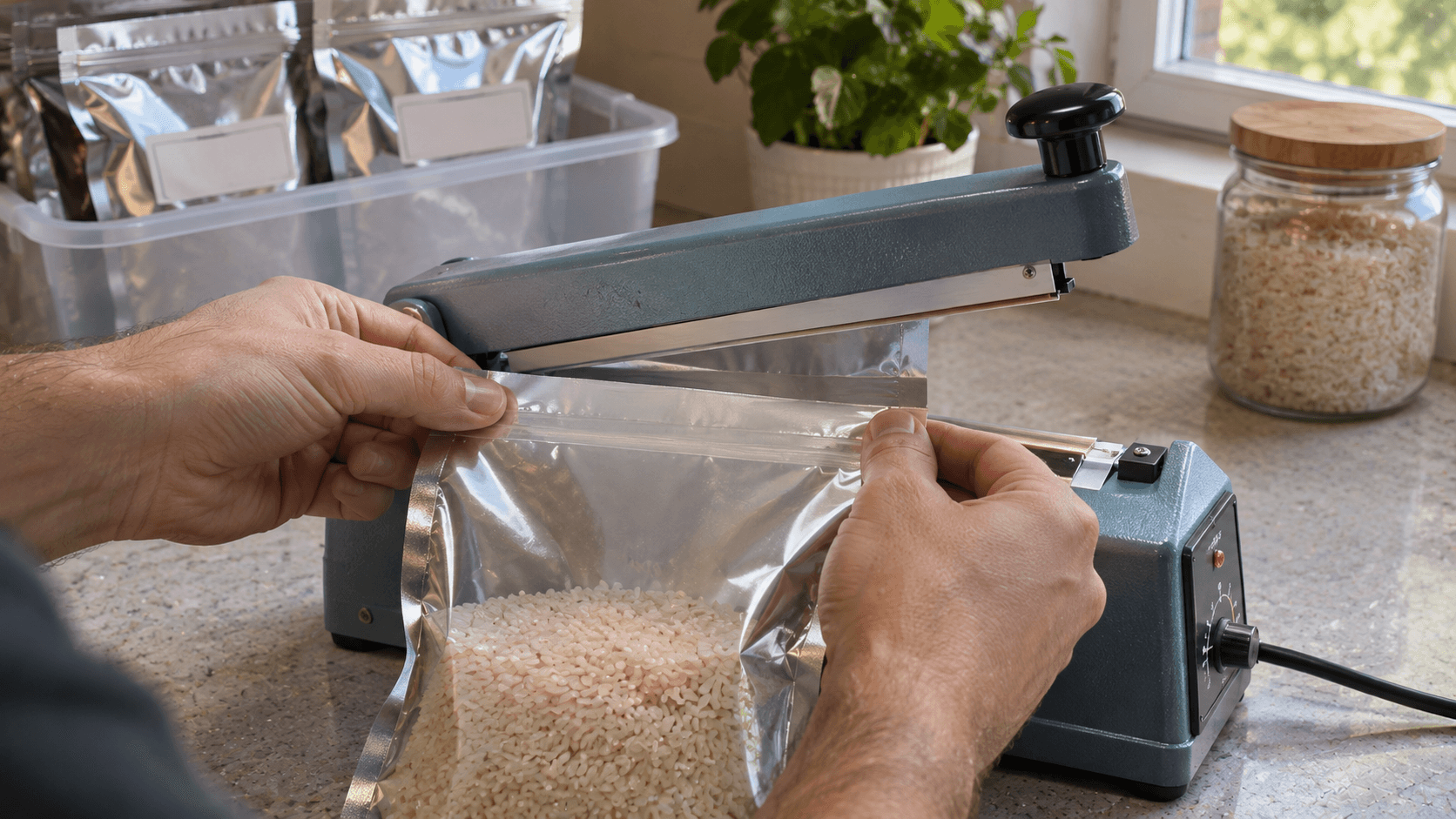
How to Pack White Rice in Mylar Bags
Start with a small batch you can finish without rushing. This sequence is for plain, uncooked, commercially dry polished white rice from a reliable supplier, in an intact package with a known dry storage history. It is not a method for every food sold as “dried.” Rice still needs safe water and cook...
Nov 4, 2026
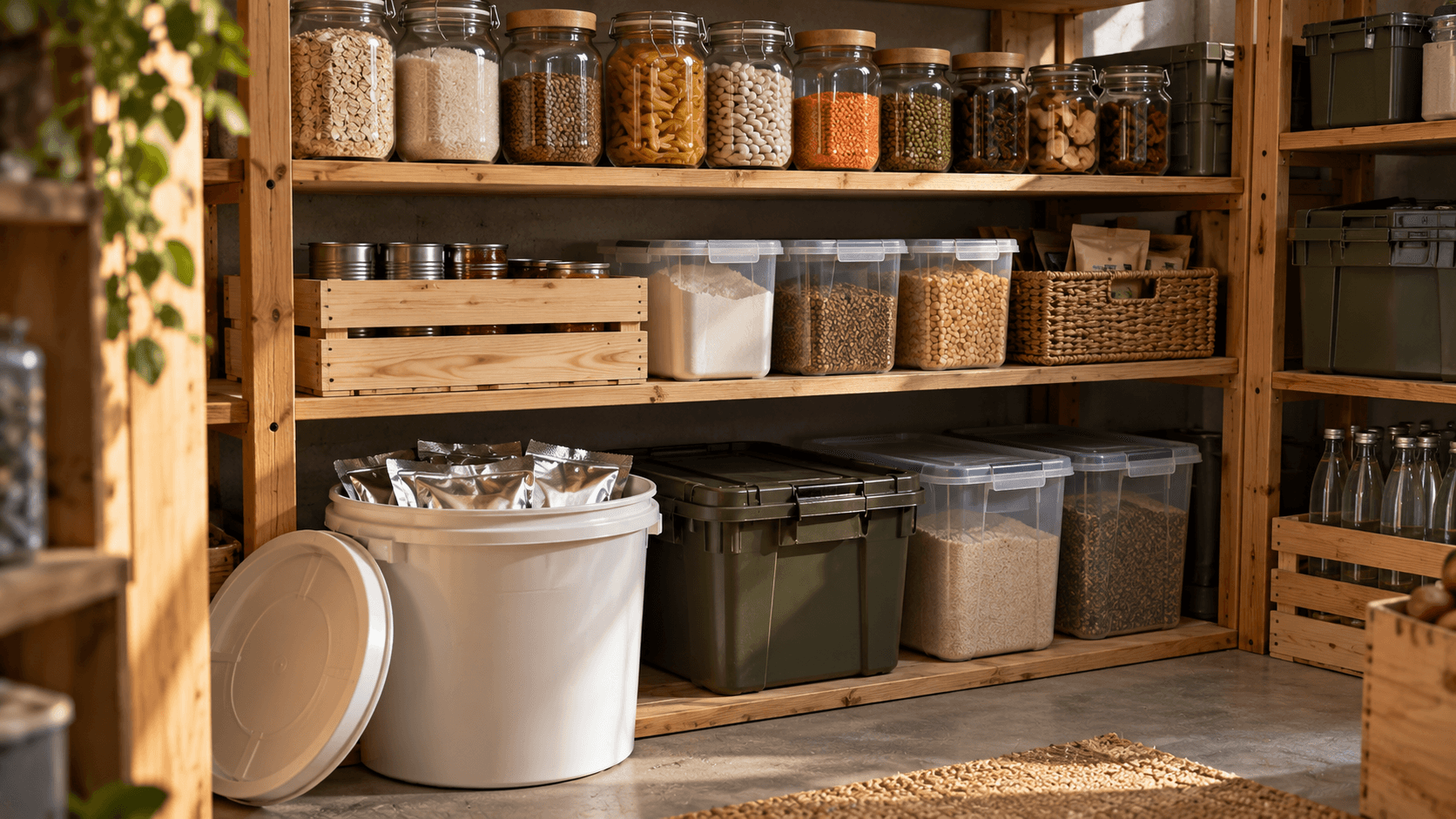
Choosing Dry-Food Storage Containers That Fit Your Pantry
A giant bucket can be a poor answer to a small pantry problem. If you struggle to lift it or close its lid, extra capacity is not much of an advantage. Choose dry-food storage containers around the food and the way you use it, not the biggest package on sale. Think of it as a system: safe food conta...
Oct 31, 2026
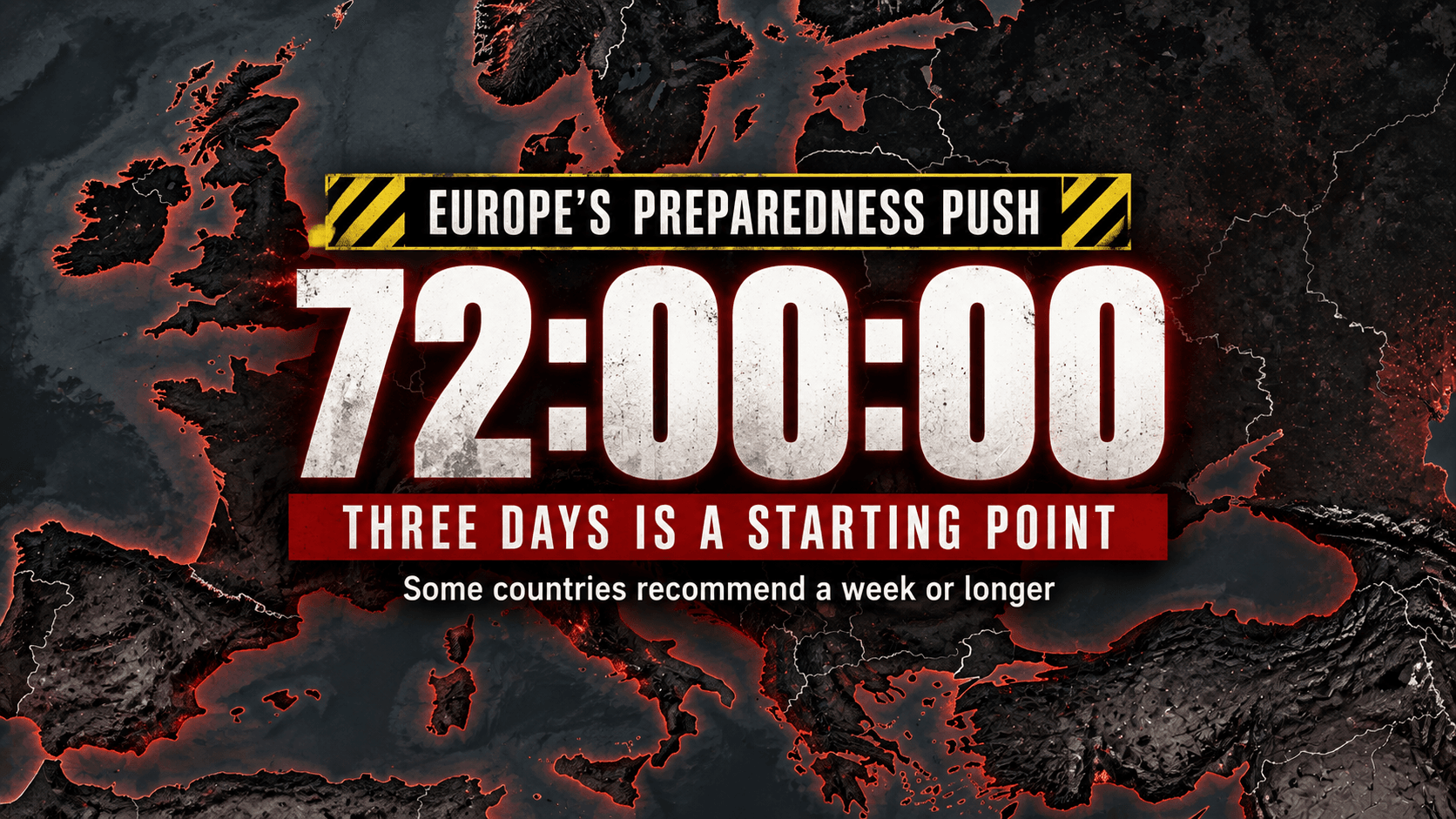
What Europe's 72-Hour Preparedness Advice Actually Means
A cupboard full of tins is less useful if nobody can find the opener. That small gap captures the point of household preparedness: making ordinary life workable when familiar services stop working. The UK's and Belgium's are useful reasons to check those gaps. Neither announcement establishes th...
Oct 30, 2026
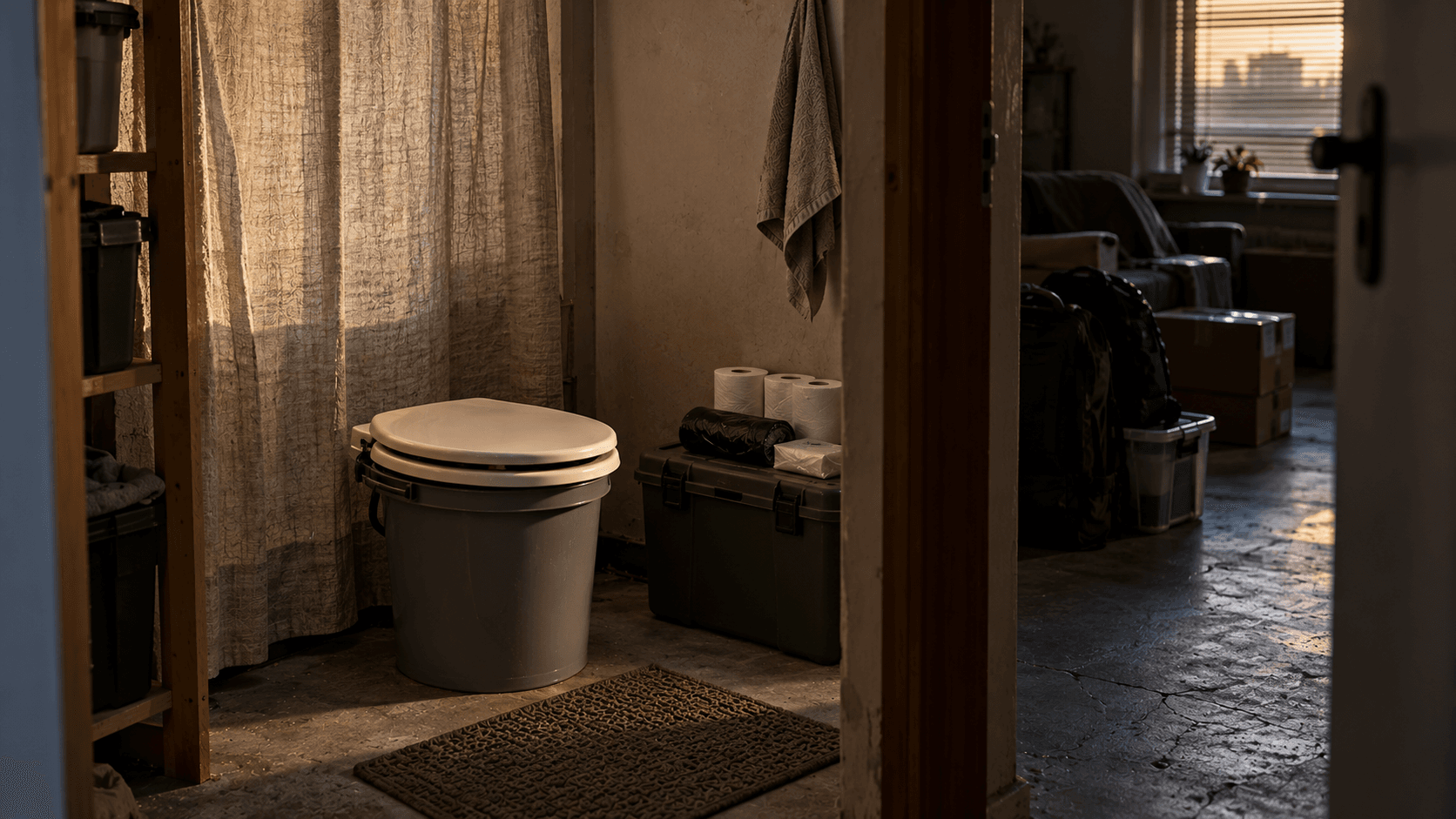
What to Do When You Cannot Flush the Toilet
A blocked toilet, an interrupted water supply and an unusable sewer need different responses. Before adding water, check what has failed. Then arrange a usable toilet, handwashing and secure waste holding. One toilet appears clogged: Stop re-flushing it. With normal water supply and unaffected drai...
Oct 24, 2026
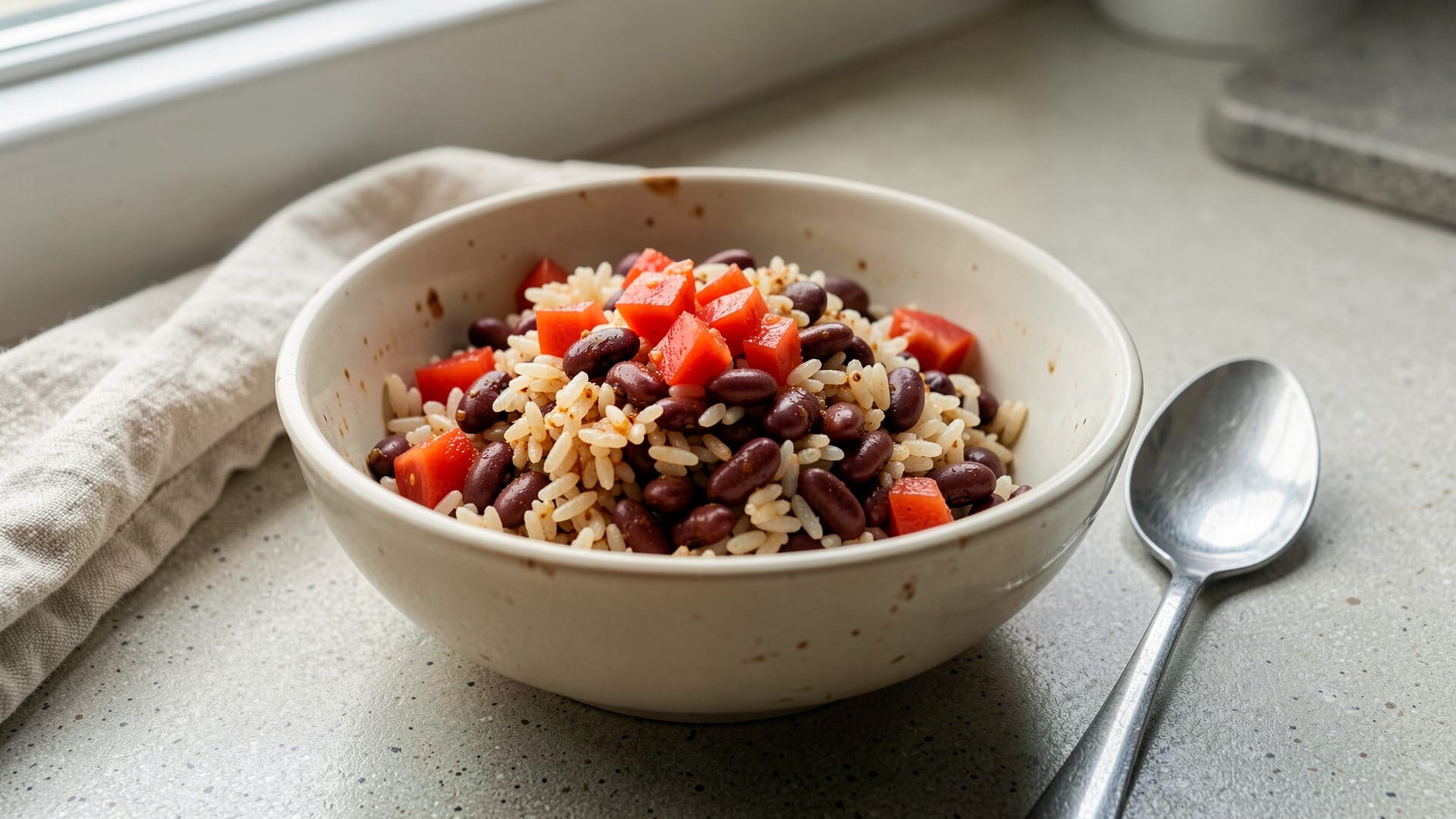
A Seven-Day Pantry Meal Plan for Two Adults
A shelf of ingredients is easier to use when each can has a meal attached. This seven-day pantry meal plan covers two adults' breakfasts, lunches, dinners and daily snacks. Eat the sequence or spread meals across ordinary weeks. These are illustrative portions, not tested recipes or a verified calor...
Oct 23, 2026
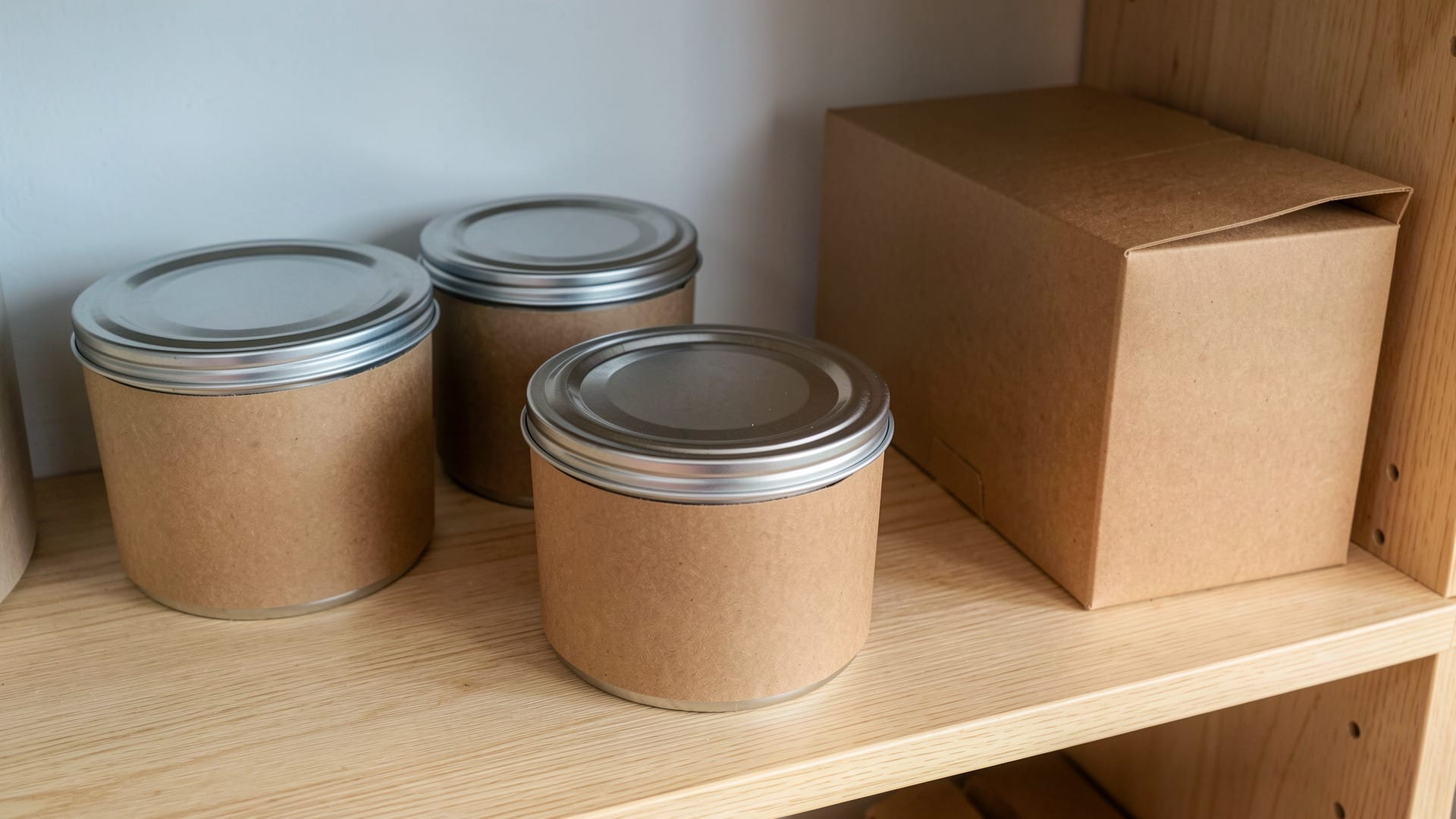
How to Rotate Emergency Food Without Wasting It
An emergency food shelf can look full while the food you actually use is running low. New cans go in front, older packets disappear behind them, and the shopping list says "beans" without saying how many are already there. A working reserve makes those same familiar foods part of ordinary cooking. T...
Oct 22, 2026
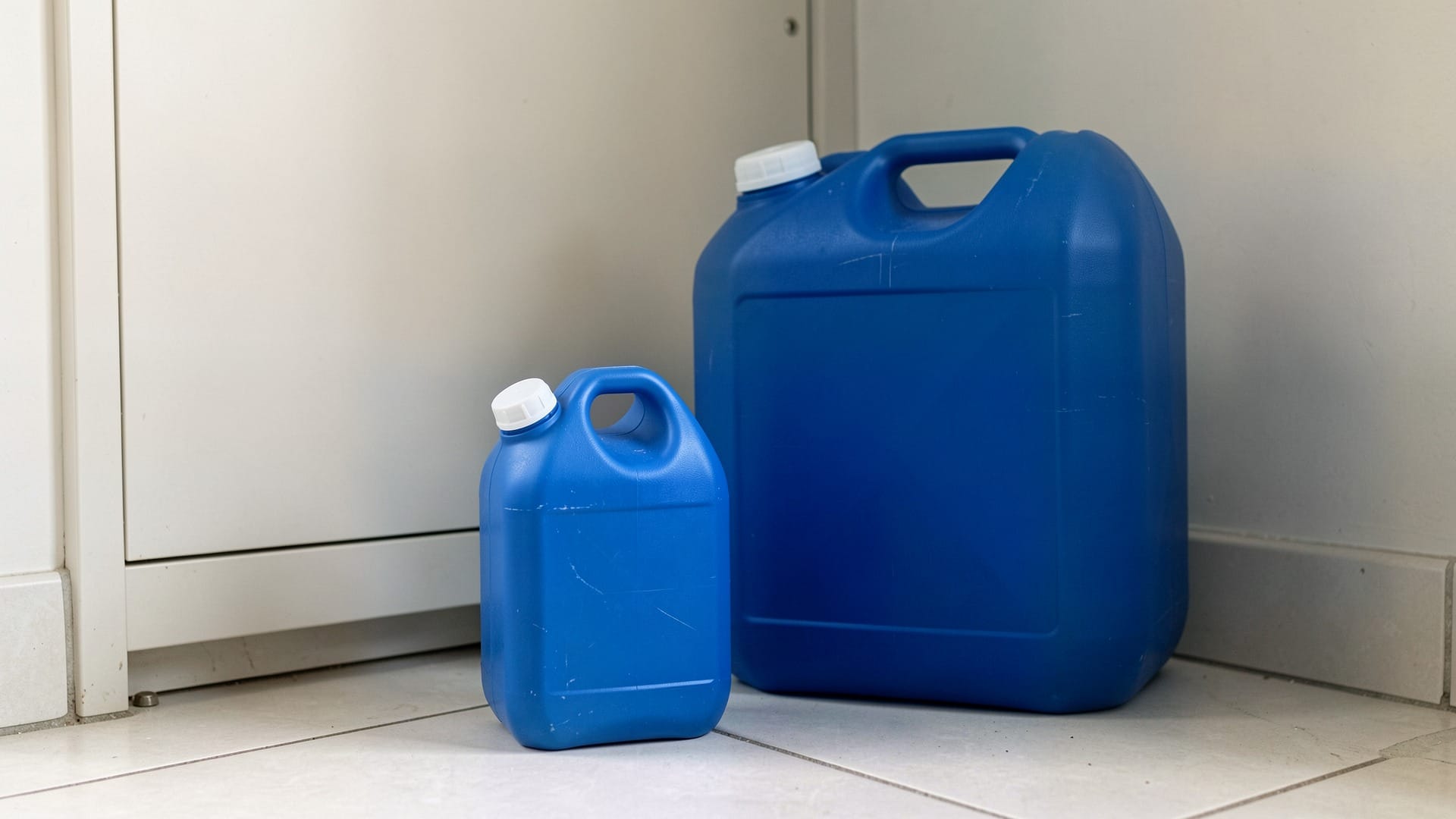
Should You Choose 5 or 7 Gallon Emergency Water Containers?
A seven-gallon (26.5-liter) jug holds about 58.4 pounds (26.5 kilograms) of water before you count the jug. Five gallons (18.9 liters) reduces that to 41.7 pounds (18.9 kilograms). Neither size becomes easy to use just because it has a handle. Compare how each size divides the same reserve and wheth...
Oct 21, 2026