
Collapse & conflict
Bug In vs Bug Out: When to Stay Home and When to Leave
A power cut does not automatically mean you should leave home. A stocked cupboard does not make it safe to stay when the building is threatened. The useful q...
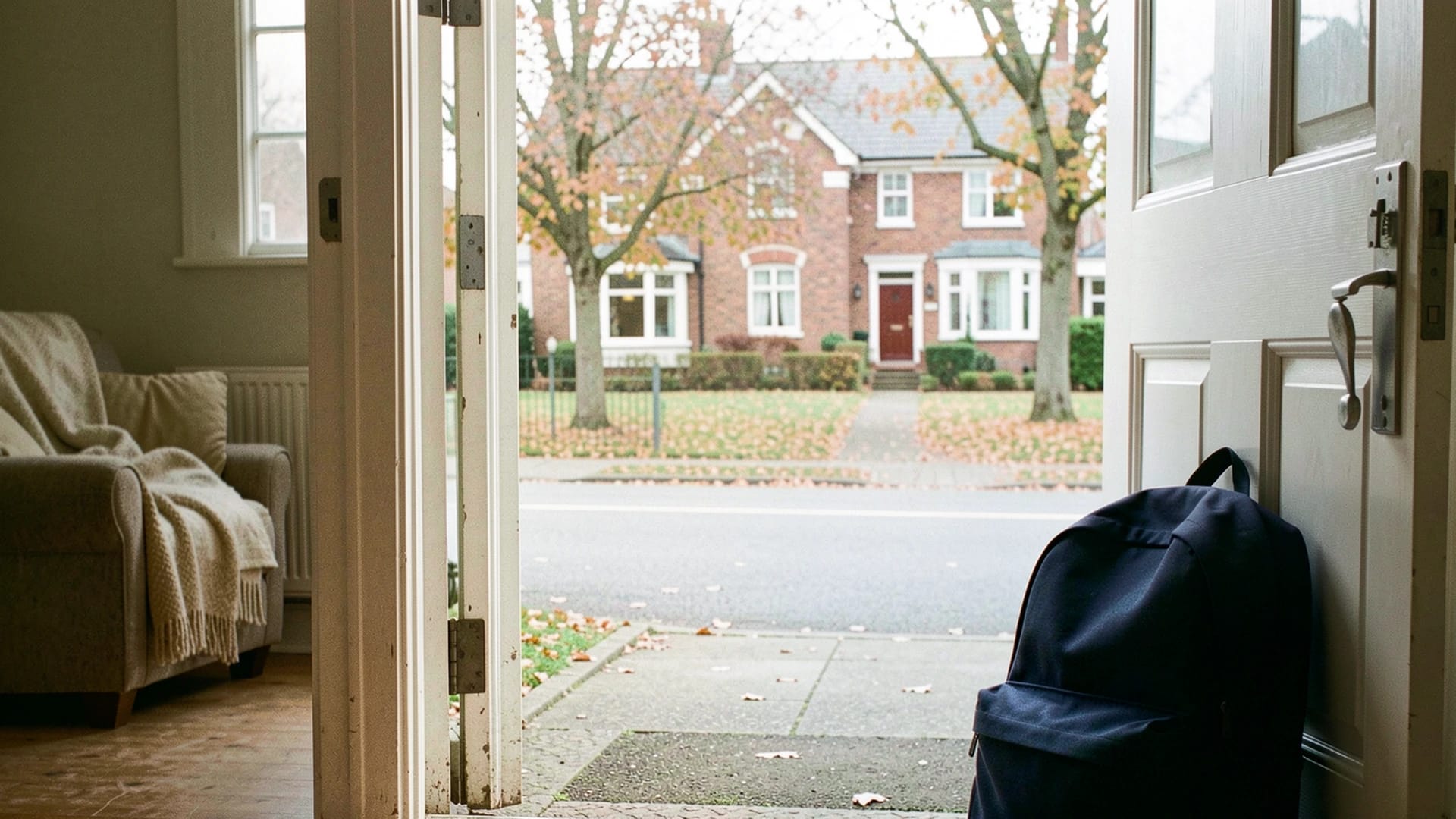
Quick answer
Bugging in means staying home; bugging out means leaving for a safer place. They are informal terms, not official instructions. Prepare for both, follow local protective directions and account for everyone’s care needs. Leave promptly when ordered, and escape immediate danger without delaying to pack. Shelter-in-place may instead require protection where you are.
A power cut does not automatically mean you should leave home. A stocked cupboard does not make it safe to stay when the building is threatened. The useful question behind “bug in or bug out?” is simpler: where can your household get appropriate protection from this particular emergency?
What bug in and bug out actually mean
Bugging in is an informal preparedness term for staying at home and using the resources there. It is not an official protective instruction.
Bugging out informally means leaving because another location offers better protection. In ordinary emergency planning, think evacuation or temporary relocation, not disappearing into the woods. A relative’s home or an announced public shelter may be more suitable than a remote campsite.
Shelter-in-place is different from simply choosing a quiet evening at home. It means taking protection where you are, with actions suited to the hazard. That could be at work or in another building. Ready.gov’s shelter guidance emphasizes staying informed and following local instructions. Sealing a room is not a routine step for every emergency, and no single room is safest for every hazard.
Prepare the same household for two settings
Home usually offers more space, familiar surroundings and stored resources. Leaving can put distance between you and a threat, but adds travel, access and accommodation problems. Neither option removes the need for water, food, medicines, communication and care.
A usable place to stay
At home: Consider whether the building and the space you can use remain safe. Think about temperature, drinking water, sanitation and access for everyone in the household. Stored supplies cannot fix an unsafe structure or override an evacuation order.
Away: Identify more than one realistic place to go. Check whether each is outside the likely affected area, reachable and suitable for the people coming. Confirm arrangements with hosts; check current announcements for public shelters. Do not assume every shelter has the power, accessibility or care support you need. Ready.gov’s evacuation guidance covers destinations, transport and recommended routes.
Daily essentials and communication
At home: Keep familiar food, drinking water, lighting and ways to receive official alerts accessible. Know how you would manage without normal cooking, phone charging or bathroom arrangements.
Away: Have portable essentials you can actually carry, including necessary documents and contact information. Record destination details and official information channels on paper. Our local emergency map guide explains how to organize useful places and navigation information before your phone goes offline.
Medicines, equipment and accessibility
At home: Discuss emergency medicine supplies, storage needs and electricity-dependent equipment with your pharmacist or health care provider. Establish what your household’s actual backup arrangements can support rather than guessing from an outage estimate.
Away: Plan accessible transport, assistance with transfers, communication needs and equipment transport. Check whether a destination can support essential equipment or treatment. Ready.gov’s disability planning guidance recommends arranging accessible transportation and discussing medical-device power needs with a provider. Do not assume registration for assistance guarantees a pickup.
Children, pets and people who need help
At home: Identify who checks on dependents and who can help if the usual caregiver is elsewhere. Include communication or sensory supports that make instructions understandable.
Away: Assign helpers and plan how everyone, including pets, will travel. Check animal policies at possible destinations and distinguish pet arrangements from service-animal access. Ready.gov’s pet guidance recommends planning a safe place for pets and having both home and portable supplies. Do not assume animals can be left behind until you return.
How the same emergency can change the answer
One outage, different household needs. A household in an undamaged home with tolerable temperatures and usable essentials may be able to stay. The same outage can create a relocation need when essential equipment cannot keep running or indoor conditions become unsafe. Ready.gov’s power outage guidance calls for medical-power planning and using community locations with power in extreme heat or cold. Check that a location is open, reachable safely and suitable before relying on it.
One alert, a different protective action. Leaving is not always the safer response to a hazard outdoors. For example, Ready.gov’s radiation guidance says to get inside, stay inside and stay tuned. Follow the instructions for the incident, including any later evacuation directions. Do not turn one hazard’s sheltering instructions into a universal rule.
One departure plan, different practical limits. A household with available transport may be able to move promptly. Another may need an accessible vehicle, a helper or equipment arrangements. That means more planning before trouble develops, not a reason to leave someone behind. Work out suitable timing with providers and local officials where relevant, taking account of the hazard and any shelter instruction.
A short stay-or-leave check
Use these questions to organize your planning, not as a test you must finish during immediate danger:
What is happening here? Check local emergency instructions for your location, not just a regional headline. Follow evacuation orders promptly; do not wait for a preferred deadline.
Can this location still protect everyone? Consider the building, essential care and safe living conditions, not just the amount of food stored.
For a planned move, what suitable place and transport are available? Check current instructions and recommended routes. An old plan does not prove a road or destination is usable today.
What would change the plan? Name the official update or household need that requires reassessment. There is no universal number of hours to stay or wait before leaving.
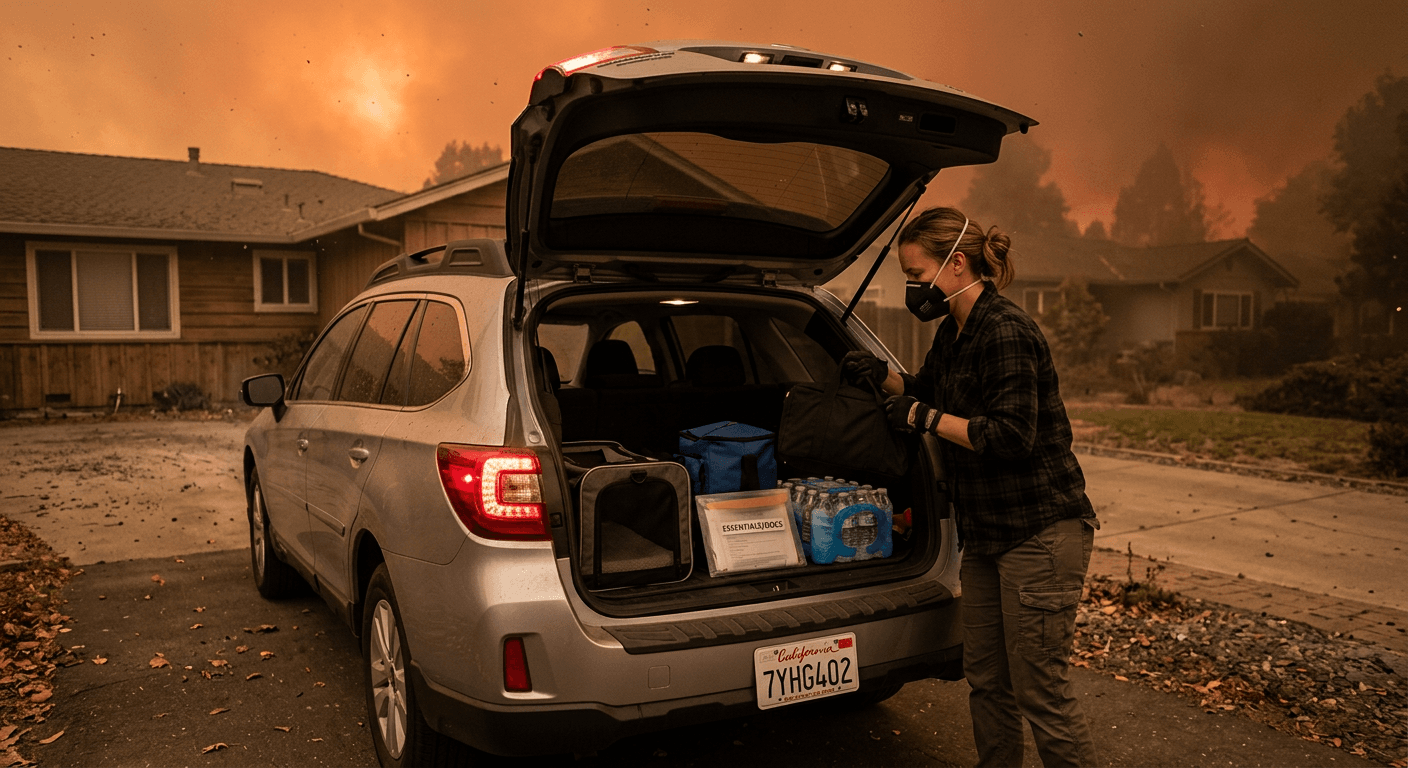
Immediate danger takes priority over finishing these questions or packing. If the building is burning, escape to safety and call emergency services; do not wait to confirm an overnight destination. Do not wait for an order when an immediate threat requires escape. If you cannot move safely, seek emergency help and follow hazard-specific protective instructions rather than forcing travel through danger.
For the practical details once evacuation is appropriate, use our city evacuation plan and checklist.
Common mistakes to avoid
Choosing an identity instead of an action. “We always stay” and “we always leave” both ignore changing hazards.
Treating a bag as the whole plan. Transport, help and somewhere suitable to stay matter as much as what you carry.
Waiting to finish preparations. Do not delay an urgent departure to collect possessions or protect property.
Assuming a backup is guaranteed. A friend may be away, a shelter unavailable or assistance delayed. Prepare alternatives and confirm current conditions.
Put both options on one household page
Write down your official alert sources, a shared contact and the needs that could make home unsuitable. Add possible destinations, transport and helper arrangements, plus who assists each dependent or pet. Keep a copy accessible to the people involved.
Talk through one stay-home scenario and one departure scenario together. Check that everyone knows their role and can find the essentials. Fix gaps in help, access and accommodation before adding more equipment.
Editorial note
General household preparedness information based on U.S. official guidance. Local emergency instructions and individual care needs take priority. This overview does not establish current road, shelter or medical-service availability.
Article recap
- Staying home, sheltering in place and evacuating are different actions. Match the action to the hazard and local instructions.
- Prepare home essentials and portable essentials around the same household needs, not two unrelated shopping lists.
- Check accessible transport, medicines, powered equipment, helpers and pet arrangements before an emergency.
- A suitable destination matters for planned relocation. Immediate escape must not wait for packing or accommodation checks.
- No universal countdown decides when to leave. Reassess when instructions or household needs change.
Sources and further reading
- Ready.gov: Evacuation — accessed Aug 2026
- Ready.gov: Sheltering — Ready.gov, accessed May 2026
- People with Disabilities — accessed Oct 2026
- Prepare Your Pets for Disasters — accessed Oct 2026
- Radiation Emergencies — accessed Oct 2026
- Ready.gov: Power Outages — accessed Aug 2026
Read next


Questions readers askFrequently asked questions
No. Bugging in is an informal term for staying home. Shelter-in-place is a protective action suited to a specific hazard and may mean staying in a building other than your home. Follow the incident instructions.
No. Think of leaving for a suitable safer place, such as a confirmed host’s home or an announced shelter. Remote locations are not automatically safer or able to support your household.
No universal waiting period applies. Follow evacuation orders promptly and do not wait for an order to escape immediate danger. Hazard-specific shelter instructions can call for a different response.
Yes, if home cannot safely support essential needs, including medical equipment or safe temperatures. Plan with your health care provider where needed and check that the alternative location is open, safely reachable and suitable.
Arrange helpers, accessible transport and a suitable destination before an emergency. Discuss equipment and treatment needs with the relevant providers. Check local assistance options, but do not assume a registration guarantees transport or rescue.
Comments
Leave a comment
No comments yet. Be the first to comment!