Power outages
Cyber Outage Survival for 72 Hours
A cyber outage rarely looks dramatic. It looks like normal life breaking in small, frustrating ways. Card payments fail. ATMs are offline. Gas stations canno...
Quick answer
For Cyber Outage Survival for 72 Hours, stabilize lighting, communication, temperature, food safety, and carbon monoxide safety before worrying about comfort or convenience. Follow manufacturer instructions, keep combustion devices outdoors, and treat carbon monoxide risk seriously.
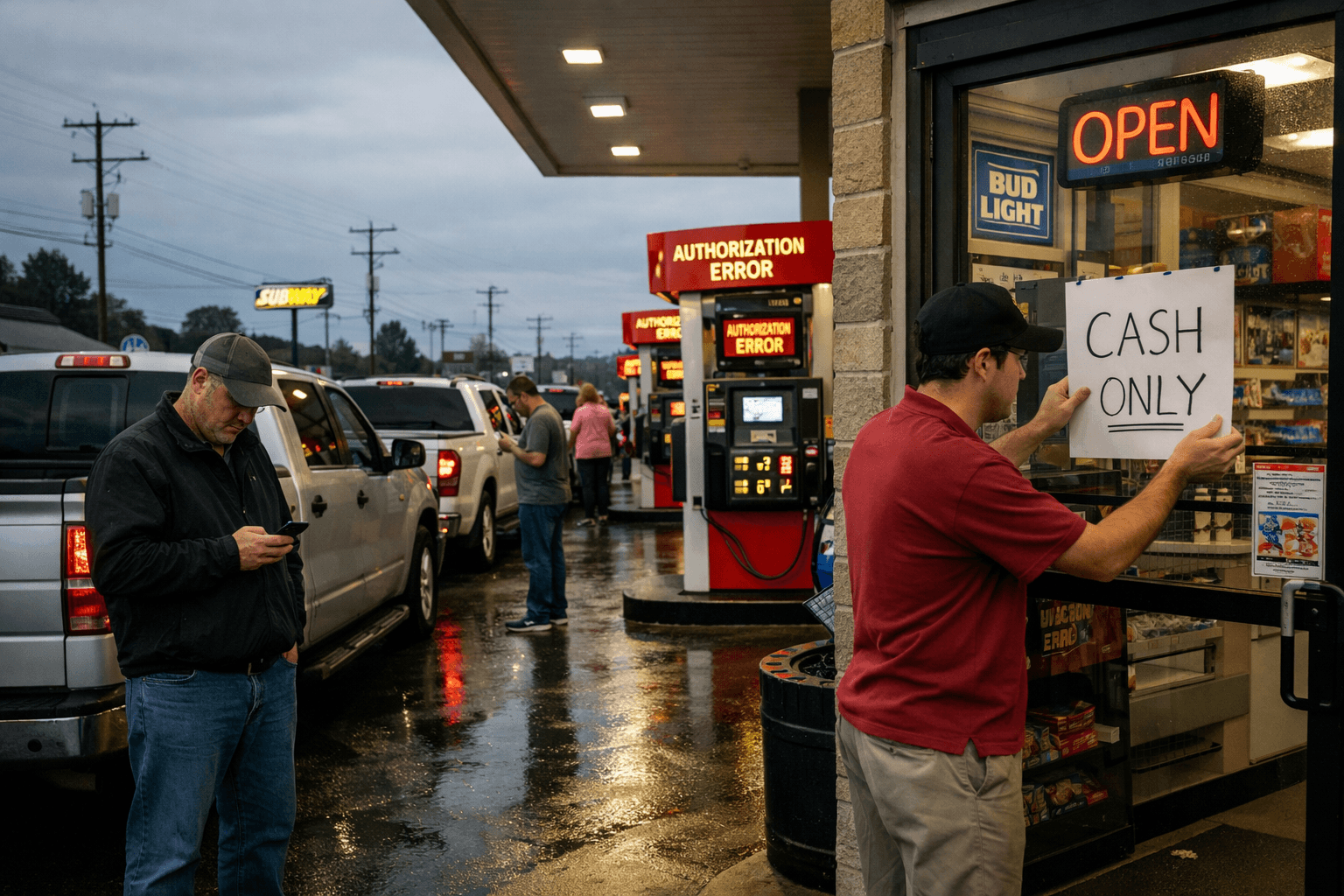
A cyber outage rarely looks dramatic. It looks like normal life breaking in small, frustrating ways. Card payments fail. ATMs are offline. Gas stations cannot authorize pumps. Mobile networks work but apps time out. Customer support lines are useless. Then you realize it is not your phone or your bank. It is a wider system issue.
For a prepper, the advantage is not hacking knowledge. The advantage is being able to function when digital trust collapses. The goal for the first 72 hours is simple: keep your family fed, warm, informed, and able to move, without depending on online systems.
A cyber outage can quickly turn into an ordinary household logistics problem: dead phones, payment trouble, poor information, and possibly a local power outage. If you have not already done it, build a practical power outage kit for home so the basic supplies are ready before digital systems start failing.
What usually fails first
Most cyber outages hit the same pressure points: payments, identity and access, communications congestion, and supply chain coordination. Even when power stays on, digital services can degrade hard because too many systems depend on each other. You might still have signal, but not reliable service. You might still have money, but not a working way to spend it.
The first hour checklist
Your first hour is about clarity and minimizing waste.
Use one device to confirm what is happening, then stop doom scrolling. Save battery and attention. Switch to a simple household rule: essential communications only, and check updates on a schedule.
If you need to make purchases, do it early. When payment networks wobble, lines form fast and shelves thin out. Decide what you must top up to cover three days: water, easy food, baby supplies, pet needs, and any critical meds.
Payments when cards fail
Assume you will need to operate in a cash first world for a few days.
Keep a small cash buffer at home, not in a bank account you cannot access. During an outage, small bills matter more than big ones. Merchants often cannot break large notes and may limit sales.
If you have to choose between buying extra gear and buying a small cash buffer, cash usually wins for short disruptions. It buys you food, transport, and options when systems are unstable.
Communication without the cloud
Cyber events create information fog. Rumors spread faster than facts, and network congestion makes normal messaging unreliable.
Pick a family comms plan that works even when apps do not. Use SMS for short updates because it often survives congestion better than rich messaging. Set check in windows instead of constant texting so you do not drain batteries and create anxiety. If you are coordinating with relatives, agree on one simple format: location, status, next action, next check in time.
If you have radios, this is where they shine. Not as a hobby, as a fallback channel when towers are overloaded or services are degraded.
Movement and fuel
In cyber disruptions, fuel is a common choke point because pumps and payment authorization depend on networks. Do not wait until your tank is low.
Keep a habit of never dropping below a practical minimum, especially in winter. If you need to travel during an outage, plan shorter hops and assume some stations are unusable even if they have fuel. If you are bugging in, reduce unnecessary trips early and save fuel for a real need.
Home operations for 72 hours
Treat it like a short logistics interruption.
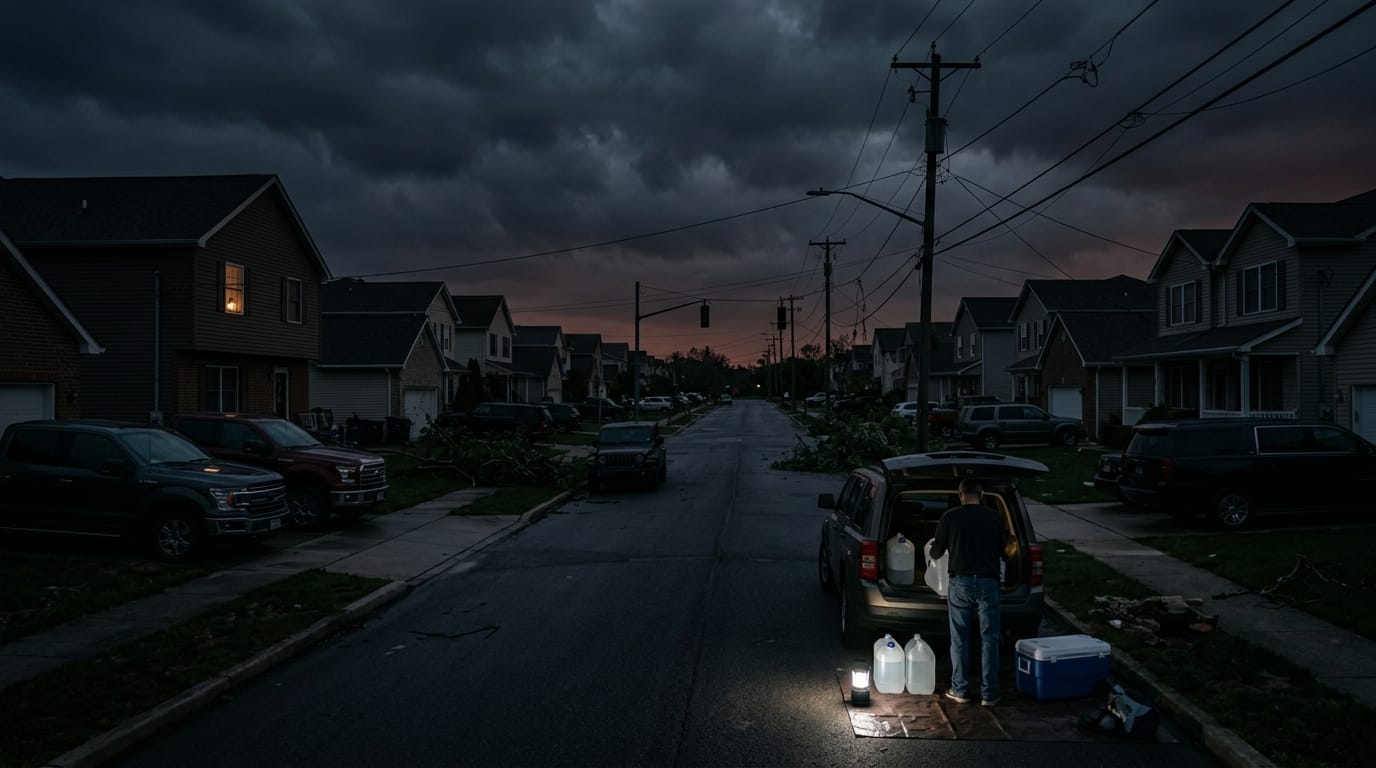
Eat what spoils first, then move to pantry food. Keep cooking simple and avoid wasting fuel and water. If your utilities are normal, do not assume they will remain normal. Fill a few containers with water early because it costs almost nothing and buys comfort if anything else cascades.
Power discipline matters even if the grid is up. Your phone is your radio, map, camera, and flashlight. Use low power mode early and keep a power bank for charging windows, not continuous use.
Personal security and scams
Cyber outages trigger a second wave: fraud. Attackers exploit confusion with fake support calls, fake bank messages, fake delivery updates, fake account lock alerts.
Two rules keep you safe. First, do not click links from inbound messages about money, accounts, or identity. Second, you initiate contact using a trusted number you already have, not the one in the message or call. During outages, urgency is the scam.
The prepper advantage
Most people lose time because their routine assumes a working digital layer. You win by having analog backups for the basics: cash, offline information, a simple comms plan, and the ability to live for three days without apps, cards, or constant updates.
You do not need to predict the exact incident. You just need to stop being dependent on fragile systems when they are under stress.
Editorial note
This refresh adds review cues and source links while keeping the article practical and non-alarmist. Follow manufacturer instructions, keep combustion devices outdoors, and treat carbon monoxide risk seriously.
Article recap
- Prioritize light, communication, temperature, and food safety.
- Never run generators or fuel-burning devices indoors.
- Plan for outages before batteries, fuel, and supplies are scarce.
Sources and further reading
- Ready.gov: Power Outages — accessed Aug 2026
- CDC: Carbon Monoxide Poisoning — accessed Aug 2026
- Ready.gov: Build a Kit — Ready.gov, accessed Aug 2026
Read next

Questions readers askFrequently asked questions
Start with immediate safety, then verify the situation through official or high-credibility sources. After that, work through water, food, medications, communication, shelter, documents, and any local instructions that apply to your area.
Follow manufacturer instructions, keep combustion devices outdoors, and treat carbon monoxide risk seriously. If there is immediate danger, serious illness, unsafe water or food, fire, carbon monoxide, evacuation orders, or uncertainty you cannot resolve, treat that as a reason to get official or professional help rather than improvising.
Comments
Leave a comment
No comments yet. Be the first to comment!