
Collapse & conflict
How to Prepare for an Emergency Curfew
A shift finishes late, a parent needs help across town, or a prescription is ready after curfew begins. Extra supplies alone do not solve those problems. Pla...

Quick answer
Read the current official order for your area, hours, covered travel and exact exceptions. Arrange essential care and dependent handoffs, then check each necessary trip, its documentation, destination and return transport. Agree on a suitable backup stay. An open business or work ID does not establish travel permission.
A shift finishes late, a parent needs help across town, or a prescription is ready after curfew begins. Extra supplies alone do not solve those problems. Plan for essential care, check the local order and arrange a fallback if someone cannot get home.
Copy the blanks onto paper or a private saved note. This is not a permit. In immediate danger or a medical emergency, seek help instead of finishing the sheet.
1. Separate the curfew from other emergency instructions
A curfew restricts the people, activities or movement specified in its order, within stated places and times. An evacuation instruction directs people away from a hazard area. Shelter-in-place means taking hazard-appropriate protection where you are, which may be at work rather than home. Ready.gov's shelter guidance emphasizes following local instructions for the emergency.
A civilian curfew is not automatically martial law. The Congressional Constitution Annotated, reproduced by Cornell LII, discusses martial rule as a substitute for civil authority, a different concept.
Read any evacuation, shelter or reentry instructions alongside the curfew. Do not treat the curfew as an instruction to remain in an unsafe building. Our stay-home or leave guide covers that separate safety decision; this sheet focuses on access restrictions.
2. Fill in the local-order reading sheet
Find the issuing government's original order, not a cropped screenshot. Save it and amendments offline. Ask the issuer's clarification or non-emergency contact about unclear wording; do not borrow another place's rules.
Issuing authority and original official URL: ____
Order title/number, version and publication or update time: ____
My address, municipality/county and affected boundary or map: ____
Effective date; daily start/end hours; local time zone: ____
Expiration or review time; where amendments or cancellation appear: ____
People, places, activities and travel modes covered: ____
Exact exception relevant to my trip, or “not confirmed”: ____
Documents/pass required and issuer, or “none specified”: ____
Official clarification contact; question; response/reference; time checked: ____
Other evacuation, shelter, reentry or road instructions: ____
Check both sides of midnight and each area a planned journey crosses. Record the restriction's dates, not just the emergency declaration's duration. The expired Portland order for June 1-2, 2020 had a nighttime curfew ending before the underlying emergency declaration ended. Its listed exceptions were local historical terms, not permission to travel today.
Keep a private copy. An unanswered question is unresolved, not permission.
3. Arrange care and dependent handoffs before access is disrupted
Ready.gov recommends planning for prescriptions, equipment, support networks and accessible transport. List essential care tasks that fall during restricted hours.
Ask your pharmacist or health care provider about anticipated refill disruption and your individual medicine-storage plan. Keep an up-to-date medicine list and prescription copies privately accessible. Follow each medicine's labeled storage instructions and the plan agreed with your professional. Do not ration, change doses or improvise substitutions because travel is difficult. The FDA's disaster medicine guidance, archived September 7, 2026, supports this preparation; it does not establish refill eligibility or a curfew exception.
Ask the care team about suitable alternatives if a treatment facility, equipment power or transport fails. Confirm the alternative meets the person's needs.
Person/dependent and essential care task: ____
Provider/pharmacy contact; confirmed hours; time checked: ____
Refill, storage, equipment and treatment-continuity arrangements agreed with professional: ____
Primary caregiver or child collector; backup; consent/pickup authorization: ____
Accessible transport and destination support needed: ____
If the arrangement fails, whom we call and agreed alternative: ____
Check the school, childcare setting or care provider's own emergency plan. Permission to collect a child and permission to make the journey are separate questions. Arrange who stays responsible if the usual caregiver is delayed, including care for pets or service animals.
4. Check every essential journey and its return leg
A job title, work ID, employer letter, care responsibility or flight booking is not universal clearance. Find the applicable exception in the current order and verify any required credential process with the issuing authority. An employer cannot create an exception to the order.
Portland's historical 2020 curfew FAQ explained that businesses were not required to close, while ordinary customers were not supposed to travel to them during curfew. That expired guidance is not your local rule: check both opening hours and travel permission.
Copy this block for each necessary trip:
Person; purpose; origin/destination; outward and return dates/times: ____
Applicable order(s), exact exception clause and official clarification/time: ____
Required documents/pass and where carried; optional supporting details kept separately: ____
Destination able to meet the need; confirmed with whom and when: ____
Driver, transit or paratransit; outward pickup and return service confirmed: ____
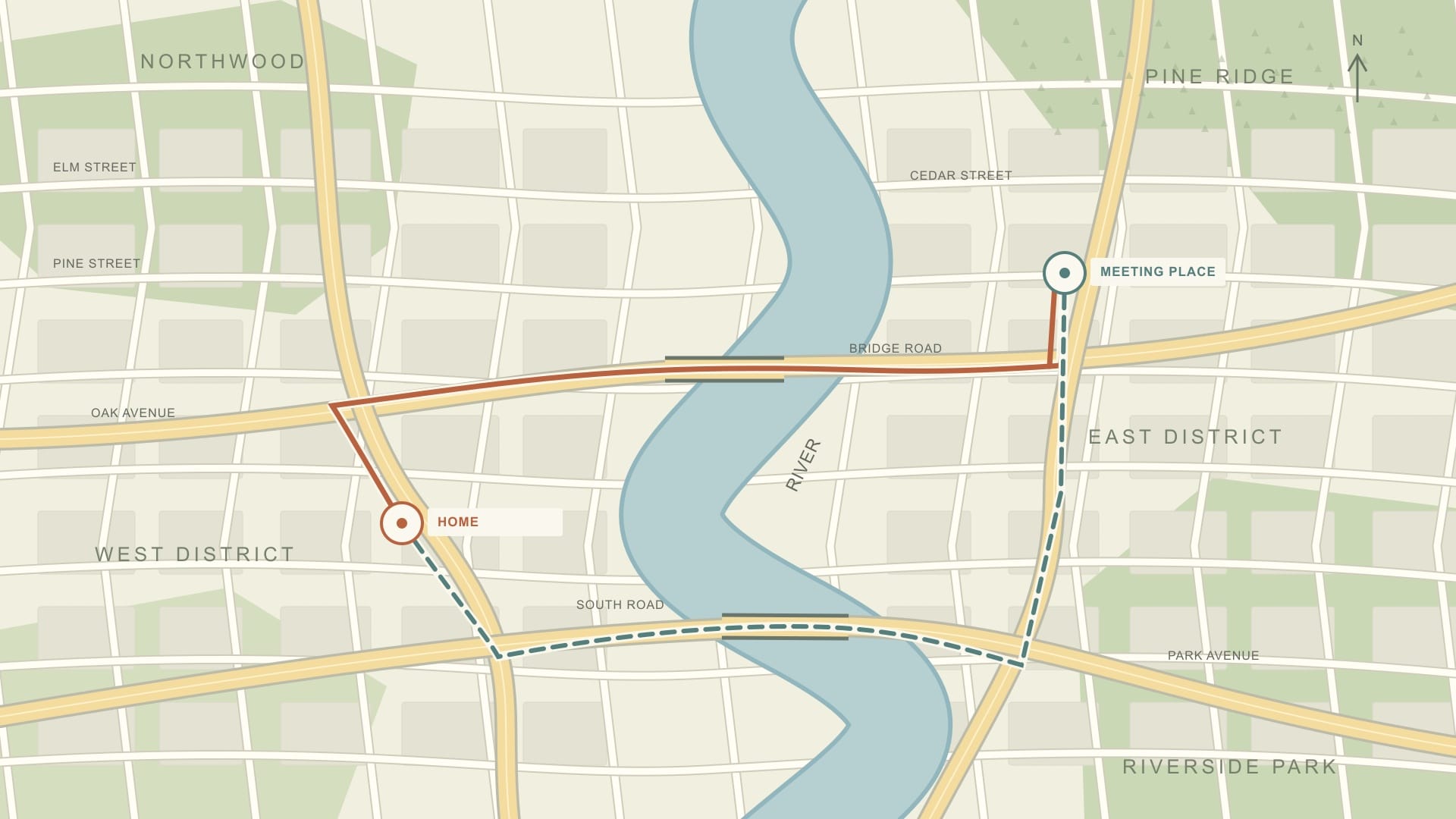
Backup transport and suitable place to stay if return fails: ____
If permission or service is unresolved, non-urgent alternative and contact: ____
For a night shift, check whether the actual work journey is covered, what proof is required and how the person gets back after transit stops. A work letter is not automatically a permit.
For a routine caregiver visit, verify the relevant clause and arrange a handoff with a backup person who can lawfully and safely provide care. For a pharmacy collection, confirm the medicine is available, collection arrangements and transport as well as the travel rule. Ask the pharmacist about alternatives if the ordinary trip cannot happen; do not postpone urgent medical needs while seeking routine permission.
Record addresses with your local emergency map. Neither a map nor documentation proves a route is currently open or safe. Do not bypass closures.
5. Make a no-return plan that supports the household
Do not assume “going home” is itself an exception. Before a planned trip, agree where the traveler could safely stay if restrictions, hazards or canceled transport prevent return. Confirm with a host, or check current official information for an announced shelter. A public building is not automatically open lodging.
First agreed destination, address, contact and confirmation: ____
Accessibility, medicines/equipment, caregiver, child and animal needs supported: ____
Person responsible for each dependent/pet while I am away: ____
Household/out-of-area contact; check-in method and time: ____
Second suitable option if the first fails; official update source: ____
Ready.gov recommends alternative destinations and checking current shelter options. This does not make every curfew an evacuation. Credentials do not guarantee safe access or transport home.
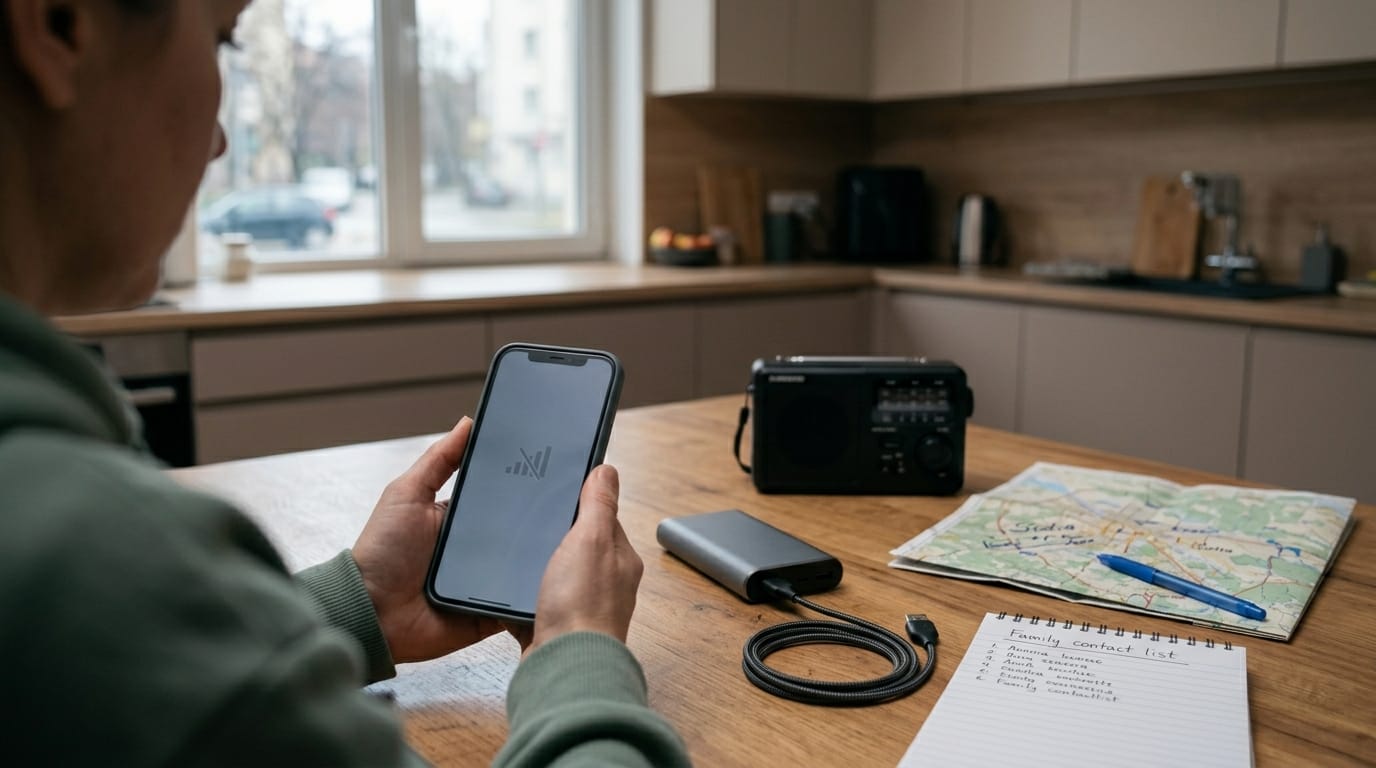
Share the plan and paper contacts; agree what to do if messages fail. Our cell-service outage guide covers communication backups. No channel is guaranteed.
6. Recheck before relying on the plan
After an amendment, revisit the clause, hours, credentials and area. Recheck service hours, transport and handoffs when circumstances change. Keep version and verification times visible.
Before a non-urgent trip, check permission, service availability, transport both ways and the fallback. Resolve gaps with the relevant authority or provider instead of assuming it will work.
Share private identity, medical and access details only as needed. For an immediate medical emergency, call local emergency medical services, such as 911 in the United States, and follow dispatcher instructions. Do not wait for routine travel clarification, and do not assume a particular response or transport is guaranteed.
Editorial note
General U.S.-oriented preparedness, not legal or medical advice. The actual current order for your location and your individual care plan control. Portland examples are historical and expired. FDA medicine guidance is cited from its September 7, 2026 archive, not a live-page review.
Article recap
- Read the current local order: its area, hours, exceptions and amendments control your planning.
- Plan prescribed care, dependent handoffs and accessible transport, not just extra supplies.
- Check travel permission, service availability and the return journey separately.
- Agree on a suitable backup stay and who supports dependents if someone cannot get home.
Sources and further reading
- City of Portland: Expired June 1-2, 2020 Curfew Order
- City of Portland: Historical 2020 Temporary Curfew FAQ
- Ready.gov: Make a Plan
- Ready.gov: Shelter
- Congressional Constitution Annotated via Cornell LII: Martial Law Generally
- Ready.gov: People with Disabilities
- FDA: Safe Drug Use After a Natural Disaster (archived September 7, 2026)
- FEMA / Ready.gov: Create Your Family Emergency Communication Plan (July 2015)
- Ready.gov: Evacuation
Read next
Questions readers askFrequently asked questions
Not automatically. Check the current order's work-travel exception and any official credential requirements. Ask the issuing authority about unclear terms. Employer paperwork cannot create an exception, and it does not confirm a safe route or transport home.
Do not assume either activity is exempt. Check the exact local order, confirm pharmacy or care availability and transport, and arrange a backup with the pharmacist, provider or caregiver. Keep routine planning separate from urgent medical help; do not improvise medicine changes.
Call local emergency medical services immediately, such as 911 in the United States, and follow dispatcher instructions. Do not wait for routine travel permission. Give your location and describe the emergency. A particular response time or transport is not guaranteed.
Returning home is not a universal exception. Check current official instructions and use a suitable confirmed backup stay if safely and lawfully reachable. Tell your trusted household contact and activate dependent-care arrangements. Do not bypass closures. In immediate danger, seek emergency help rather than completing the plan.
Comments
Leave a comment
No comments yet. Be the first to comment!