
Collapse & conflict
What the Process of Collapse Truly Entails
Societal collapse is often perceived as a cataclysmic event, a sudden and dramatic downfall that leaves chaos in its wake. However, the reality is much more ...
Quick answer
Collapse is usually a process, not a single movie-style moment. Watch for compounding stress: weaker institutions, supply disruption, price shocks, public-health strain, unreliable infrastructure, and declining trust. The practical response is to strengthen household basics and local relationships before small failures stack into a larger crisis.
The Subtle Onset of Societal Collapse
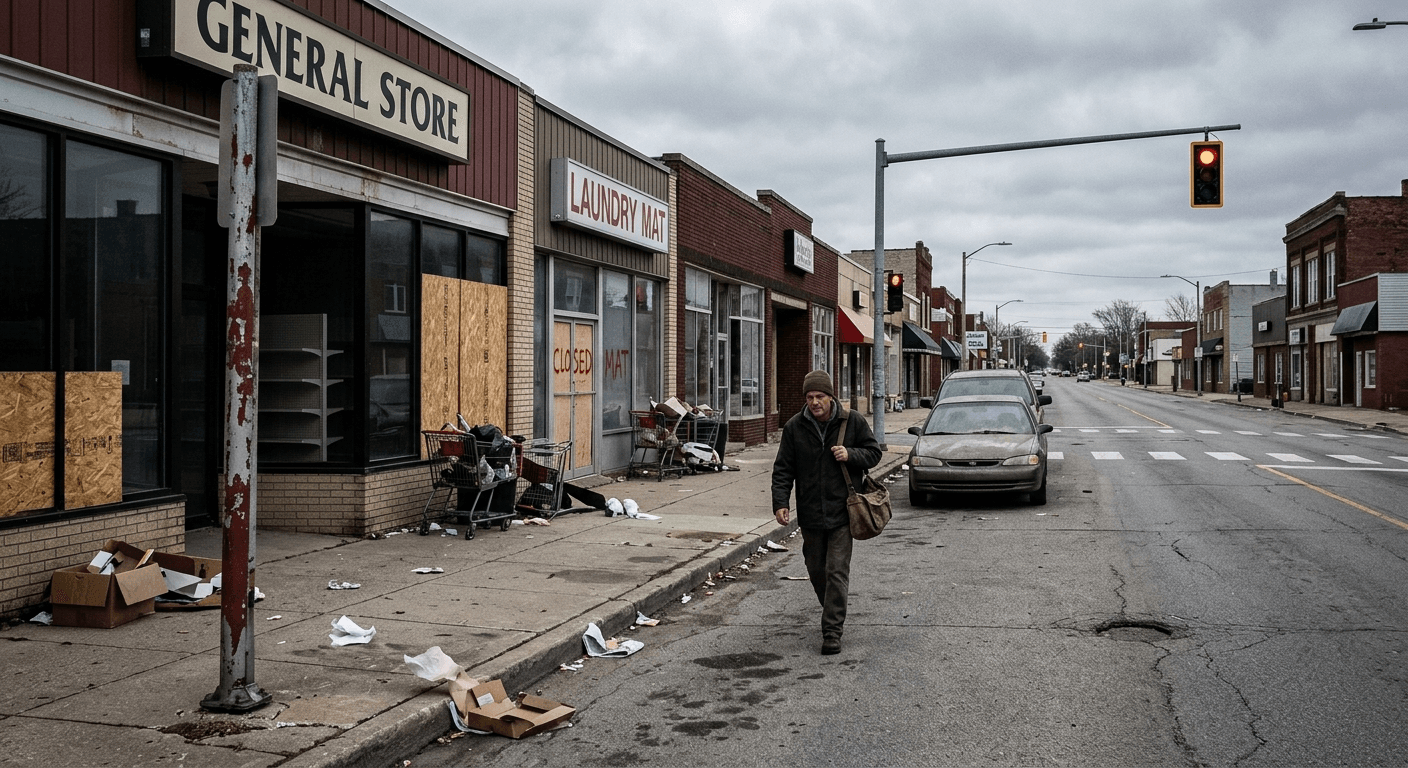
Societal collapse is often perceived as a cataclysmic event, a sudden and dramatic downfall that leaves chaos in its wake. However, the reality is much more nuanced. Collapse actually unfolds as a gradual process, marked by subtle signs that are frequently overlooked until they culminate in a crisis. Understanding these signs is crucial for preparedness, as it allows individuals and communities to respond proactively rather than reactively. The stakes are high; ignoring these signs can lead to unpreparedness in the face of dwindling resources, social unrest, and the breakdown of essential services.
One illustrative example of this gradual decline can be seen in the Roman Empire. The fall of Rome is often depicted as a swift collapse, but it was, in fact, a protracted process spanning centuries. Economic troubles, political corruption, and military defeats slowly eroded the empire's foundations, leading to its eventual downfall. This historical precedent underscores the importance of recognizing early warning signs to mitigate the impact of decline.
Drivers of Collapse: Complexity and Interdependence
Modern societies are characterized by their complexity and interdependence. This interconnectedness, while a strength, also makes them vulnerable to cascading failures. Economic instability, political corruption, and environmental degradation are key drivers that can initiate a slow decline. These factors often interact, exacerbating each other and accelerating the collapse process. Recognizing how these elements contribute to societal fragility is essential for understanding the broader picture.
Economic instability can manifest in various forms, such as inflation, unemployment, or a widening wealth gap. These economic pressures can lead to social unrest as people struggle to meet their basic needs. Political corruption further compounds these issues by eroding public trust and undermining the effectiveness of governance. When leaders prioritize personal gain over public welfare, it weakens institutions and exacerbates societal tensions.
Environmental degradation is another critical factor that can drive societal collapse. As natural resources become scarce and ecosystems are damaged, communities face increased competition for dwindling supplies. This can lead to conflicts and further strain already fragile systems. The Dust Bowl of the 1930s in the United States serves as a stark reminder of how environmental mismanagement can lead to widespread economic and social upheaval.
Recognizing the Signs: A Closer Look
Identifying the signs of collapse requires a keen eye for gradual changes in societal structures. These signs often manifest in the form of economic disparity, loss of public trust in institutions, and increasing civil unrest. As these issues intensify, they can lead to a breakdown in social cohesion and a rise in survivalist behaviors. Observing these trends can provide early warnings, allowing for timely interventions.
Economic disparity is a significant indicator of potential collapse. When wealth becomes concentrated in the hands of a few, it creates a divide that can destabilize societies. This disparity often leads to social unrest, as seen in the numerous protests and movements worldwide advocating for economic justice. The Occupy Wall Street movement, for example, highlighted the growing frustration with economic inequality and the perceived failure of institutions to address it.
The loss of public trust in institutions is another critical sign of societal decline. When citizens no longer believe in the efficacy or integrity of their government, it undermines social cohesion and can lead to increased civil unrest. The Watergate scandal in the United States is a historical example of how political corruption can erode trust and lead to significant societal consequences.
Constraints in Perception and Response
Despite the availability of indicators, psychological and cultural constraints often hinder recognition and response. Cognitive biases lead individuals to underestimate risks, while cultural narratives may downplay the severity of the situation. Additionally, political and economic interests can obscure the reality of decline, delaying necessary action. Overcoming these constraints requires a shift in mindset and a willingness to confront uncomfortable truths.
Cognitive biases, such as the optimism bias, can cause individuals to underestimate the likelihood of negative events. This bias leads people to believe that they are less likely to experience adverse outcomes than others, which can result in complacency. Cultural narratives, such as the belief in perpetual progress, can also contribute to a reluctance to acknowledge signs of decline. These narratives often emphasize growth and improvement, making it difficult to accept the possibility of collapse.
Political and economic interests can further complicate the recognition of societal decline. Leaders may downplay or dismiss warning signs to maintain power or protect economic interests. This can delay necessary interventions and exacerbate the decline. The response to climate change is a contemporary example of how political and economic interests can hinder action, despite clear scientific evidence of environmental degradation.
Navigating Options and Tradeoffs
Once the signs of collapse are recognized, the challenge lies in choosing the right course of action. Options range from strengthening community resilience to advocating for systemic change. Each choice comes with tradeoffs; focusing on local resilience might divert attention from broader policy changes, while systemic advocacy can be slow and uncertain. Balancing these approaches is key to effective preparedness.
Strengthening community resilience involves building local networks and resources that can withstand external shocks. This can include initiatives such as community gardens, local currencies, and cooperative businesses. These efforts can help communities become more self-sufficient and less reliant on vulnerable systems. However, focusing solely on local resilience may neglect the need for broader systemic changes that address the root causes of decline.
At the household level, that means turning big-picture concern into simple routines. The steps in the first 48 hours after society falls are a useful emergency baseline, while the first 100 days after society collapses helps stretch that thinking into longer disruption without jumping straight to panic.
Advocating for systemic change involves pushing for policy reforms and institutional accountability. This approach can address the underlying drivers of collapse, such as economic inequality and environmental degradation. However, systemic change is often slow and requires sustained effort and collaboration. Balancing local resilience efforts with systemic advocacy can create a more comprehensive approach to preparedness.
Recommendations for Proactive Preparedness
To effectively respond to the gradual process of collapse, individuals and communities should prioritize building local resilience. This includes fostering strong community networks, diversifying local economies, and investing in sustainable practices. Additionally, advocating for transparency and accountability in governance can help address systemic issues. By combining local action with broader advocacy, societies can better withstand the pressures of decline and emerge more resilient.
Fostering strong community networks involves creating spaces for collaboration and mutual support. This can include organizing community events, establishing local communication channels, and encouraging participation in local decision-making processes. Diversifying local economies can reduce reliance on external markets and create more stable economic conditions. This can involve supporting local businesses, promoting local production, and encouraging sustainable practices.
Investing in sustainable practices is crucial for long-term resilience. This can include initiatives such as renewable energy projects, sustainable agriculture, and conservation efforts. These practices can help communities reduce their environmental impact and build a more sustainable future. Additionally, advocating for transparency and accountability in governance can help ensure that institutions are responsive to the needs of their communities and are held accountable for their actions.
In conclusion, understanding the subtle signs of societal collapse is essential for proactive preparedness. By recognizing the drivers of collapse, identifying early warning signs, and navigating the options and tradeoffs, individuals and communities can respond effectively to the challenges of decline. Through a combination of local resilience efforts and systemic advocacy, societies can build a more resilient future and mitigate the impacts of collapse.
Editorial note
This refresh keeps the collapse framing calm and practical. It is meant to help readers spot stress patterns and prepare sensibly, not predict an exact failure timeline.
Article recap
- Gradual decline is easier to miss than sudden disaster, so track practical signals instead of rumors.
- Household resilience and community ties reduce exposure to cascading failures.
- Preparedness should stay grounded: water, food, communication, health needs, documents, and local decision-making matter first.
Sources and further reading
- Ready.gov: Make a Plan — Ready.gov, accessed May 2026
- Ready.gov: Build a Kit — Ready.gov, accessed Aug 2026
- FEMA: Community Preparedness — FEMA, accessed May 2026
Read next



Questions readers askFrequently asked questions
Useful warning signs are practical: unreliable services, rising costs, shortages, loss of institutional trust, worsening public safety, and repeated infrastructure failures. One sign alone is not collapse, but several reinforcing each other deserve attention.
Start with basics that help in many scenarios: water, food, medications, lighting, communication, cash, documents, and trusted local contacts. Avoid making extreme decisions based only on online panic.
Comments
Leave a comment
No comments yet. Be the first to comment!