
Water & food
Is Freeze-Dried Food Worth Buying for Your Emergency Pantry?
A bucket of freeze-dried meals can look like a finished emergency pantry. Before buying it, picture the first dinner you would make from it. Who will eat it?...
Quick answer
Freeze-dried food can be worth buying as a small supplement if the exact meal suits your household, you can prepare it safely and its convenience justifies the cost per meal actually eaten. Start with familiar ready-to-eat groceries, check labels and try one pouch on a normal day before buying more.
A bucket of freeze-dried meals can look like a finished emergency pantry. Before buying it, picture the first dinner you would make from it. Who will eat it? Where will the safe water come from? Can you prepare it without the electricity you may have lost?
Freeze-dried food can be a useful small reserve, not a required upgrade. Compare one meal with the familiar dinner it would replace before paying for its convenience.
Compare foods by the job they do
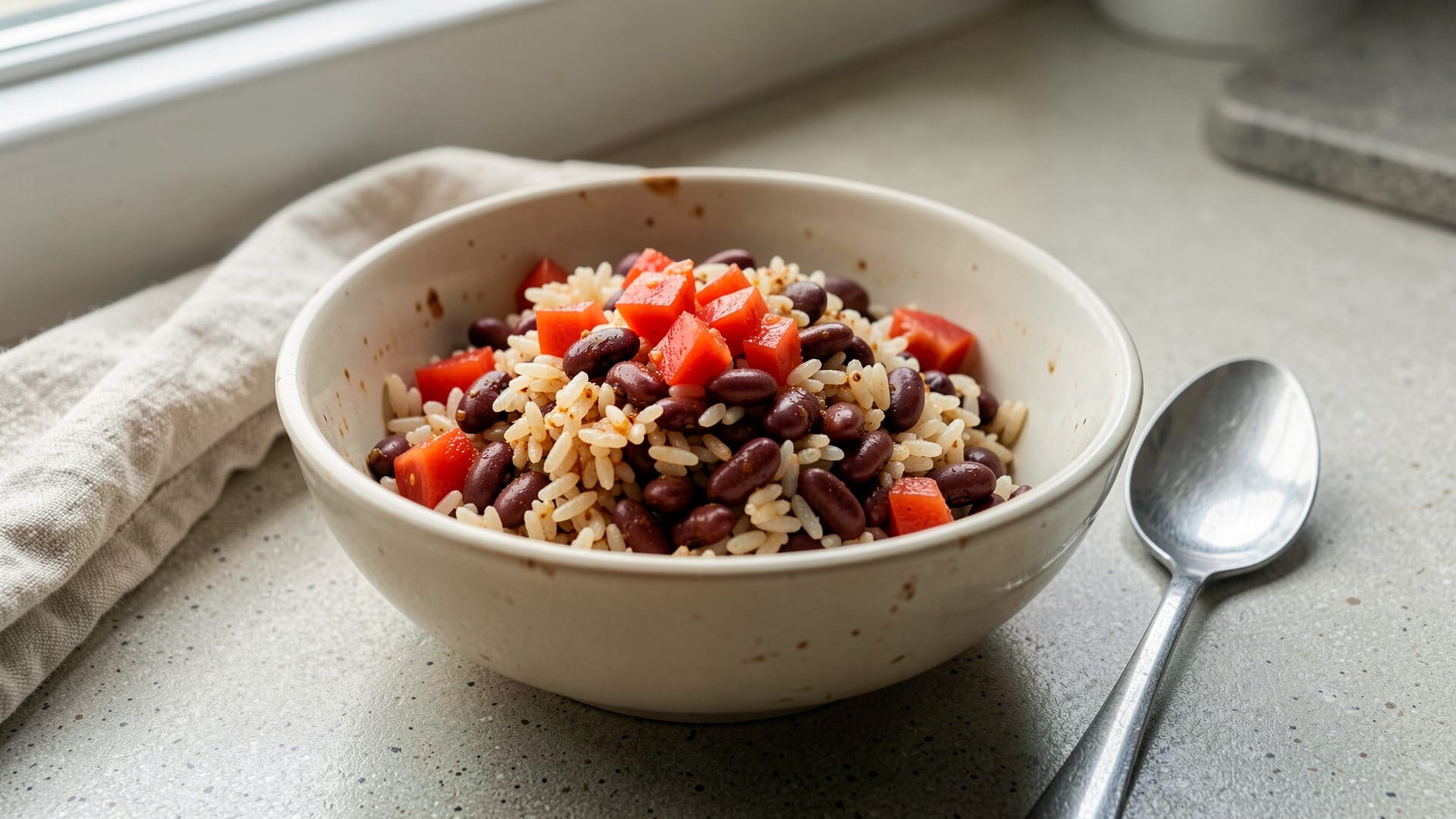
Ready-to-eat, shelf-stable groceries are the simplest first layer when water or heating is limited. Suitable canned beans or fish, crackers and fruit can become dinner without rehydration. Check each label for ready-to-eat status and after-opening storage, and keep an opener where needed. Our emergency grocery guide covers building that ordinary-food foundation.
Dehydrated cooking ingredients, such as dried vegetables in a soup mix, belong in a cooking plan. They may need other ingredients, simmering, cookware and cleanup water. Some dried products are ready to eat; others are not. The word “dehydrated” does not answer the preparation question.
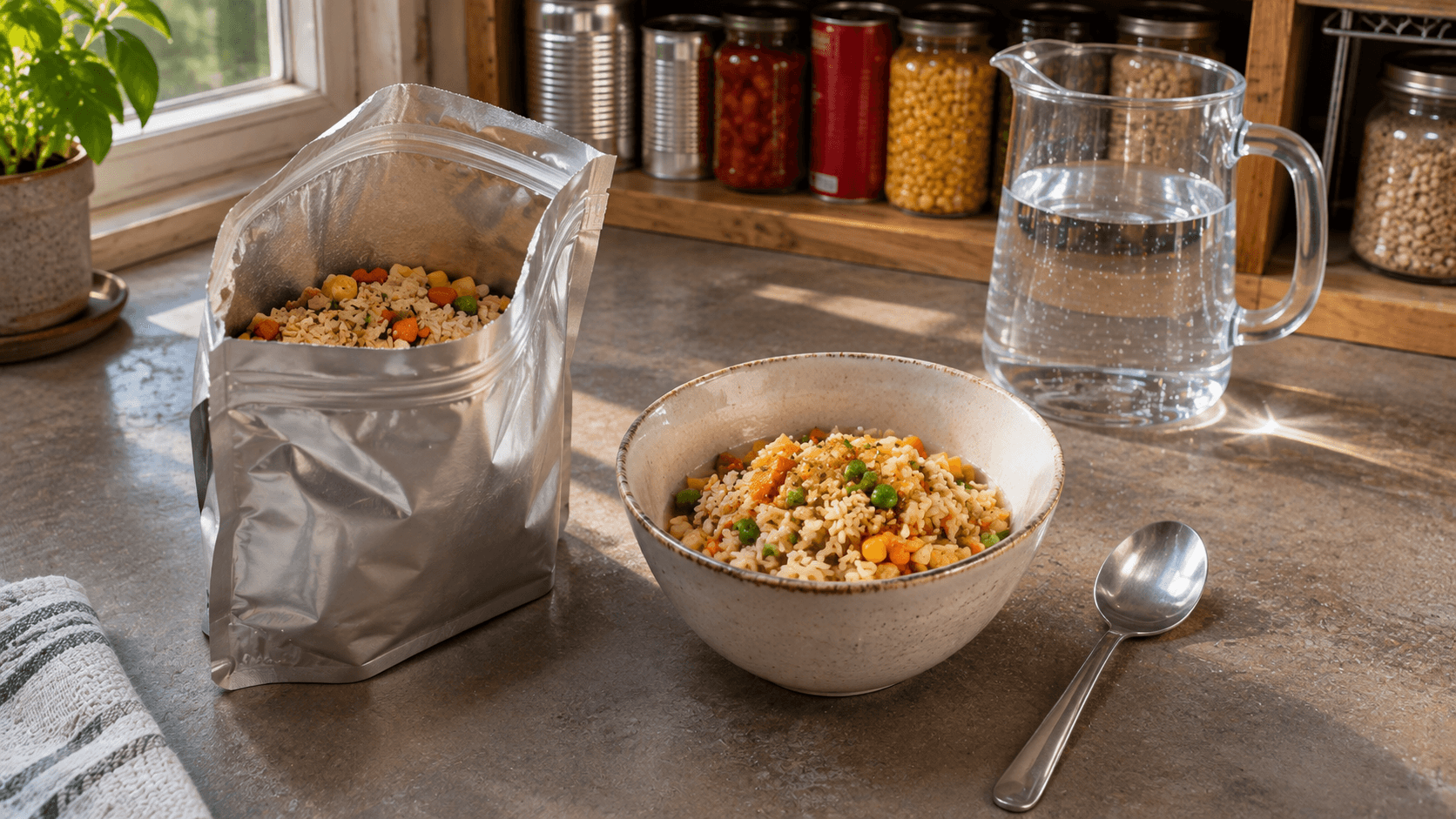
A precooked freeze-dried meal may combine the ingredients in a pouch that needs only its specified rehydration steps. That can simplify dinner compared with cooking from separate ingredients. Its dry weight may also matter if you will carry it, but the preparation water still has to come from somewhere. Compare the whole setup, not just the food's weight.
Freeze-drying describes water removal, not whether a food was cooked. Utah State University Extension explains that raw meat, seafood, eggs and foods containing those raw ingredients still require cooking before eating. Do not treat a freeze-dried ingredient as a precooked meal or assume soaking makes it safe.
Read the label in meal-sized amounts
Before ordering even a trial pouch, find the full ingredient list, allergen information, Nutrition Facts, preparation directions and storage instructions. An assortment is only useful if its individual recipes suit the people eating. Ask the manufacturer about unresolved allergy questions rather than relying on a meal name or front-of-pack claim.
Start with servings per container, then calories, protein and sodium for the amount someone will actually eat. The FDA's label guide says serving size is not a recommendation of how much to eat. “Two servings” is not a promise of dinner for two adults.
If the label gives per-serving values, account for the number of servings eaten. If it already gives a per-pouch column, use that column for a whole pouch without multiplying again. Check sodium against the rest of the day's food and any individual dietary requirements. A filling trial meal does not prove that a kit supplies a complete diet.
Include safe water and a workable heat source
Use the exact package directions to plan preparation water for the packages you expect to use. Keep that allocation visible alongside drinking and hygiene needs; do not count the same stored water twice. There is no useful universal water ratio for every mixed meal and ingredient.
Use known-safe water. CDC's emergency water guidance says to use bottled water or another safe supply until you know the tap water is safe. Follow local advisories. Adding water to dry food is not a water-treatment step.
Check whether directions call for boiling water, further cooking, stirring or a particular standing time. Cold-water preparation is an option only when the exact product's manufacturer permits it, using its directions. Permission for one precooked meal does not extend to raw ingredients or a different pouch.
If heating is required, your outage plan must actually provide it safely. Camp stoves and charcoal grills are outdoor-only equipment, not indoor kettle substitutes. If you have no safe, permitted cooking option, our no-generator, no-camping-stove outage guide offers a better starting point than a case of hot-water meals.
Try one pouch on a normal day
Choose one recipe that has passed the label and preparation checks. Make it for an ordinary meal while utilities work, following its own instructions rather than a generic online method. Follow any direction to remove an oxygen absorber before adding water; keep the packet out of the food you eat.
Note the water, equipment, preparation time and any awkward handling steps. Let the intended eaters judge flavor, texture and portion. Record whether extra food was needed and whether anything remained.
Compare it with a familiar pantry dinner for those same people. Was the convenience worthwhile without fresh toppings you might lack during an outage? This purchase trial does not establish readiness for a prolonged disruption.
Price the meal you actually get
Use the trial's portions, not the bucket's advertised servings. Divide food cost by actual person-meals supplied, including any necessary sides. Compare an ordinary dinner the same way.
If a person eats a whole two-serving pouch for dinner, the food cost for that person's meal is the whole pouch price, not half. If two people share it but need additional food, include those additions. Count delivery charges and likely unused food when comparing a case with a smaller purchase.
Then ask what the extra spending buys for your household: simpler preparation, a preferred change from usual pantry food, lower dry carried weight, or a sealed reserve with a storage claim you can meet. No single format wins every comparison. A discount is not a saving if you cannot use much of the assortment.
Keep sealed, opened and prepared food separate
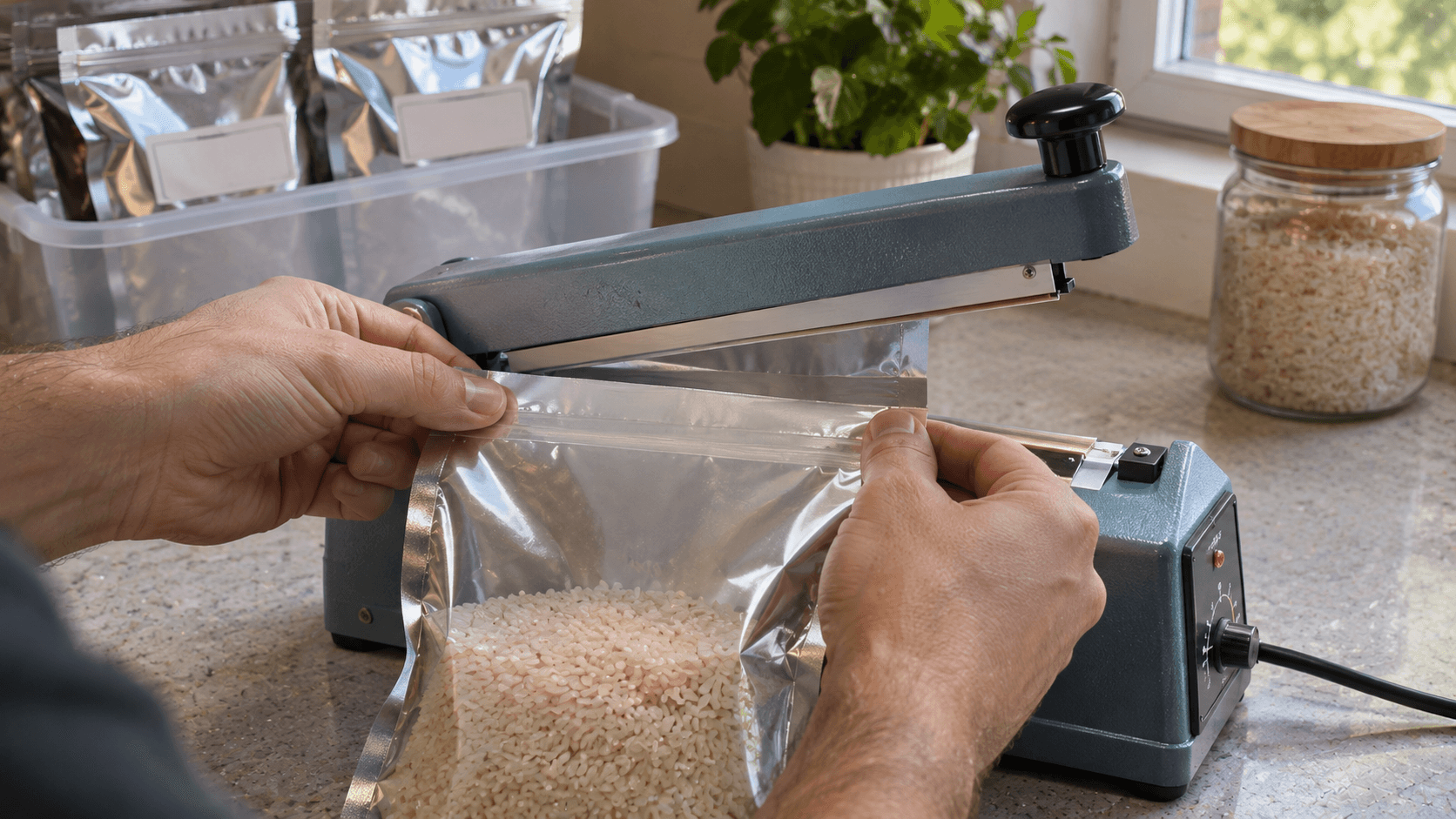
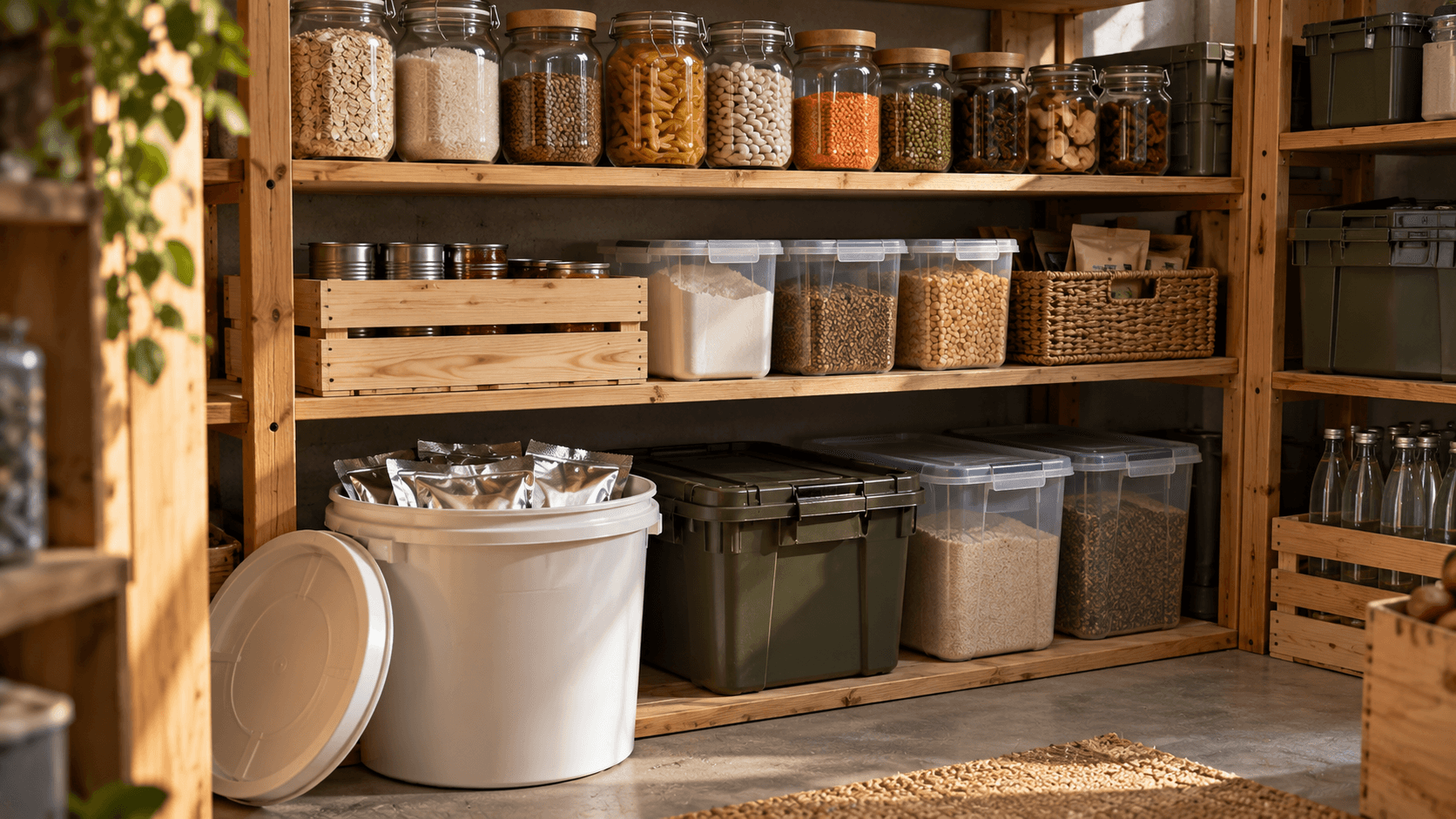
An unopened shelf-life claim applies to the specified food and intact packaging under the maker's storage conditions. It is not a universal promise for all freeze-dried food. Keep the original label, lot information and directions. Use our guide to where to store emergency food to assess the shelf, not just the spare space.
Once opened, dry contents need their own handling and storage instructions, including protection from moisture. Mountain House's FAQ distinguishes its opened dry contents from hydrated leftovers, which it says to treat as fresh food. Do not transfer a dry-package storage window to a prepared dinner.
After adding water, follow the product's directions and applicable food-safety guidance for prepared food. Without reliable refrigeration, prefer portions the household can finish at the meal rather than planning to save perishable leftovers. Resealing the pouch does not restore its unopened shelf life.
Buy small, or skip it
Use three gates before buying more. First, can you use it safely, with suitable ingredients, safe water, the required preparation and workable storage? An unresolved requirement means do not rely on it.
Second, does the trial replace the meal you actually need, in portions people will eat? Third, is the demonstrated benefit worth the actual meal cost without taking money from safe water and usable everyday food?
If all three answers are yes, buy a small amount of the recipes that worked. If heat, water, diet, portion size or cost fails the comparison, keep ordinary groceries as the better choice for now. You do not need a specialized food bucket to have a useful emergency pantry.
Editorial note
Follow the exact product label and local emergency advice. Freeze-drying is not sterilization, and a storage claim for sealed dry food is not a safe holding time for prepared leftovers.
Article recap
- Compare actual meals, including added food and likely waste, rather than advertised serving totals.
- Check the exact product for allergens, sodium, cooked or raw status, safe-water needs and preparation directions. Cold soaking is not a universal option.
- Try one pouch before buying a small reserve. Unopened storage claims do not apply to opened dry contents or rehydrated leftovers.
Sources and further reading
- Ready.gov: Food — Ready.gov, accessed May 2026
- Buying a Home Freeze-Dryer: What to Know Before You Go — Utah State University Extension, accessed Nov 2026
- Frequently Asked Questions & Contact Info — Mountain House, accessed Nov 2026
- How to Understand and Use the Nutrition Facts Label — US Food and Drug Administration, accessed Nov 2026
- Use Safe Water During an Emergency — US Centers for Disease Control and Prevention, accessed Nov 2026
Read next
Questions readers askFrequently asked questions
Not automatically. Suitable ready-to-eat canned food can be useful without heating or added water, while a precooked freeze-dried meal may simplify preparation when you have the safe water and equipment its directions require. Compare actual portions, dietary suitability, storage and cost. Check labels: neither a can nor a freeze-dried label alone establishes ready-to-eat status.
Only when the manufacturer permits it for that exact product, following its directions and using known-safe water. Some precooked meals allow cold-water rehydration; that is not permission to cold-soak raw meat, eggs or other cook-required ingredients. Freeze-drying does not establish that food was cooked or sterilized.
Not necessarily. Check calories, protein and sodium for the amount each person will eat, and try a pouch before relying on the serving count. Include any additional food needed in the meal cost. A labeled serving is not a recommended portion or a guarantee of a filling, nutritionally complete meal.
Use the exact product's instructions, not a universal deadline. Unopened packaging, opened dry contents and rehydrated food have different storage requirements. After adding water, follow prepared-food safety guidance; a dry-content storage window does not apply to leftovers. Without reliable refrigeration, choose portions you can finish rather than planning to save perishable leftovers.
Comments
Leave a comment
No comments yet. Be the first to comment!