Wilderness
The Lykov Family Survival in Total Isolation
In 1978, a Soviet geological team flying over the Siberian taiga spotted something that did not belong: a tiny cultivated patch and a crude homestead in a pl...
Quick answer
For The Lykov Family Survival in Total Isolation, confirm what is happening, handle immediate safety, then work through water, food, communication, shelter, medications, documents, and local alerts in that order. Adapt the steps to local alerts, household health needs, and official instructions.
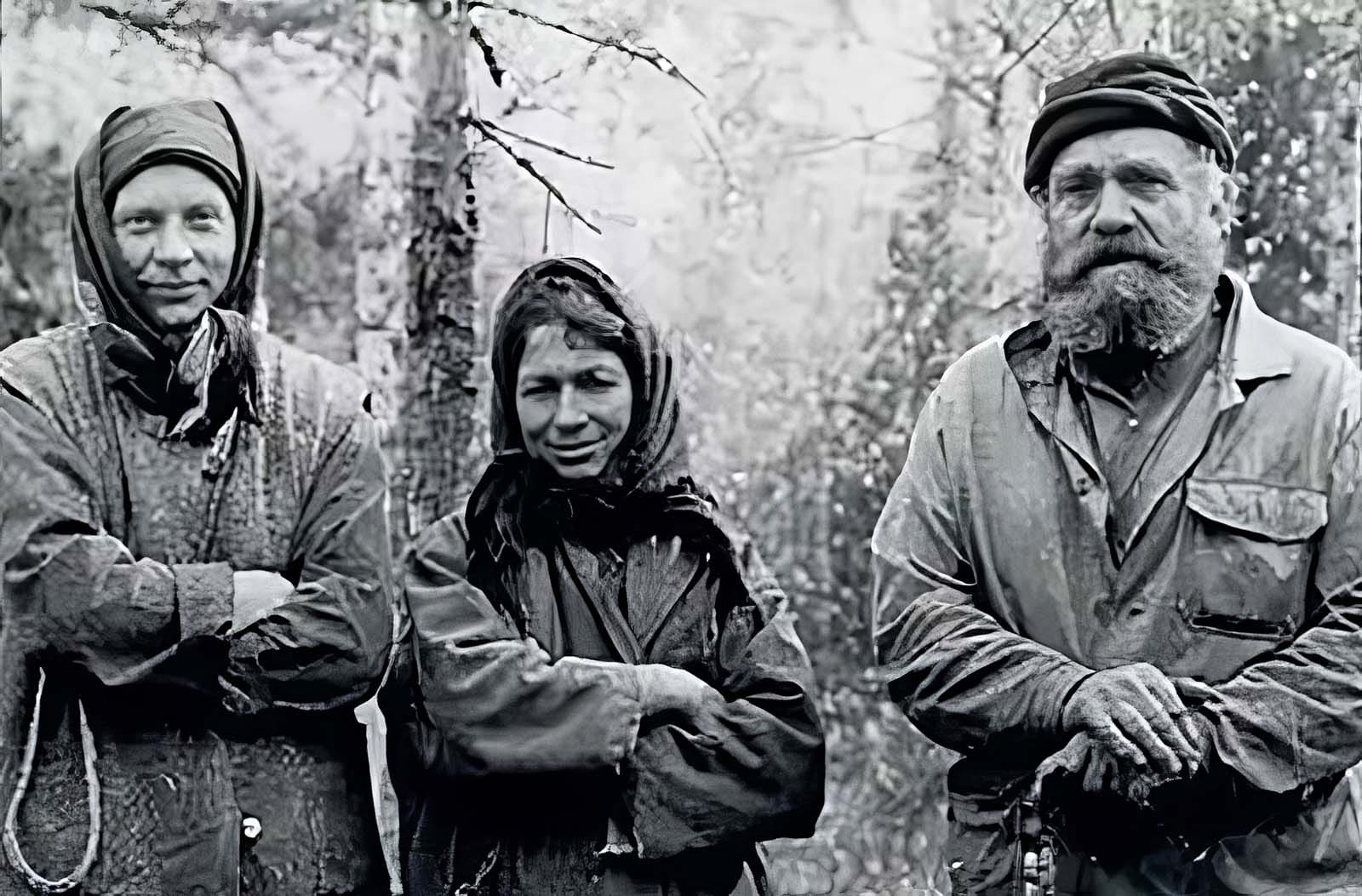
In 1978, a Soviet geological team flying over the Siberian taiga spotted something that did not belong: a tiny cultivated patch and a crude homestead in a place where no one should have been living. When they walked in, they found the Lykovs, an Old Believer family who had spent decades pushing deeper into the wilderness to escape persecution and preserve their faith. They were not “off grid” for fun. They were running from a system, and they chose a life with almost no margin for error.
For preppers, the Lykovs are not a feel good story about freedom. They are a brutal case study in what isolation really costs, and what actually kills you when there is no resupply, no clinic, no tools aisle, and no second chances.
Why they disappeared
The Lykovs were part of the Old Believers, a religious tradition that rejected reforms in the Russian Orthodox Church and often faced pressure from authorities across different eras. In 1936, the family made a decisive move: they left their community and vanished into the Abakan region of southern Siberia, carrying little more than basic tools, seeds, and their religious books. Two more children were born in the taiga after the retreat.
The important survival detail is this: their plan depended on one thing more than anything else, a garden. In that climate, hunting and gathering can supplement you, but calories come from what you can reliably grow and store.
The real enemy was not predators
When people imagine wilderness survival, they picture wolves, bears, and dramatic fights. The Lykovs battled something quieter: hunger, monotony, micronutrient deficiency, cold exposure, and the constant friction of doing everything by hand. Years of scarcity forced them into choices that sound unthinkable until you do the math. After crop failures, accounts describe them eating bark, straw, and even leather, with the family operating on the edge of starvation for long stretches.
One winter famine killed the mother, Akulina. That is the first hard lesson: in long isolation, the “bad year” is what breaks you, not the normal year.
How they stayed alive with almost nothing
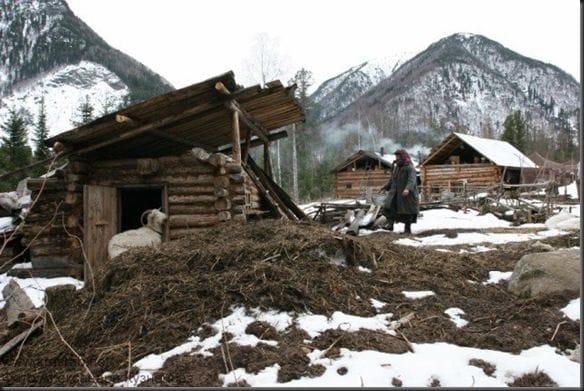
They survived by turning routine into religion. Everything was repaired, patched, repatched, then rebuilt from scratch. Clothing became a project. Fire was a project. Cooking was a project. Food storage was life. Their garden became a system, not a hobby. Their diet leaned heavily on what could be grown and kept through Siberian winters, and anything that filled the gap, including pine nuts and whatever meat could be taken with traps and endurance hunting.
Salt is a telling detail. Living without it for decades was described as torture, but the family’s rules and isolation made even basic minerals a luxury. This is not a romantic minimalist lifestyle. This is what deprivation actually looks like.
The contact that saved them also weakened them
After the discovery, the outside world brought gifts and help. The family accepted some items over time, including salt and later practical supplies. But contact also brought new risks. Within a few years, most of the children died, with accounts pointing to a mix of chronic damage from a harsh diet and at least one death likely linked to infection. The wilderness did not suddenly kill them. The transition did.
This is the second hard lesson: reentry is dangerous. When you have lived on the edge for decades, your body has no buffer, and your immune exposure is different. Even help can carry a price.
Agafia and the myth of perfect self sufficiency
Agafia, the youngest, became the last surviving member and continued living in the taiga for decades. That reality creates a paradox: she is a symbol of isolation, but long-term survival at that age has depended on periodic outside support and medical evacuation when things get dire. The fantasy is “one person vs nature.” The truth is “one person plus occasional supply drops.”
For preppers, this matters because it kills the most common delusion: that you can permanently remove yourself from systems without paying a growing cost over time.
Practical takeaways for SHTF planning
The Lykovs prove that humans can endure extreme isolation, but only by accepting a life of constant labor, limited nutrition, and zero comfort. Their story produces a few sober rules you can actually use.
Food security is not a stash, it is a system that survives bad years. If one frost can erase your calories, you need redundancy.
Micronutrients matter. You can stay alive on calories and still be slowly damaged by deficiencies.
Tools and repair skills are not optional. The moment you cannot replace a pot, a needle, or a cutting edge, your whole system degrades.
Transition risk is real. Illness and shock hit hardest when a fragile household suddenly reconnects to people and pathogens.
The real benchmark is not “can I live alone.” It is “can I survive a bad year twice in a row.”
The Lykov family story is compelling because it is honest. It shows the price of isolation in calories, cold, and grief, and it shows that the wilderness does not negotiate. If you want to be resilient in SHTF, chase the lesson, not the fantasy: build redundancy, build routine, and build a life that still functions when the easy layer of modernity disappears.
Editorial note
This refresh adds review cues and source links while keeping the article practical and non-alarmist. Adapt the steps to local alerts, household health needs, and official instructions.
Article recap
- Handle immediate safety before comfort or convenience.
- Work from basics: water, food, shelter, medication, communication, and documents.
- Use local alerts and credible sources instead of rumors.
Sources and further reading
- Ready.gov: Make a Plan — Ready.gov, accessed May 2026
- Ready.gov: Build a Kit — Ready.gov, accessed Aug 2026
- National Weather Service: Weather Safety — NOAA/NWS, accessed May 2026
Read next

Questions readers askFrequently asked questions
Start with immediate safety, then verify the situation through official or high-credibility sources. After that, work through water, food, medications, communication, shelter, documents, and any local instructions that apply to your area.
Adapt the steps to local alerts, household health needs, and official instructions. If there is immediate danger, serious illness, unsafe water or food, fire, carbon monoxide, evacuation orders, or uncertainty you cannot resolve, treat that as a reason to get official or professional help rather than improvising.
Comments
Leave a comment
No comments yet. Be the first to comment!