
Pemmican the Survival Food That Still Makes Sense
Published on March 24, 2026 · Last reviewed May 30, 2026
Quick answer
For Pemmican the Survival Food That Still Makes Sense, protect health first: keep cold food cold when possible, avoid risky guesses, and use shelf-stable meals while you confirm what is still safe. When food safety is uncertain, use official guidance and discard questionable food rather than gambling with illness.
If you have ever tried to move on foot for a full day with a pack, you learn an ugly truth fast. Most “survival food” is either bulky, too low in calories, or it wrecks your stomach when you actually need it. Pemmican exists because people had the same problem long before energy bars and freeze dried meals. They needed dense calories that survived rough handling, cold, and time.
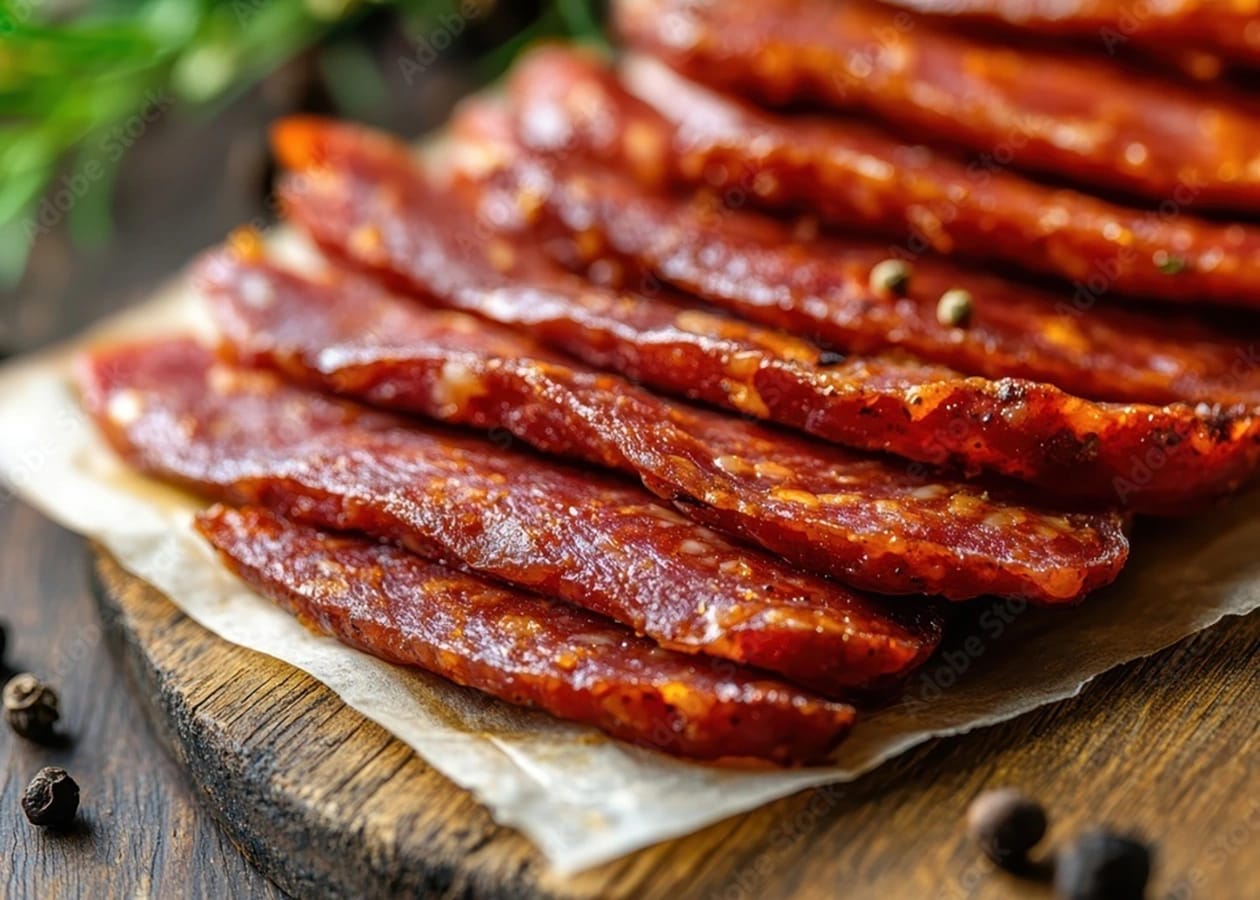
Pemmican is simple in concept: very dry lean meat mixed with rendered fat, sometimes with dried berries. The simplicity is the point. Done right, it is compact fuel you can carry, ration, and eat without a stove.
This is general food guidance, not medical advice. If you have dietary conditions or you are feeding kids in a stressful situation, be conservative and test foods before you rely on them.
Why pemmican matters in a real survival plan
Pemmican shines in the situations where modern convenience foods start failing.
It is useful when you are bugging out and walking burns calories faster than you can replace them. It is useful during 72 hours of chaos when you need food that does not require cooking, dishes, or a big water penalty. It is useful in cold weather because fat is high energy and your body craves it when you are working and freezing.
Most importantly, pemmican gives you control. You can eat a small amount and keep moving. You can stretch it across days. You can treat it as emergency calories, not as a “meal.”
What pemmican is and what it is not
Pemmican is not jerky. Jerky is dried meat. Pemmican is dried meat plus fat, which changes everything. The fat raises calorie density and helps protect the meat from moisture exposure.
It is also not a modern snack bar. It will not taste like candy unless you force it to. The trade is comfort for performance.
The survival use cases that make it worth making
Use pemmican when you need one of these outcomes.
High calories for low weight and volume
Food that can be eaten without cooking
A ration you can portion precisely
Cold weather fuel that does not freeze solid like some foods do
A backstop when supply runs thin and you need to protect your stored staples
The two things that decide whether pemmican is shelf stable
Pemmican fails for predictable reasons. If you remember only two, remember these.
First, the meat must be dried extremely thoroughly. Any remaining moisture is the enemy because it enables spoilage.
Second, the fat must be properly rendered and clean. Water left in fat and bits of protein can accelerate rancidity and shorten life. Render slowly, strain well, and treat cleanliness as part of the recipe, not a bonus.
A common traditional approach is roughly equal parts dried meat and rendered fat by weight, mixed until every particle of meat is coated. Ratios vary, but the survival principle stays the same: the meat must be bone dry and fully bound in fat.
How to make it without turning it into a food safety gamble
You can make pemmican in a kitchen. You just have to be disciplined.
Start with very lean meat. Fat in the meat itself can go rancid faster and makes drying inconsistent. Slice thin, dry it hard, then dry it more. You want brittle. Then grind or pound it into a coarse powder.
For food safety, treat the meat like jerky and follow established safe handling practices for home dried meat. That means using proper heat and dehydration methods rather than improvising. The goal is not just dryness. The goal is reducing pathogens before and during drying.
Render your fat separately. Suet and tallow are common because they render cleanly and store well compared to softer fats. Render slowly, strain, and let it settle so you are not pouring water and impurities into the final mix.
Mix the hot liquid fat into the meat powder until it binds. Press into bars or pack into a container. Let it cool and harden.
If you add berries, they must be completely dry. Sticky “dried fruit” from the store often still contains enough moisture and sugar to shorten shelf life. For survival pemmican, moisture is the risk you manage.
How to pack and store it for SHTF
Pemmican is not magic. It still needs smart storage.
Keep it cool, dark, and dry. Oxygen, heat, and light push fats toward rancidity. Packaging that limits air exposure helps. Portioning also helps because you avoid repeatedly opening a big container and introducing moisture.
In the field, treat it like any fat heavy food. Keep it away from high heat. Do not leave it baking in a car window. If it melts and rehardens repeatedly, texture suffers and you increase the chance of contamination.
How to eat it so it actually helps
The biggest mistake is eating pemmican like a normal snack when you are not exerting. It is dense. If your body is not burning hard, it can sit heavy.
In a survival context, it works best as rationed fuel. Small portions, followed by movement or work. If you have water and time, you can also crumble it into a hot broth or stew to spread calories across a meal and make it easier to digest.
The mistakes that ruin pemmican
Most failures come from a few avoidable errors.
Making it with meat that is not fully dried is the number one issue. Using fat that was not rendered cleanly is the second. Adding moist fruit is the third. Storing it warm and exposed to air finishes the job.
If you do not want to gamble, make a small batch, store it, and test it after a few weeks before scaling up. In preparedness, proven beats theoretical.
The prepper takeaway
Pemmican is not a novelty. It is a rational solution to an old problem: carrying serious calories when you cannot rely on resupply, cooking, or comfort. In SHTF, that matters more than taste. The best survival foods are the ones that still work when you are tired, cold, stressed, and moving.
If you want, I can tailor a “pemmican fits your plan” version next: one for bug out bags, one for bug in pantry backup, and one for cold weather hiking, each with a realistic portion strategy for 72 hours.
Article recap
- Protect refrigerated and frozen food during outages.
- Use shelf-stable meals when safety is uncertain.
- Discard questionable food instead of relying on smell or taste alone.
Editorial note
This refresh adds review cues and source links while keeping the article practical and non-alarmist. When food safety is uncertain, use official guidance and discard questionable food rather than gambling with illness.
Frequently asked questions
What should I do first for Pemmican the Survival Food That Still Makes Sense?
Start with immediate safety, then verify the situation through official or high-credibility sources. After that, work through water, food, medications, communication, shelter, documents, and any local instructions that apply to your area.
When should I stop using a DIY approach for Pemmican the Survival Food That Still Makes Sense?
When food safety is uncertain, use official guidance and discard questionable food rather than gambling with illness. If there is immediate danger, serious illness, unsafe water or food, fire, carbon monoxide, evacuation orders, or uncertainty you cannot resolve, treat that as a reason to get official or professional help rather than improvising.
Sources and further reading
- Ready.gov: Food — Ready.gov, accessed May 30, 2026
- FDA: Food and Water Safety During Power Outages and Floods — FDA, accessed May 30, 2026
- USDA: Food Safety in an Emergency — USDA, accessed May 30, 2026