Wilderness
What to Do in the First 24 Hours After Getting Lost
Getting lost is not what kills people. Panic does.
Quick answer
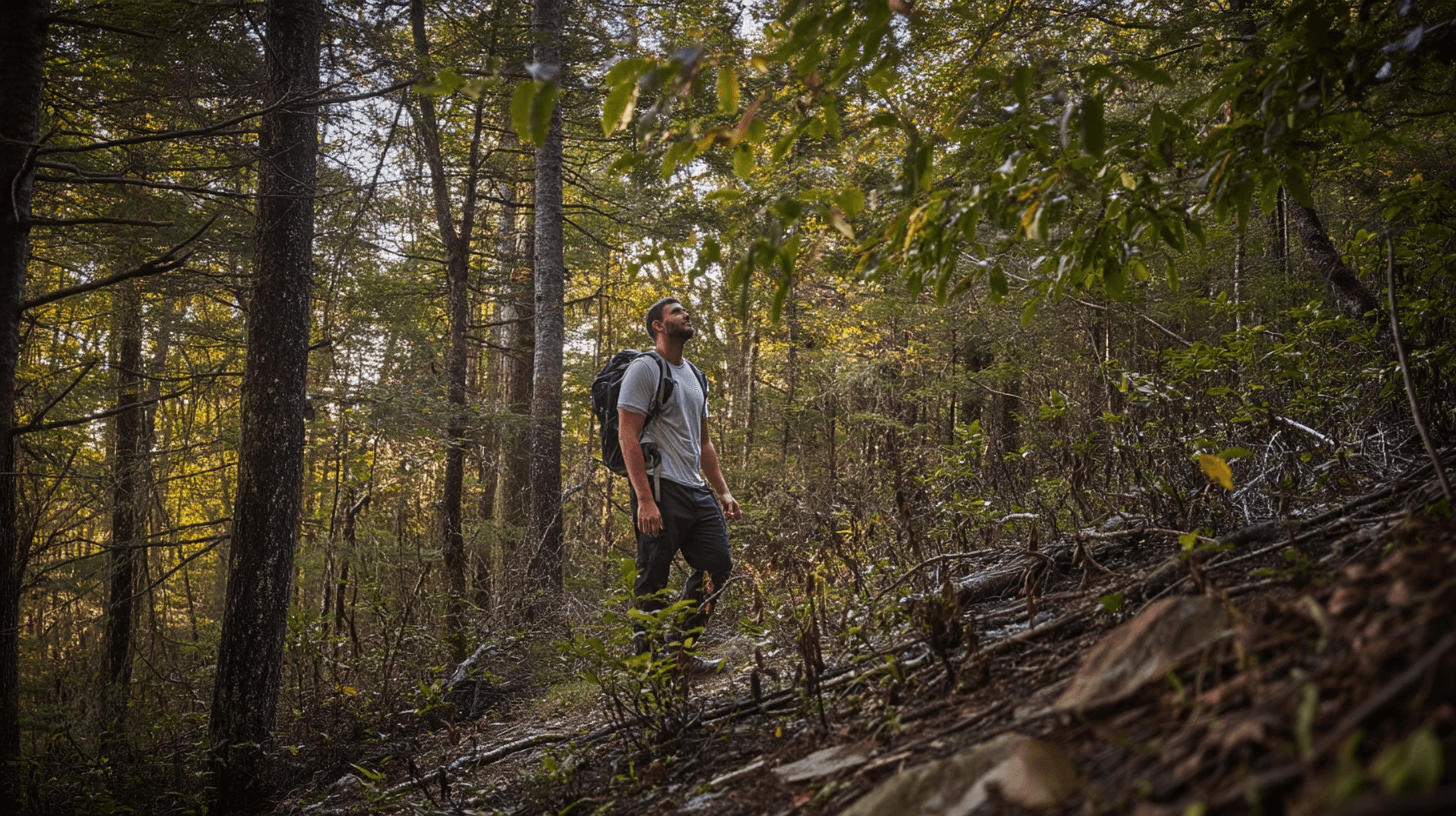
If you get lost, stop early, stay visible, protect yourself from weather, mark your location, conserve phone battery, and make a simple signaling plan. Moving randomly usually makes rescue harder; your first job is to stay safe, calm, and findable.
Getting lost is not what kills people. Panic does.
Most situations start small. A wrong turn, a missed trail, a moment of distraction. Then it builds. You keep moving, trying to fix the mistake quickly, and without realizing it, you make it worse. By the time you accept that you are lost, you are already deeper in trouble.
The first 24 hours are critical. What you do during this time will decide whether the situation stabilizes or spirals out of control.
This first-day plan pairs naturally with navigation without GPS, backup communication such as off-grid messaging, and safe water thinking from finding and purifying water in the wild.
Step 1: Stop and Break the Panic
The instinct to keep moving is the biggest mistake. People assume they can “just find the way back” if they walk a bit more. In reality, this is how they get further disoriented.
The moment you realize you are lost, you stop. Sit down if needed. Slow your breathing. Give yourself time to think clearly. Panic leads to rushed decisions, and rushed decisions lead to bad outcomes.
This is where you reset control. You are not trying to solve everything at once. You are trying to avoid making the situation worse.
Step 2: Assess Your Situation
Before doing anything else, take inventory. What you have and where you are will shape every decision that follows.
Look at your surroundings. Are you in dense forest, open terrain, mountains, or near water. Check your resources. Water, food, clothing, any tools, and especially anything that can help you signal or make fire.
At the same time, think about the last point where you were certain of your location. If that point is close and you are confident, it may be worth carefully retracing your steps. If there is any doubt, staying put is usually the safer choice.
Step 3: Decide Whether to Stay or Move
This is one of the most important decisions you will make.
If someone knows your general location and you are expected to return, staying in one place increases your chances of being found. Search efforts focus on last known positions, not random movement.
If no one knows where you are, or you are in immediate danger, then moving may be necessary. But movement must be controlled and purposeful, not random wandering. Following a natural direction such as downhill or toward a visible landmark is far better than guessing.
Once you decide, commit to it. Constantly changing direction wastes energy and increases confusion.
Step 4: Secure Water and Shelter Early
Many people delay this step, thinking they can solve navigation first. That is a mistake.
Your body will lose heat and energy faster than you expect. Even in mild conditions, exposure can become a serious problem overnight. Shelter is not about comfort. It is about protection from wind, cold, and moisture.
At the same time, start thinking about water. If you already have some, manage it carefully. If not, begin identifying potential sources before dehydration becomes an issue.
These are your priorities now:
Find or create basic shelter before night
Locate a potential water source
Prepare to make that water safer if possible
Step 5: Make Yourself Visible
If rescue is possible, you need to be seen.
People often stay hidden without realizing it. Dense cover, low ground, or poor positioning can make you almost invisible even to search teams nearby. Move to a location where you are easier to spot if it is safe to do so.
Use anything you have to increase visibility. Bright clothing, reflective objects, or simple ground signals can make a difference. Repetition also matters. Consistent signals are easier to notice than random ones.
Step 6: Manage Energy and Time
The first day is not about solving everything. It is about stabilizing your situation.
Avoid unnecessary movement. Every step costs energy and water. Stay in the shade during heat and protect yourself from cold when temperatures drop. Keep your actions deliberate and limited to what actually improves your chances.
As night approaches, your priorities become even more focused. Shelter must be ready. You should know where your next water source is. And you should be in a position where you can continue signaling if needed.
The Reality of the First 24 Hours
Most survival situations are decided early. Not because people run out of time, but because they make the wrong decisions under pressure.
If you stop, think clearly, and focus on the fundamentals, your chances improve immediately. If you panic, keep moving without direction, and ignore basic needs, the situation gets worse quickly.
The goal of the first 24 hours is simple. Stay alive, stay visible, and stay in control. Everything after that depends on how well you handle this window.
Editorial note
Wilderness and backcountry decisions depend on weather, injury, terrain, daylight, and local rescue guidance. Staying findable is often more important than walking farther.
Article recap
- STOP: stop, think, observe, and plan before walking farther.
- Warmth, water, signaling, and injury checks matter before distance covered.
- Tell someone your route before leaving so the first 24 hours do not start from zero.
Sources and further reading
- National Park Service: Ten Essentials — National Park Service, accessed Aug 2026
- Ready.gov: Make a Plan — Ready.gov, accessed May 2026
- National Weather Service: Thunderstorm Safety — National Weather Service, accessed May 2026
Read next
Questions readers askFrequently asked questions
If people know your route or you are injured, staying put and signaling is often safer. Move only if you have a clear route, enough daylight, and a strong reason to believe it lowers risk.
Save battery, turn down brightness, close unused apps, try text messages when calls fail, share your location if possible, and keep the phone warm and dry.
Comments
Leave a comment
No comments yet. Be the first to comment!