Gear guides
Best Blackout Lights for Home: Lanterns, Headlamps, and What to Use Before Candles
A good blackout light plan does not need to look tactical. It needs to help people walk safely, check the breaker panel, use the bathroom, make food, care fo...
Quick answer
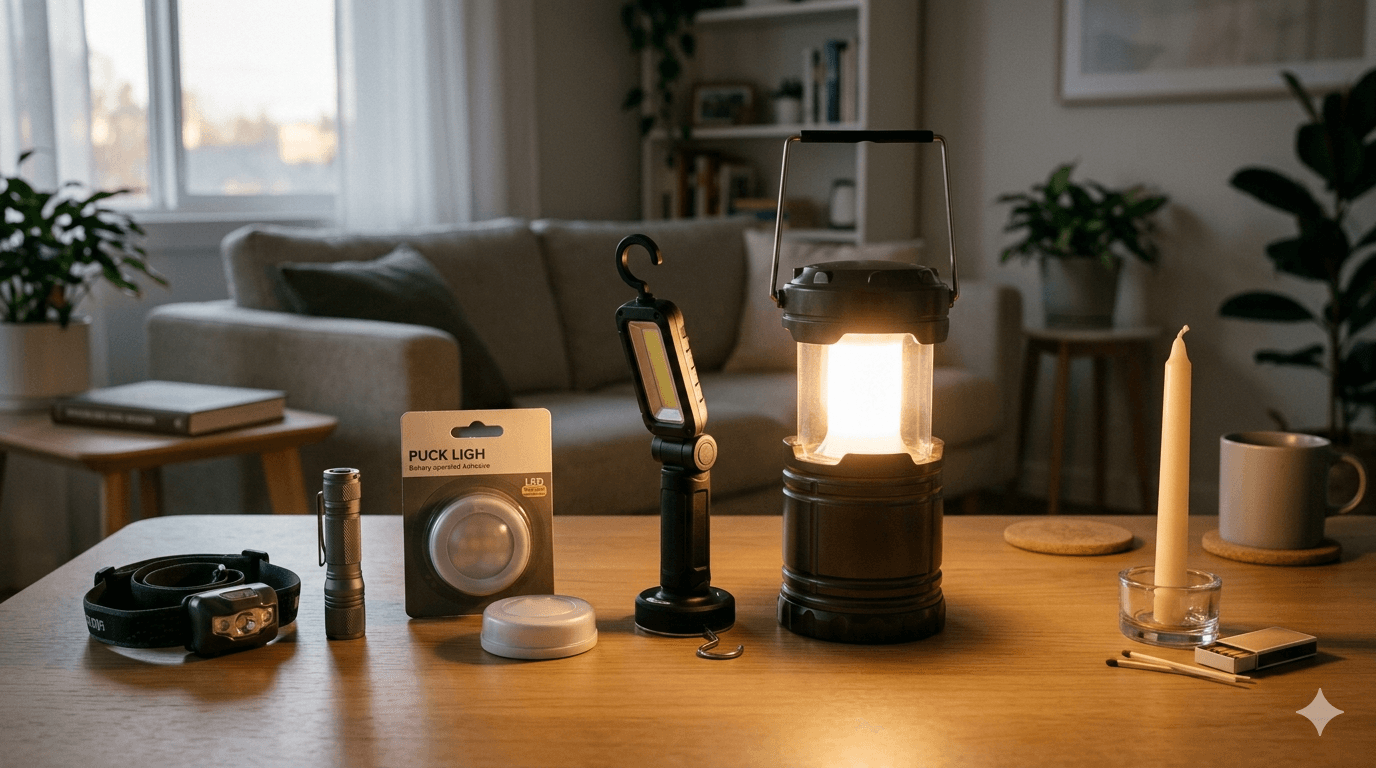
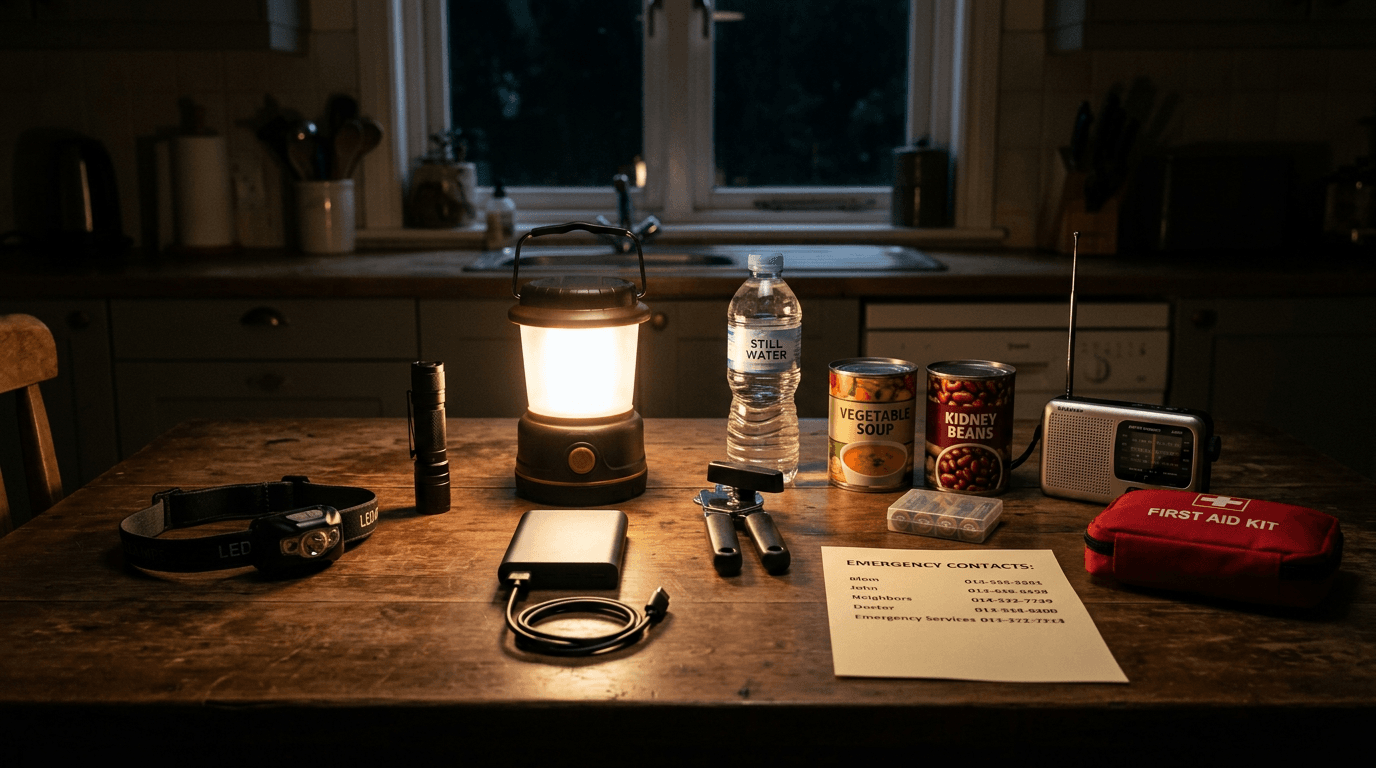
For most homes, the best blackout light setup is one LED lantern for the main shared room, one headlamp or flashlight per person, and small backup lights near beds, stairs, and exits. Headlamps handle hands-free tasks, lanterns provide area lighting, and flashlights provide focused backup. Prefer common replaceable batteries or USB charging you can maintain, and use LEDs before candles.
Affiliate disclosure
This article may contain affiliate links. If you buy through these links, The Survival Nexus may earn a commission at no extra cost to you. We recommend product categories and buying criteria that fit the emergency scenario described. Read our disclosure.
A good blackout light plan does not need to look tactical. It needs to help people walk safely, check the breaker panel, use the bathroom, make food, care for kids or pets, and avoid falls. The best lights for a blackout are usually boring LED headlamps, lanterns, and simple flashlights placed where people can reach them.
If you are building a kit from scratch, this article supports the broader Power Outage Kit for Home guide. Lights are one of the first things to buy because they solve a problem immediately and cost far less than backup power.
Which blackout light is best for each job?
Headlamp - best for hands-free tasks such as checking the breaker panel, cooking, repairs, and helping another person.
LED lantern - best for lighting a kitchen, table, hallway, bathroom, or other shared area.
Flashlight - best for focused inspection, outdoor checks, and a small backup near each bed.
Plug-in emergency light - best for switching on automatically during short outages and helping people find their primary lights.
Battery puck or night-light - useful for low-level lighting near stairs, doors, or children’s rooms, but not a replacement for a lantern or headlamp.
Current examples matching these criteria are the Petzl TIKKINA 300 headlamp, which uses three AAA batteries, and the Streamlight Siege AA lantern, which uses three AA alkaline batteries. You can also compare simple LED headlamps and compare practical LED lanterns. These are affiliate links; TSN may earn a commission if you buy through them. Product examples are based on manufacturer specifications, not TSN hands-on testing.
Start with headlamps
A headlamp is often more useful than a large flashlight because it keeps both hands free. That matters when you are carrying a child, checking a breaker, opening a can, cleaning up broken glass, or helping someone else move around the house.
Look for simple controls, a comfortable strap, a low brightness mode, and a battery or charging style you can maintain. Extremely bright modes sound impressive, but most indoor blackout tasks need safe, steady light rather than maximum output.
Mentioned in this section
Selected products named in this guide
Selected products named above, not a ranking or a complete list. Buy any of them elsewhere if you prefer.
Hands-free blackout tasks
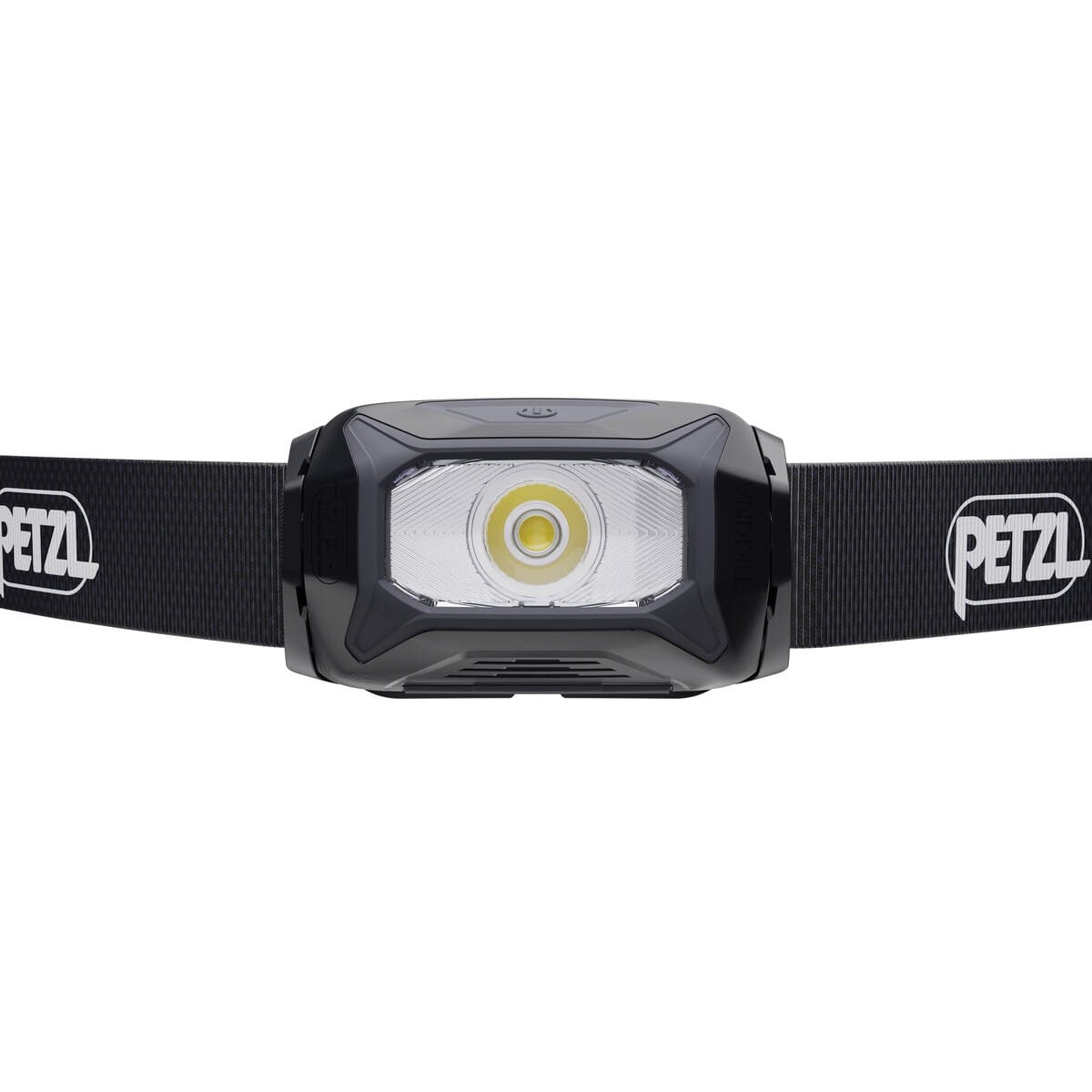
Petzl TIKKINA 300 Headlamp (Black)
Compact 300-lumen headlamp supplied with three AAA batteries; also accepts the optional Petzl CORE rechargeable battery.
Limitation: CORE rechargeable battery is not included. Petzl says this headlamp is not certified for road use.
Shared-room lighting
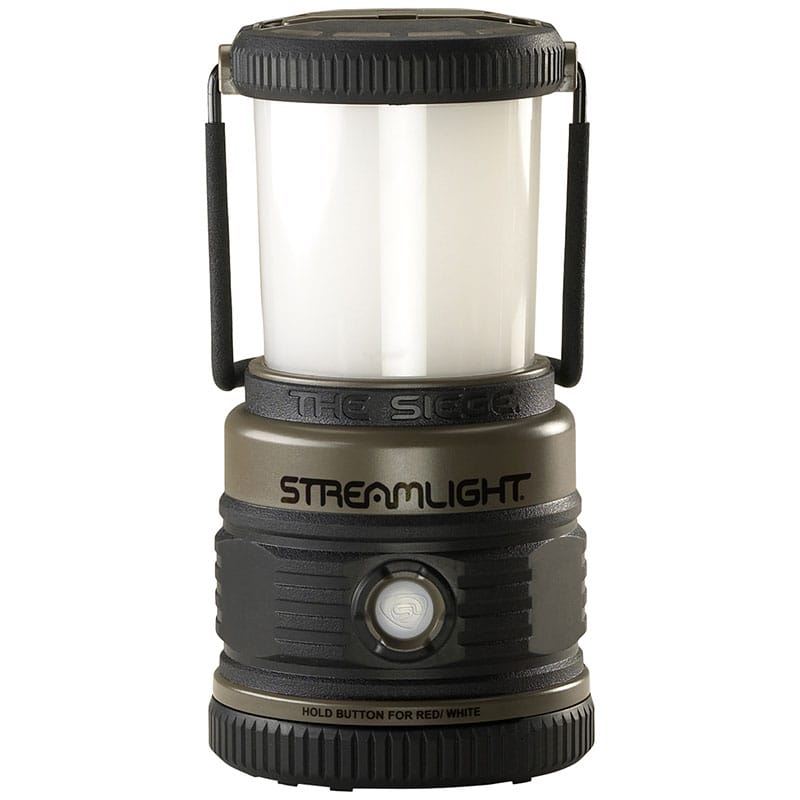
Streamlight Siege AA
A compact lantern using three AA alkaline batteries for tables, hallways, and other shared spaces.
Limitation: Streamlight officially specifies alkaline batteries. Do not assume compatibility with other battery chemistries.
Use lanterns for rooms, not candles
Lanterns are better for shared spaces because they throw light around a table, hallway, or kitchen. They are also easier to set down safely than a handheld flashlight. A lantern in the main room can reduce the number of people wandering around with phone lights and draining batteries.
Candles are familiar, but they add fire risk when people are tired, children are moving around, pets are curious, or curtains and clutter are nearby. If you keep candles, treat them as backup, not the main plan. LED lighting should come first.
Keep phone lights as a backup only
A phone flashlight is useful for the first few minutes, but it should not be your lighting plan. Your phone is also your alert device, map, family-message tool, and emergency-call device. Draining it to light a room is a bad trade.
Pair your lights with a basic phone power plan. If you are deciding between small chargers and larger backup power, see TSN’s power bank safety guide and the broader power options after disaster article for context.
Battery strategy matters more than specs
The best blackout light is the one that works when the power goes out. That means batteries, storage, and habits matter as much as brightness. Try not to buy five lights that all need different battery types. Standardizing around AA, AAA, or USB-C rechargeable gear makes restocking and checking easier.
Rechargeable lights are convenient if you actually recharge them. Battery-powered lights are convenient if you actually keep spare batteries. Pick the failure mode you can manage, then put a reminder on your calendar to check everything before storm season or winter. For a full cold-weather walk-through, use the winter power outage checklist.
Where to store blackout lights
Do not keep every light in one emergency bin in the garage. If the outage starts upstairs at night, nobody wants to search the garage in the dark. Put a small light near each bed, one near the main entry or breaker panel, and one in the kitchen or common area.
The storage rule should be easy enough for the whole household: use the light, then put it back. A blackout kit fails quietly when the gear is borrowed for camping, repairs, or kids’ forts and never returned. Use the free Home Power Outage Starter Checklist to check your lighting supplies alongside the rest of your household kit.
Useful upgrades after the basics
Motion-sensing plug-in lights that switch on during short outages.
Rechargeable battery sets if your lights use common sizes.
A small lantern with a red or low-light mode for nighttime use.
Reflective tape on stair edges or emergency bins if falls are a concern.
A weather radio with a built-in light, as long as it does not replace dedicated lighting.
Useful upgrade to compare: rechargeable AA/AAA battery sets and emergency radios with built-in lights. Choose practical gear over complicated features.
Mistakes to avoid
Avoid relying only on decorative candles, one huge flashlight, or whatever phone happens to have battery. Avoid storing lights without batteries. Avoid buying ultra-cheap mystery chargers or batteries with poor safety information. And avoid placing lights so high or hidden that kids, guests, or older relatives cannot find them.
If you are using lithium-ion rechargeable lights or power banks, follow manufacturer instructions and do not charge damaged devices. For broader battery-safety concerns, TSN’s power bank fire-safety article is a useful companion.
A practical safety note
Lighting is a safety tool, not just a comfort item. Falls, cuts, and burns become more likely when people move through a dark house with improvised light. Keep fuel-burning lanterns, candles, and open flames away from children, pets, bedding, curtains, and clutter, and use LED lights whenever possible.
Blackout lighting checklist
One headlamp or flashlight per person.
One or two LED lanterns for shared spaces.
Spare batteries or a recharge schedule.
Lights placed near beds, kitchen, main entry, and breaker panel.
Phones reserved for communication, not room lighting.
Candles treated as backup, not Plan A.
Editorial note
This article was reviewed against current search interest in blackout lights and practical household power-outage preparation. Product categories and battery systems change, so readers should compare current specifications, test every light before an emergency, and follow manufacturer charging and storage instructions.
Article recap
- The best blackout light plan combines a lantern for shared rooms, headlamps for hands-free tasks, and small backup flashlights.
- Keep one headlamp or flashlight per person and place backup lights near beds, stairs, exits, and the breaker panel.
- Choose common replaceable batteries or USB-rechargeable lights that fit your existing charging plan.
- Use LED lights before candles; open flames add avoidable fire risk during an outage.
- Test every light and return it to the same storage location after use.
Selected productsSelected products in this guide
In the order it appears above.Reference list, in the order it appears above.
- View on Amazon
Petzl TIKKINA 300 Headlamp (Black)
- View on Amazon
Streamlight Siege AA
Only articles that already name products get this block. Affiliate disclosure
Sources and further reading
- Ready.gov: Power Outages — accessed Aug 2026
- U.S. Fire Administration: Candle Fire Safety — U.S. Fire Administration, accessed Aug 2026
Read next
Questions readers askFrequently asked questions
For most homes, use an LED lantern for shared rooms, a headlamp for hands-free tasks, and small flashlights as backups near beds and exits. This combination is safer and more flexible than relying on one very bright flashlight or candles.
Yes, if you recharge and test them regularly. Rechargeable lanterns and headlamps are convenient for frequent use, but longer outages still require a compatible power bank, another charging source, or lights that accept common replaceable batteries.
A practical minimum is one headlamp or flashlight per person, one lantern for the main shared room, and small backup lights near bedrooms, stairs, or exits. The exact number depends on the home layout and who may need help moving safely.
Comments
Leave a comment
No comments yet. Be the first to comment!