Gear guides
Power Bank vs Portable Power Station: Which Do You Need for a Blackout?
A power bank and a portable power station solve different outage problems. A power bank is the practical first purchase for phones and small USB devices. A p...
Quick answer
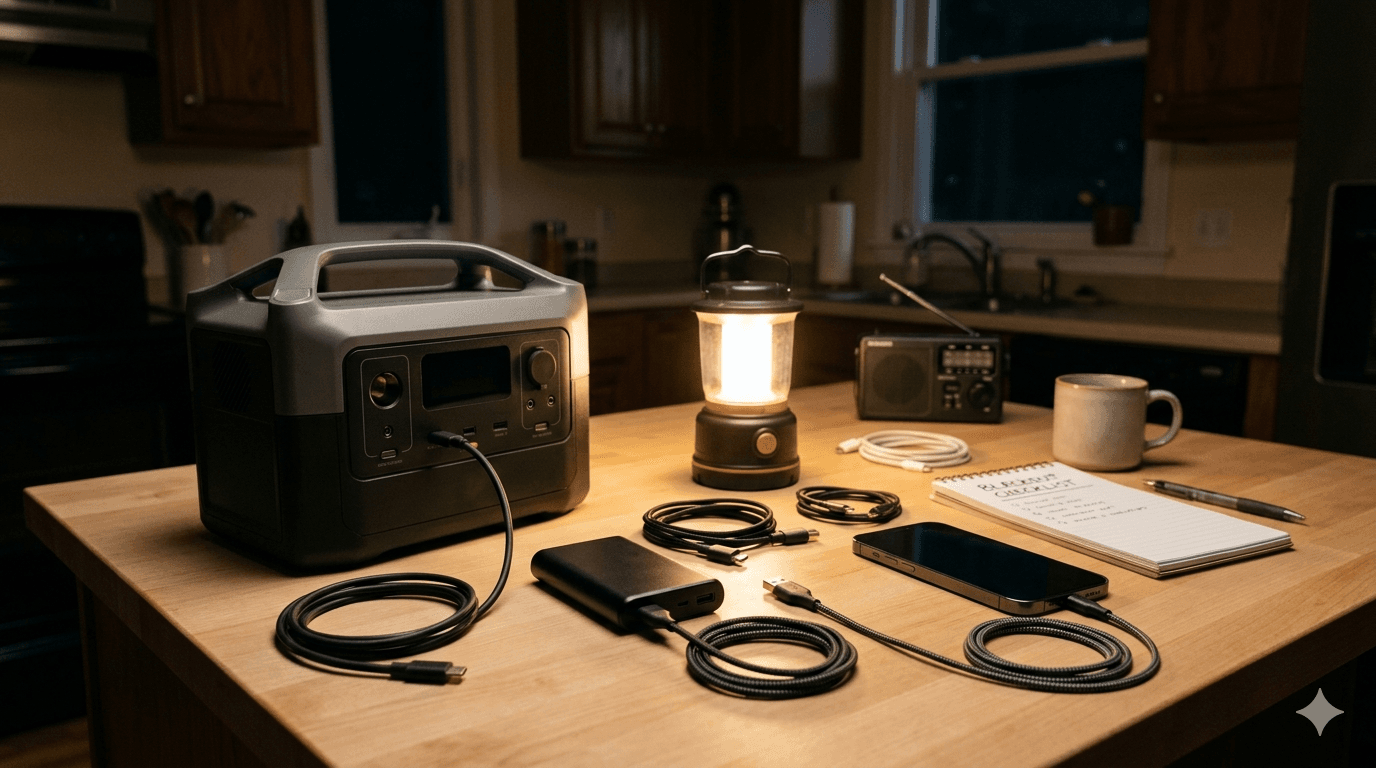
Buy a power bank first when the goal is charging phones, headlamps, radios, and other small USB devices. Choose a portable power station when measured loads require more watt-hours, higher output, DC connections, or an AC outlet. Size either option using actual device demand, expected hours, conversion losses, and startup surge—not the largest number on the product page.
A power bank and a portable power station solve different outage problems. A power bank is the practical first purchase for phones and small USB devices. A portable power station becomes useful when you have measured loads that require more stored energy, higher-power USB ports, DC output, or an AC outlet. Buying the larger battery first can waste money if the real need is simply communication and lighting.
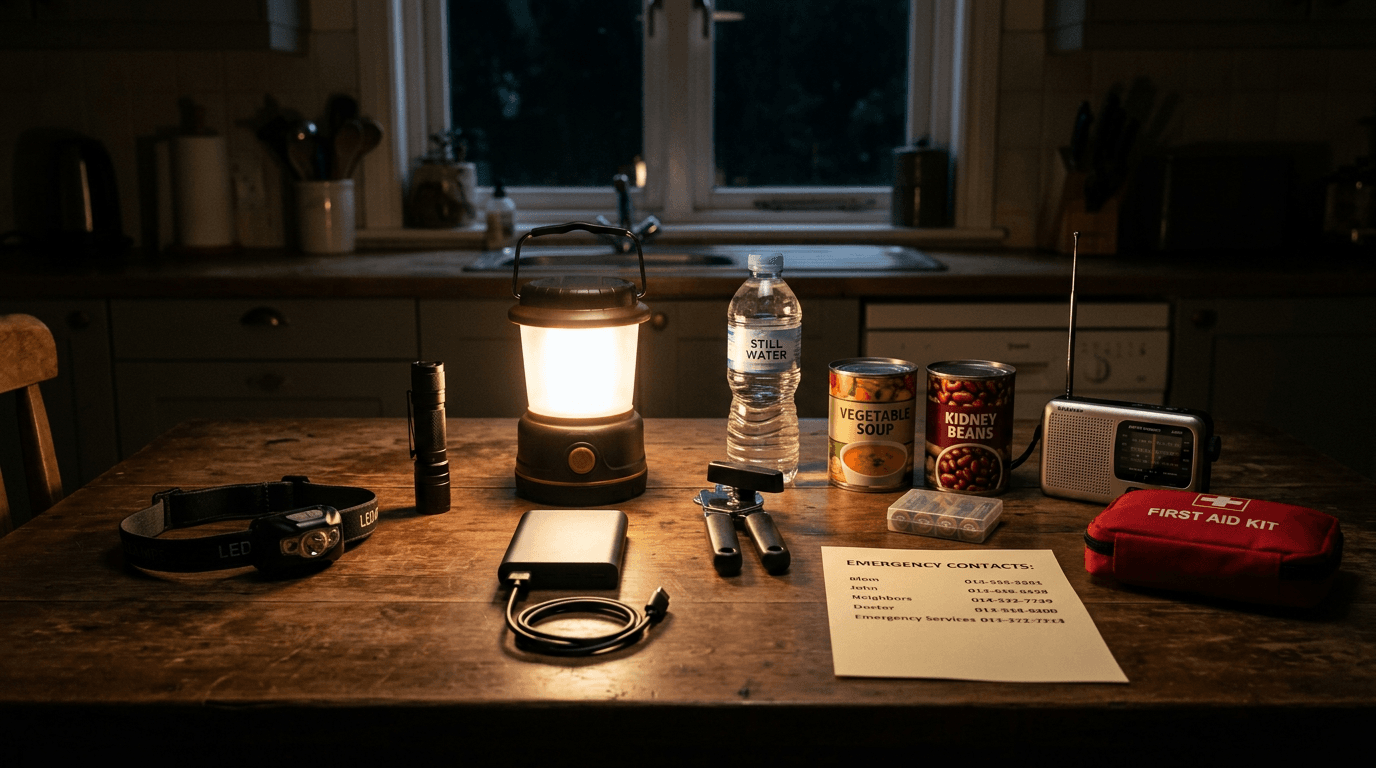
Start with the essentials in a home power outage kit: water, food access, safe lighting, emergency information, charged phones, and a plan for medically necessary equipment. Backup electricity supports that plan; it does not replace it.
Power bank vs portable power station at a glance
Choose a power bank for phones, headlamps, small radios, tablets, and other USB-powered devices.
Choose a portable power station when a measured load needs more watt-hours, an AC outlet, or higher continuous and surge output.
Buy neither by capacity alone: confirm ports, output limits, usable energy, recharge method, battery condition, and manufacturer support.
For refrigeration, pumps, medical devices, or heating equipment, verify startup requirements and approved backup guidance before purchasing.
What a power bank does well
A power bank is compact, relatively inexpensive, and easy to place in a blackout kit, go-bag, desk, or travel pouch. Most are designed around USB charging, making them suitable for phones, rechargeable lights, small radios, and similar electronics. Several smaller banks can also provide redundancy: one can fail or travel with a family member without removing the entire household reserve.
Power-bank listings often emphasize milliamp-hours, or mAh. That number is difficult to compare across devices unless the underlying voltage is also known. Watt-hours are more useful because they describe stored energy. When both are provided, use watt-hours for a more direct comparison and remember that cable, voltage-conversion, and device-charging losses reduce what reaches the phone.
Check that the bank supports the charging standard and cable your devices require. Recharge it on a schedule, inspect it for swelling or damage, and do not store it in prolonged heat such as a sun-baked vehicle.
As an Amazon Associate we earn from qualifying purchases. Full affiliate disclosure
Product notes
Selected products named in this guide
Selected products named in this guide, not a ranking or a complete list. Buy any of them elsewhere if you prefer.
Phone-level backup
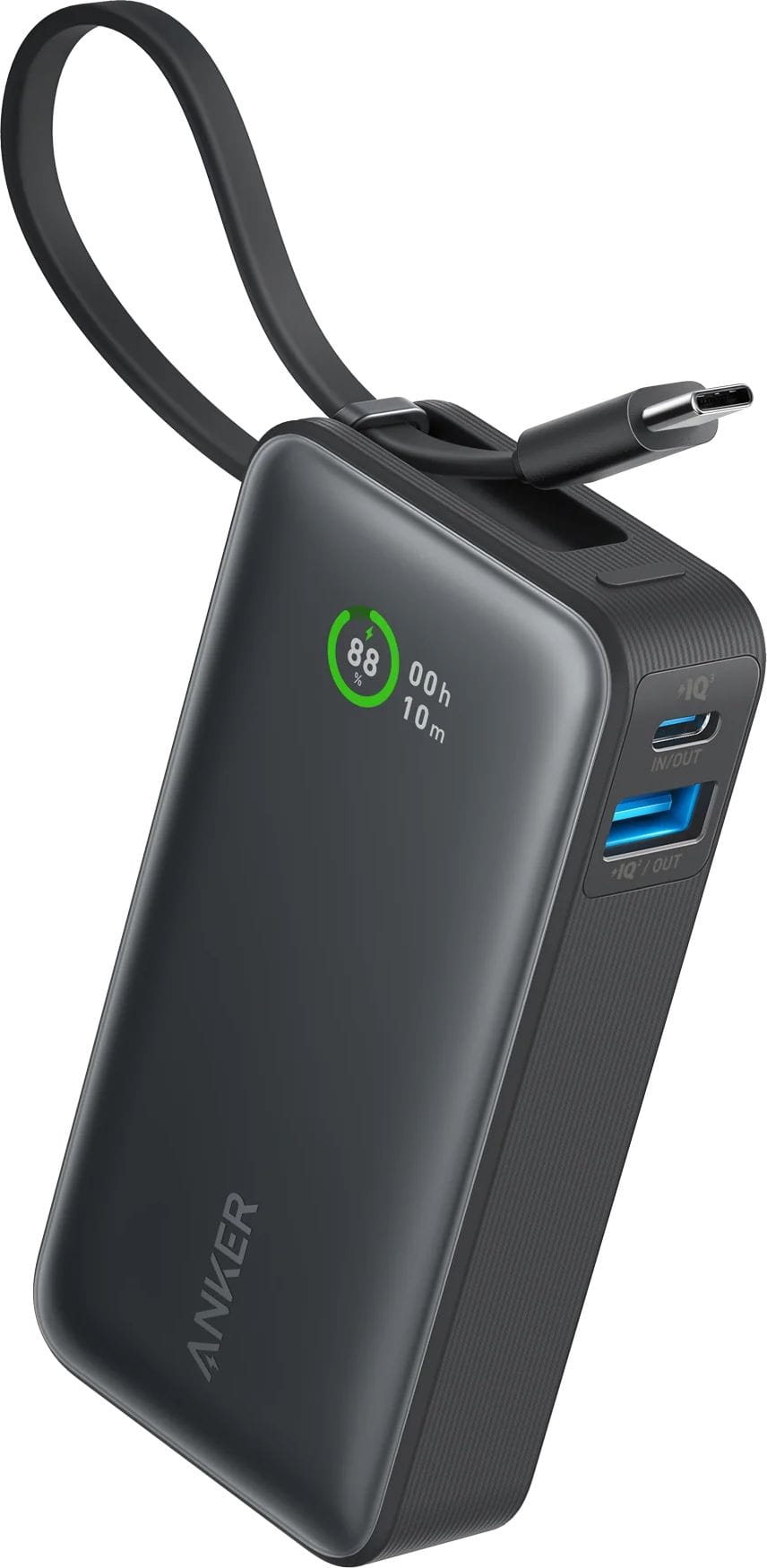
Anker Nano Power Bank A1259 (30W, Black Stone)
A 10,000mAh power bank with a built-in USB-C cable and up to 30W single-port charging.
Limitation: Not a substitute for a larger power station. The 30W figure is for a single output; simultaneous multiport output is limited to 24W per Anker.
Larger measured loads
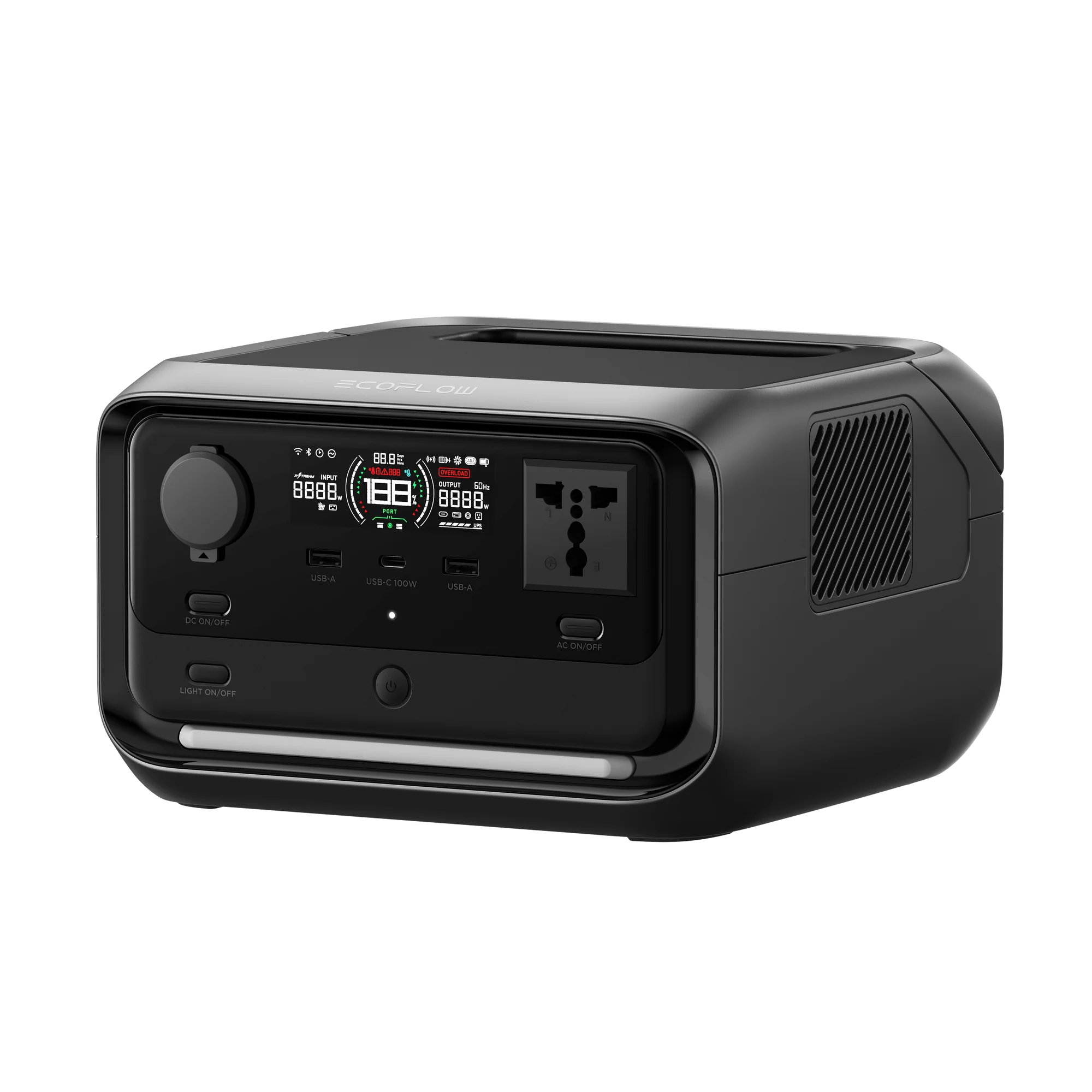
EcoFlow RIVER 3 Plus
A portable power station with AC and USB outputs for equipment that fits within its documented limits.
Limitation: Its rated AC output is 600W. X-Boost is not 1,200W of continuous rated output.
What a portable power station adds
A portable power station combines a larger rechargeable battery with charging electronics and multiple outputs. Depending on the model, those outputs may include AC receptacles, USB-C power delivery, USB-A, and regulated DC connections. This makes the unit useful for laptops, network equipment, lights, fans, communications gear, and certain appliances that remain within its ratings.
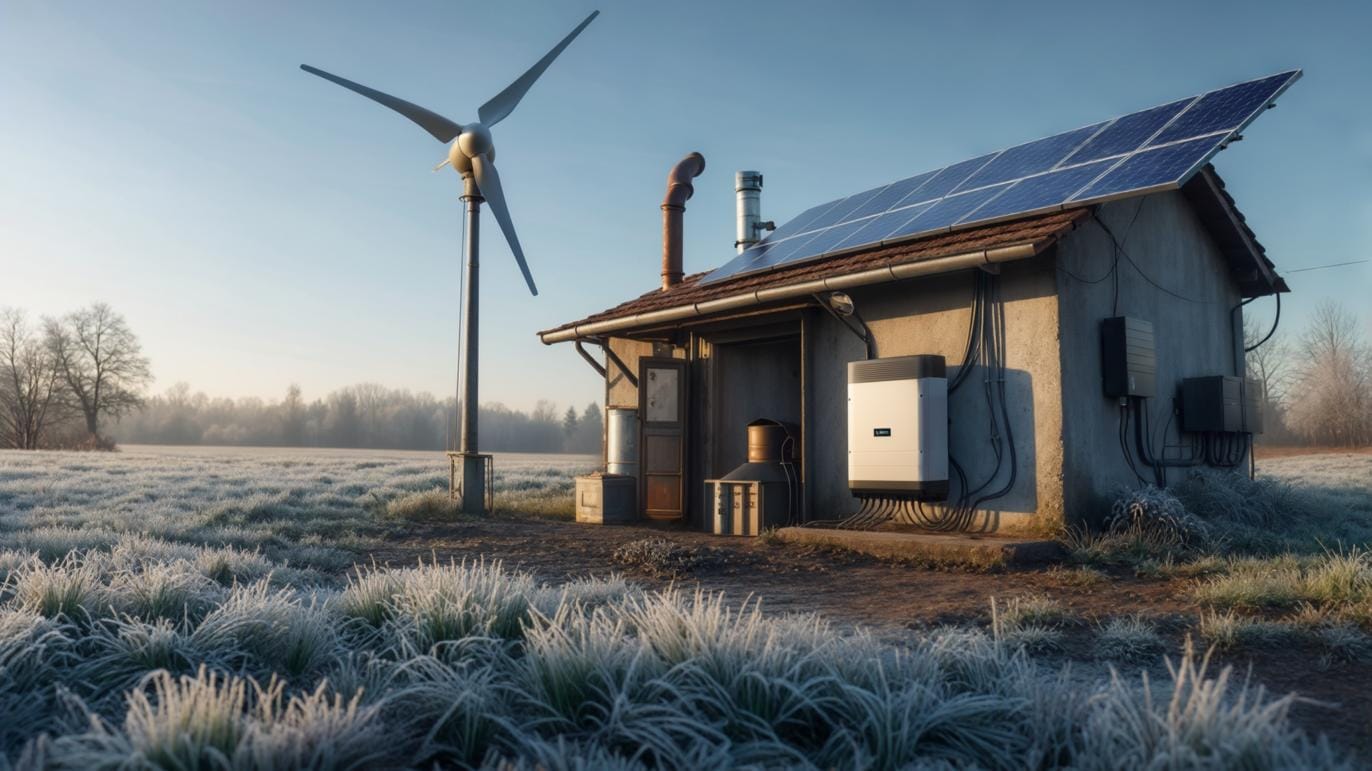
A power station stores electricity; it does not create energy. It must be recharged from the grid, a vehicle connection, compatible solar equipment, or another supported source. Products marketed as “solar generators” are usually battery power stations sold with, or designed to accept, solar panels. The panel is the generating component.
Using a battery power station indoors according to its instructions avoids the carbon-monoxide exhaust of a fuel generator. It is still an electrical and lithium-battery product, however, and requires ventilation clearance, dry conditions, compatible loads, and attention to overheating or physical damage.
Use watts and watt-hours to size the battery
Watts describe how much power a device uses at a moment. Watt-hours describe energy used over time. Multiply the device’s watts by the hours you expect to run it. For example, a device drawing 20 watts for five hours represents about 100 watt-hours of load before conversion losses.
Add all essential devices, then include a reasonable margin for inverter losses, battery-management limits, temperature, battery age, and uncertainty. Do not treat the full advertised capacity as guaranteed usable AC energy.
The inverter rating is a separate limit. Its continuous output must cover the devices running together, and its surge rating must accommodate compatible motors or compressors starting. A battery may contain enough energy for a task but still shut down if the load exceeds its output rating.
Can a portable power station run a refrigerator?
Possibly, but the word “refrigerator” does not provide enough information. Appliance size, age, ambient temperature, door opening, compressor startup, and defrost cycles all affect demand. Measure the refrigerator with a plug-in energy meter while grid power is available, check the appliance label and manufacturer guidance, and compare both running and startup requirements with the power station’s ratings.
Food safety also depends on temperature and outage duration, not merely whether the compressor can be powered occasionally. Keep doors closed and follow official food-safety guidance rather than guessing from battery percentage.
What about routers, CPAP machines, and medical equipment?
Routers and modems may be modest loads, but internet service can still fail upstream during a regional outage. Test whether both pieces of network equipment are required and whether the provider remains operational without neighborhood power.
Do not assume a consumer power station is automatically appropriate for a CPAP machine, oxygen concentrator, refrigerated medication, or another medical need. Confirm power requirements, adapters, humidifier settings, alarm behavior, and backup procedures with the device manufacturer, supplier, clinician, or care team. Identify a powered destination before the battery reaches its limit.
Recharging during a longer outage
Grid charging is usually the simplest way to prepare before a winter storm. Vehicle charging may help if it is supported by both the vehicle and power station, but never idle a vehicle in a garage or partly enclosed space. Keep exhaust away from doors, windows, vents, tents, and occupied areas.
Portable solar can extend a battery system when panel voltage, connectors, controller limits, and power-station input requirements are compatible. Actual solar output changes with clouds, shade, season, latitude, panel angle, temperature, and cable losses. Test the complete charging chain before the outage and do not plan around receiving the panel’s nameplate output all day.
For a broader comparison of charging and generation options, see 7 backup power options after a disaster.
Battery safety and storage
Follow the manufacturer’s charging, ventilation, temperature, and storage instructions.
Stop using a battery that is swollen, punctured, unusually hot, smoking, leaking, or producing an unusual odor.
Keep the unit dry, protect ports from conductive debris, and avoid damaged or mismatched adapters.
Store the correct cables with the battery and check its charge before storm season or travel.
Do not cover the unit or block cooling openings while charging or powering a load.
Use a fuel generator only outdoors and follow carbon-monoxide and backfeed precautions.
If a fuel generator is part of the plan, review the generator carbon-monoxide safety checklist before the outage.
A practical buying checklist
List the devices that truly need power and rank them by consequence of failure.
Record running watts, expected daily hours, and startup surge where applicable.
Compare usable watt-hours rather than relying only on mAh or a product name.
Check continuous output, surge output, port types, recharge inputs, warranty, and replacement support.
Confirm that the battery can be lifted, stored, and operated safely in your home.
Perform a full practice test with the actual cables and devices before depending on it.
Current examples are the Anker Nano 10K 30W power bank for phone-scale backup and the EcoFlow RIVER 3 Plus for larger measured loads. EcoFlow specifies 600W rated AC output; its 1,200W X-Boost figure is not continuous rated output. You can also compare USB power banks that match your phone and cable or portable power stations sized for measured outage loads. These are affiliate links; The Survival Nexus may earn a commission from qualifying purchases. Product examples are based on manufacturer specifications, not TSN hands-on testing.
Which should you buy first?
For most households, buy a reliable phone power bank first. It is inexpensive, portable, and directly supports alerts, calls, messages, maps, and access to emergency information. Add another bank when several people need independent charging.
Move to a portable power station only when you can name and measure the equipment it must run. The larger unit makes sense for a defined combination such as communications, work equipment, lighting, or tested refrigeration—not because “emergency power” appears on the box.
Use the free Home Power Outage Starter Checklist to find lower-cost gaps before spending hundreds on stored electricity. The right system is the smallest tested setup that safely keeps your essential services working.
Editorial note
Actual runtime depends on measured device demand, battery condition, inverter losses, temperature, and operating pattern. Confirm medical-equipment backup with the manufacturer, supplier, and care team. Follow manufacturer instructions and official guidance for battery handling, vehicle charging, and generator safety.
Article recap
- Choose a power bank for phones and other small USB devices; choose a power station when measured loads need more energy or an AC outlet.
- Compare watt-hours, continuous output, surge output, ports, recharge inputs, and manufacturer support—not marketing names alone.
- A power station stores electricity and must be recharged; a solar panel or fuel generator supplies new energy.
- Test refrigerators, network equipment, cables, and recharge methods before an outage instead of relying on advertised runtime.
- Medical equipment requires manufacturer- and care-team-approved backup planning, plus a powered destination if the battery is exhausted.
Selected productsSelected products in this guide
In the order it appears above.Reference list, in the order it appears above.
- View on Amazon
Anker Nano Power Bank A1259 (30W, Black Stone)
- View on Amazon
EcoFlow RIVER 3 Plus
Only articles that already name products get this block. Affiliate disclosure
Sources and further reading
- Ready.gov: Power Outages — accessed Aug 2026
- CPSC: Carbon Monoxide Information Center — U.S. Consumer Product Safety Commission, accessed Aug 2026
- FoodSafety.gov: Food Safety During a Power Outage — FoodSafety.gov, accessed Aug 2026
Read next
Questions readers askFrequently asked questions
A power bank is a small battery mainly designed for USB-powered devices such as phones, headlamps, and small radios. A portable power station has much greater energy capacity and usually adds AC outlets, higher-power USB ports, and DC outputs. The power station can support more demanding devices, but it costs more, weighs more, and still must be sized for both runtime and startup surge.
Possibly, if the power station’s continuous and surge ratings exceed the refrigerator’s requirements and its usable watt-hours are sufficient. Measure the refrigerator with a plug-in energy meter when grid power is available, check the appliance label and manufacturer guidance, and leave extra capacity for compressor startup and conversion losses.
List each essential device’s watts and expected daily hours, then multiply watts by hours to estimate watt-hours. Add the devices together and include a practical margin for inverter losses, battery limits, and startup surges. Medical devices require a manufacturer- and clinician-approved outage plan rather than an informal estimate alone.
Comments
Leave a comment
No comments yet. Be the first to comment!