Gear guides
A Small Get-Home Bag and a Safer Plan for a Disrupted Commute
A cancelled train can leave you needing to collect a child, reach medicine or find transport for a mobility aid. A small get-home bag helps, but it cannot te...
Quick answer
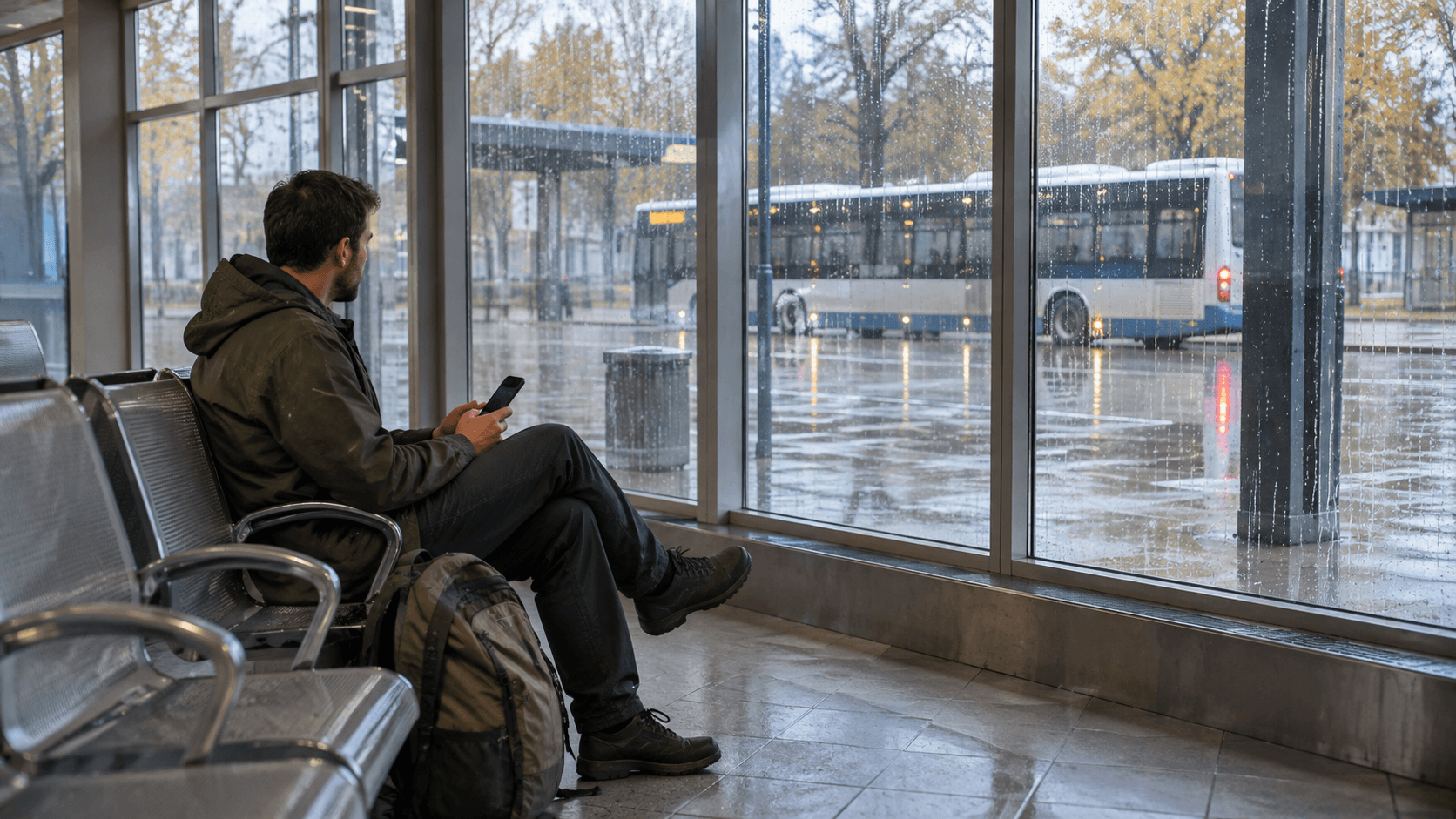
Check official alerts and staff instructions before changing your journey. Choose among waiting safely, sheltering nearby, confirmed alternate transport, trusted pickup or a suitable walk. Keep phone power, contacts, light, weather protection and personal care essentials with you. Home is not automatically the safest destination.
Affiliate disclosure
This article may contain affiliate links. If you buy through these links, The Survival Nexus may earn a commission at no extra cost to you. We recommend product categories and buying criteria that fit the emergency scenario described. Read our disclosure.
A cancelled train can leave you needing to collect a child, reach medicine or find transport for a mobility aid. A small get-home bag helps, but it cannot tell you whether home is reachable or safe.
Build your commuter emergency plan around five options: wait, shelter nearby, use another service, arrange a trusted pickup or walk if the journey is suitable. The bag supports whichever option works. It is not a commitment to finish the commute on foot.
Start with your location, not your destination
Check your operator's official alerts, staff instructions and local emergency warnings. A service suspension is not permission to leave a vehicle yourself. MTA advises against leaving a vehicle on your own merely because service stops. For an immediate threat inside a subway or rail car, its guidance says to move to another car; on a bus or paratransit vehicle, wait for a complete stop before exiting. Follow your own operator's instructions and posted emergency procedures; tell staff if you need assistance.
If your location is unsafe, seek appropriate protection and help. Do not return for a bag. If home is affected by an evacuation order or another hazard, choose a suitable alternative rather than trying harder to reach it. A relative's home is useful only if you can reach it safely and someone confirms you can stay.
Tell a trusted contact where you are, your destination, travel plan and next check-in. Say if the plan is uncertain. Keep numbers on paper; our guide to communication when cell service fails covers backup options.
Choose among five workable options
Wait for service when your current place remains safe and available. Find the next official update, somewhere suitable to sit and access to toilets if needed. Judge the delay against your care needs and the building's opening hours. A restoration estimate is not a promise, and there is no universal number of hours after which walking becomes sensible.
Shelter nearby when conditions make travel unsafe or officials direct you to take protection. Confirm that the building is open, appropriate to the hazard and usable for your needs. When you hear thunder, NWS advises moving immediately to a substantial building with electricity or plumbing, or an enclosed, metal-topped vehicle with windows up. Stay in safe shelter for at least 30 minutes after the last thunder. A station canopy is not equivalent. Reassess if the place itself becomes unsafe.
Try confirmed alternate transport. Check the boarding point, destination, fares and accessibility or elevator disruption. WMATA illustrates combining rail to another station with a bus toward home. Investigate such options, but do not assume replacement transport is available.
Arrange a trusted pickup at a specific, lawful and reachable place outside closures. Agree who is driving, how you will recognize each other and what happens if contact fails. Confirm space for mobility aids and any transfer assistance you need. Do not ask a driver to enter a hazard, cross a cordon or stop on an unsafe shoulder just to shorten your wait.
Walk only when the whole permitted pedestrian route and the destination are suitable. Consider current weather, daylight, closures, footwear, load, health and access needs, plus somewhere to stop or change the plan. Do not use tracks or restricted land as shortcuts. Never walk or drive through floodwater or bypass barricades. Distance alone cannot establish whether a journey is safe, and a route you drive may not work on foot.
Pack for a delay, not a forced march
Use a bag or carry arrangement that works with your clothing and mobility equipment. Start with what you own, prioritizing information, light, personal care and comfort during a delay.
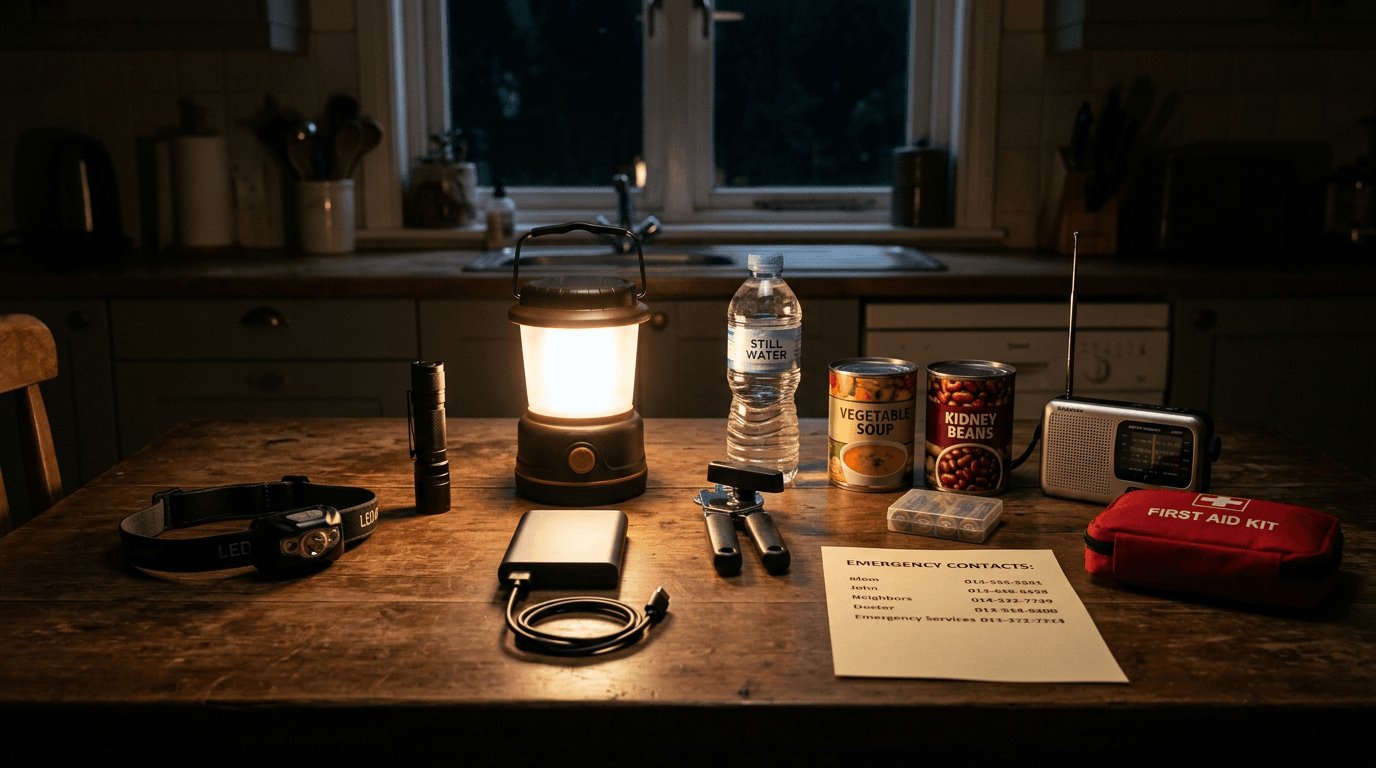
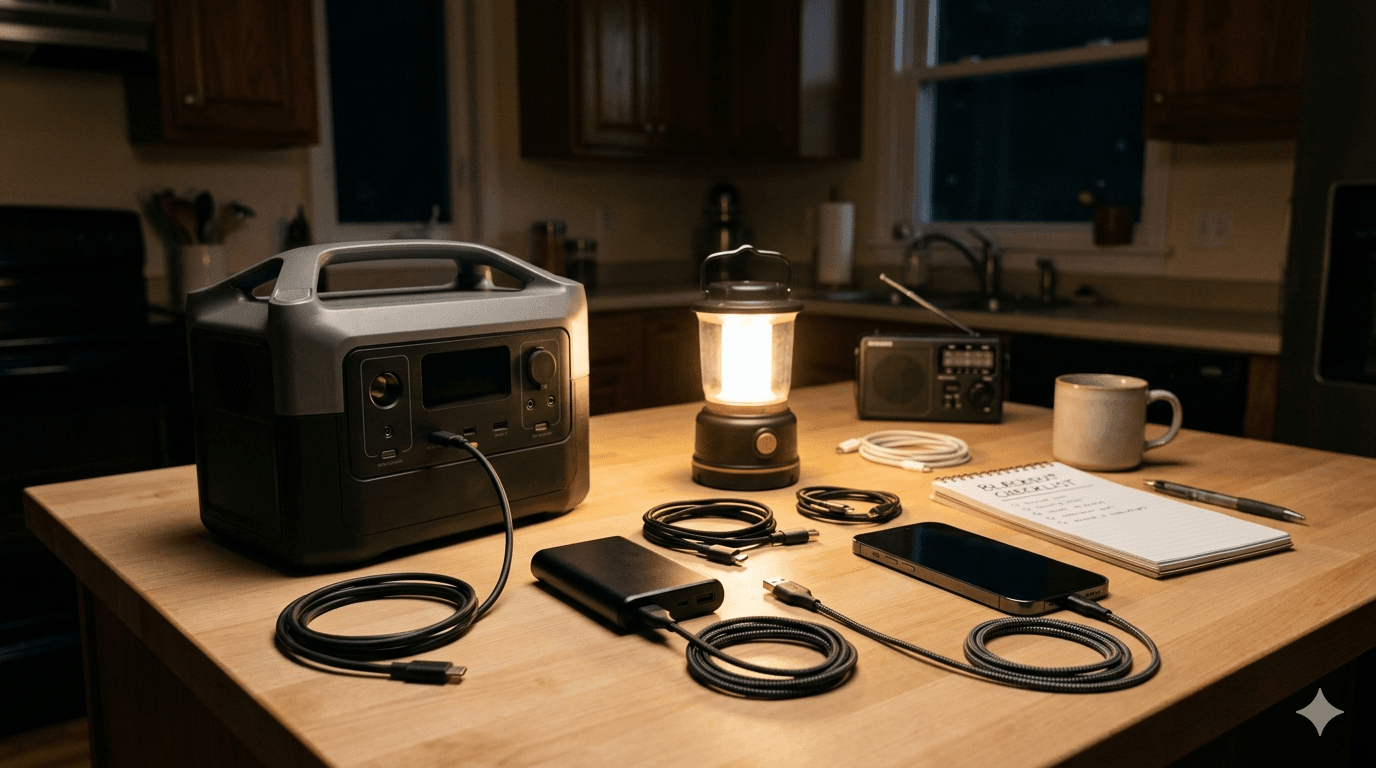
For information, carry your phone, a charged compatible power bank, the correct cable, paper contacts and a small route packet. As an Amazon Associate, we earn from qualifying purchases. If you need phone power, the Anker Nano A1259 power bank is one option to compare. Its built-in cable is USB-C, which does not fit every phone. Check your actual connection; do not assume a phone bank can power essential medical equipment.
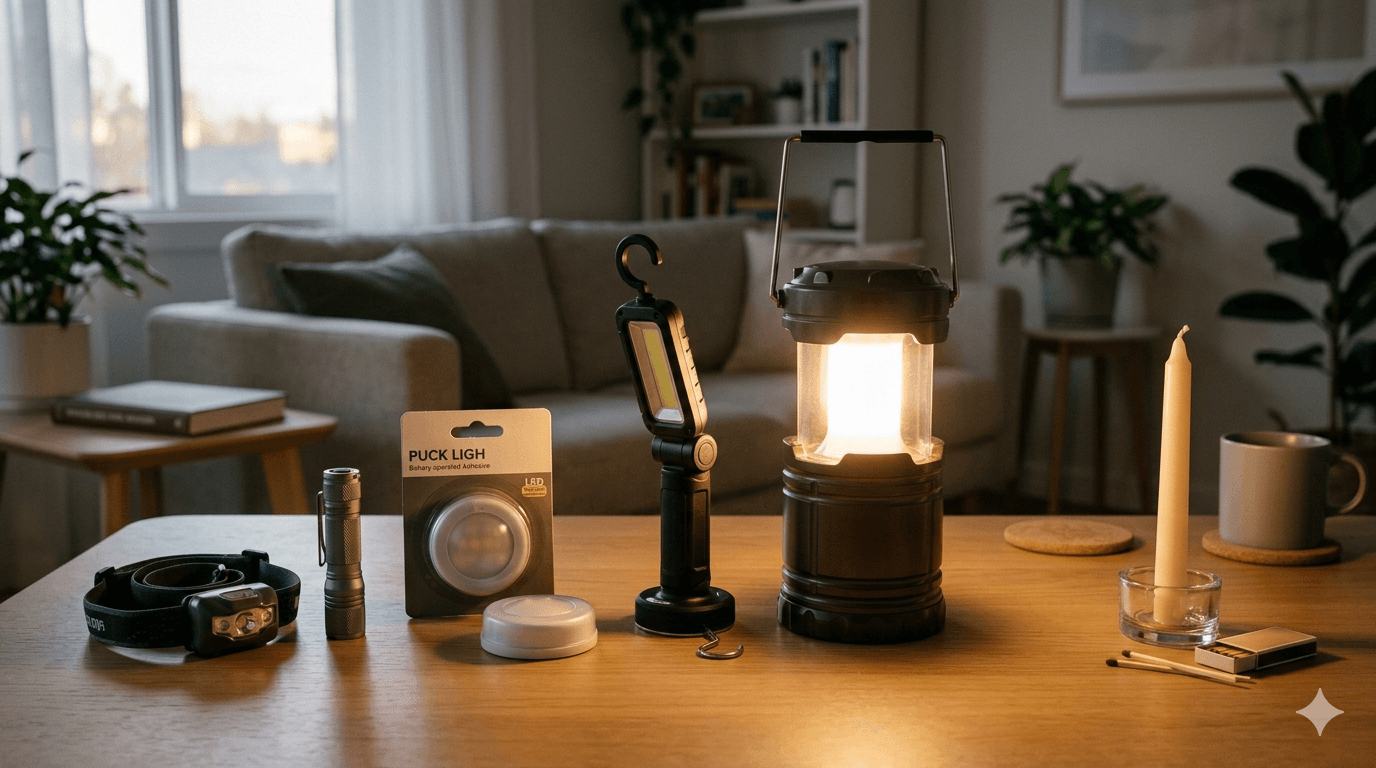
For light, a small torch or headlamp lets you read a card or find supplies without relying on your phone. The Petzl TIKKINA E060AB00 headlamp is a hands-free example supplied with three AAA batteries. It does not replace required road or bicycle lights, and a light does not make a walking route safe. These examples are based on manufacturer information, not our hands-on testing. Check current safety notices for the exact model you own.
Carry drinking water and familiar ready-to-eat food in amounts you can manage, based on your needs, conditions and reliable access. Do not count on an open shop or fountain. Add a rain layer, seasonal protection and comfortable socks or footwear; hiking boots are not a requirement.
Include glasses, hearing or communication supplies, hygiene items and first-aid supplies you know how to use. Plan medicines and storage with your clinician or pharmacist, including delays away from home. A medicine list and care contact help explain needs but do not replace your medicine or care plan. Protect ID, keys, fare medium and backup cash. Cash does not guarantee a ride or reopen a closed service.
Divide supplies between you, work and the car
Keep contacts, phone power and essential personal supplies with you. A kit in an inaccessible office, locker or parking garage cannot help at a closed station.
With workplace permission, keep a separate reserve of food, water, suitable shoes, layers and personal necessities. Ready.gov recommends preparing to shelter at work for at least 24 hours. That is workplace planning, not an instruction to carry a day's entire reserve on every journey. Confirm access after hours and where staff are allowed to wait; do not assume permission to sleep at work.
If you drive, keep route-appropriate seasonal supplies in the vehicle, but do not make it your only store. USFA warns against keeping lithium-ion batteries in hot cars. Keep medicine within its labeled storage conditions, too. Follow manufacturer charging instructions and charge while awake and present, not overnight. Our power-bank safety guide explains charging and storage precautions. A parked car is not suitable shelter for every hazard or temperature.
Make the plan usable on an ordinary day
Identify official alerts, an alternative with a different bottleneck, and a confirmed host or pickup point. Our local emergency map guide helps prepare a paper and offline packet. Saved maps cannot confirm current closures or services. Open the material without data and check your phone cable and light normally.
Agree backup care before you need it. Check school or daycare rules for authorized pickup, and discuss who can assist an adult dependent if you are delayed. Make sure the person accepting that role knows how to reach you and can actually help.
Suppose trains stop while thunder is audible. You use a mobility aid and have a child due for collection. Rather than start walking, you remain in a suitable safe building, tell staff about access needs and contact the authorized backup collector. You compare a confirmed accessible service with a trusted driver's suitable pickup. If neither is available, ask staff about assistance and confirm somewhere safe to remain while you keep checking conditions and instructions. If you face immediate danger or an urgent medical need, seek emergency help rather than treating it as a routine delay.
Agree who to contact and where you could safely go instead of home. Pack to support that choice.
Editorial note
This guidance draws on official emergency, transit and workplace planning advice. Follow current local instructions and your operator’s procedures. Adapt transport and supplies to your access and care needs. Product examples use manufacturer information, not hands-on testing; they are optional, and equipment you already own may serve the same purpose.
Article recap
- A disrupted commute has five possible responses. Walking home is only one, and it may not be suitable.
- Confirm transport, accessibility, pickup arrangements and a safe destination before setting off.
- Keep essential contacts and personal supplies with you; use workplace and vehicle reserves as supplements.
- Agree backup care and authorized dependent pickup before a delay happens.
- A phone bank and headlamp support decisions. They do not make a hazardous route safe.
Sources and further reading
- Ready.gov: Build a Kit — Ready.gov, accessed Aug 2026
- Incident and emergency preparedness at the MTA — Metropolitan Transportation Authority, accessed Nov 2026
- Alternate routes home — Washington Metropolitan Area Transit Authority, accessed Nov 2026
- During a Flood — National Weather Service, accessed Nov 2026
- Lightning Tips — National Weather Service, accessed Nov 2026
- Ready.gov: People with Disabilities
- Personal Workplace Emergency Plan — National Emergency Management Agency (New Zealand), accessed Nov 2026
- US Fire Administration: Battery Fire Safety
- Anker Nano Power Bank (30W, Built-In USB-C Cable) — Anker, accessed Nov 2026
- TIKKINA — Petzl, accessed Nov 2026
Read next
Questions readers askFrequently asked questions
No. Check staff instructions, official service updates and local warnings first. A service suspension alone is not a reason to leave the vehicle yourself or enter tracks. For immediate danger inside it, follow your operator’s posted emergency procedures, alert staff and seek emergency help; MTA advises moving to another rail car, or waiting for a bus or paratransit vehicle to stop completely before exiting. Consider a safe wait, nearby shelter, confirmed alternate transport or trusted pickup. Walk only if the whole permitted route, conditions, destination and your personal needs make it suitable.
Prioritize your phone and compatible backup power, paper contacts, a small light, drinking water, familiar food, seasonal protection, payment options and personal care essentials. Adapt the contents to your journey and care plan. It is not a household kit or a reason to carry supplies you cannot manage.
Keep core essentials with you in a carry arrangement you can use comfortably. With permission, store extra food, water, layers and suitable shoes at work for a longer stay. Check after-hours access. Supplies locked in an office, locker or car may be unavailable when service stops.
Plan suitable accessible transport, a trusted pickup or an appropriate place to remain before a disruption. Discuss medicine supply and storage with your clinician or pharmacist, and keep care contacts available. Do not assume a phone power bank can run medical equipment. Seek emergency help for immediate danger or an urgent medical need.
Comments
Leave a comment
No comments yet. Be the first to comment!