Power outages
What the Pentagon’s FORTRESS Plan Means for Household Preparedness
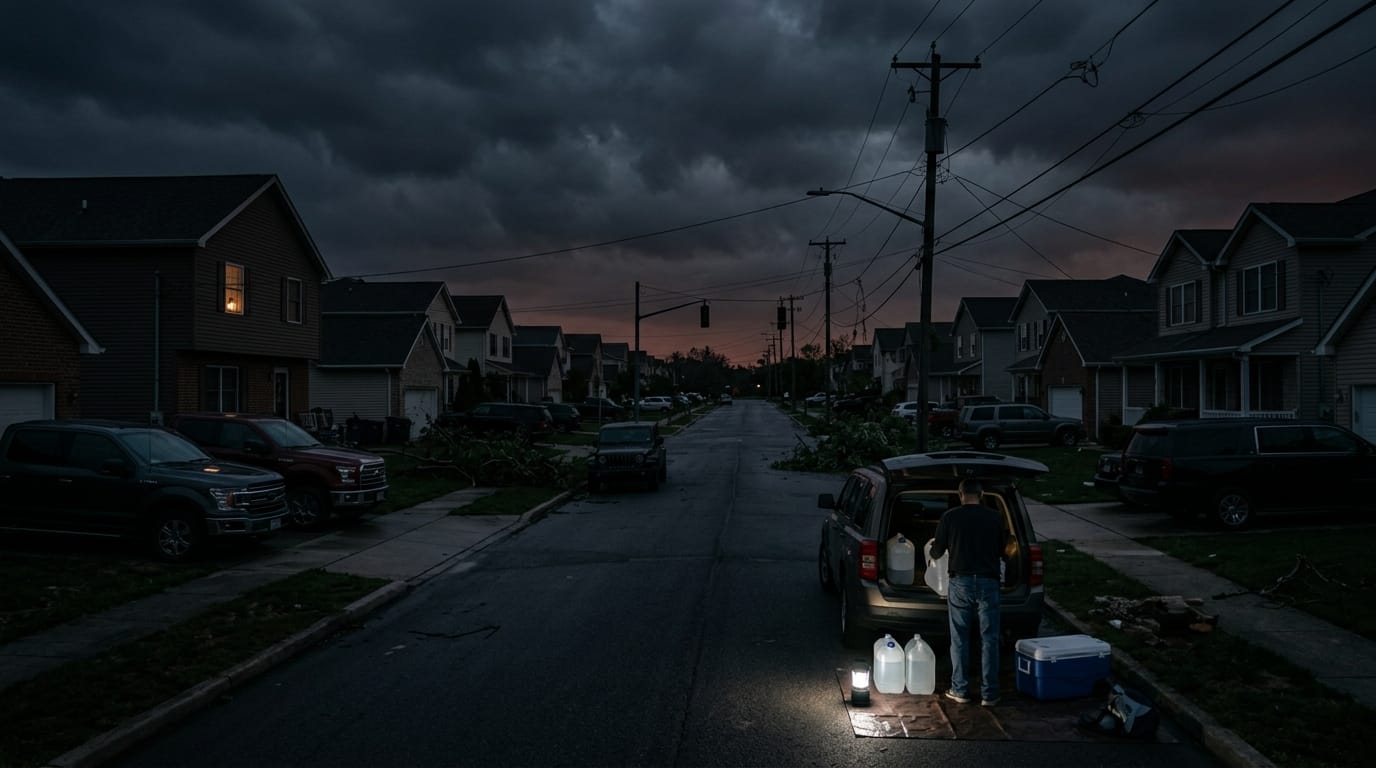
If the power went out and mobile data became unreliable, which part of your household routine would stop working first? Making breakfast, getting drinking wa...
Quick answer
Borrow FORTRESS’s resilience principle, not a military stockpile duration. Fox News reported a 90-day essential-operations standard for major military installations in the continental United States; Snopes said that detail remained unconfirmed. For your home, map six essential needs, identify shared dependencies, and improve the weakest fallback first, including assistance or a safer destination.
If the power went out and mobile data became unreliable, which part of your household routine would stop working first? Making breakfast, getting drinking water, reaching a relative, or keeping essential care going?
That is a more useful question than whether your pantry matches a military stockpile. The Pentagon’s FORTRESS America initiative offers a reason to look at dependencies: what an essential task relies on, and what happens when that support disappears. For a household, the goal is not to become a self-contained military base. It is to keep people safe and know when to get help or leave.
What FORTRESS actually means
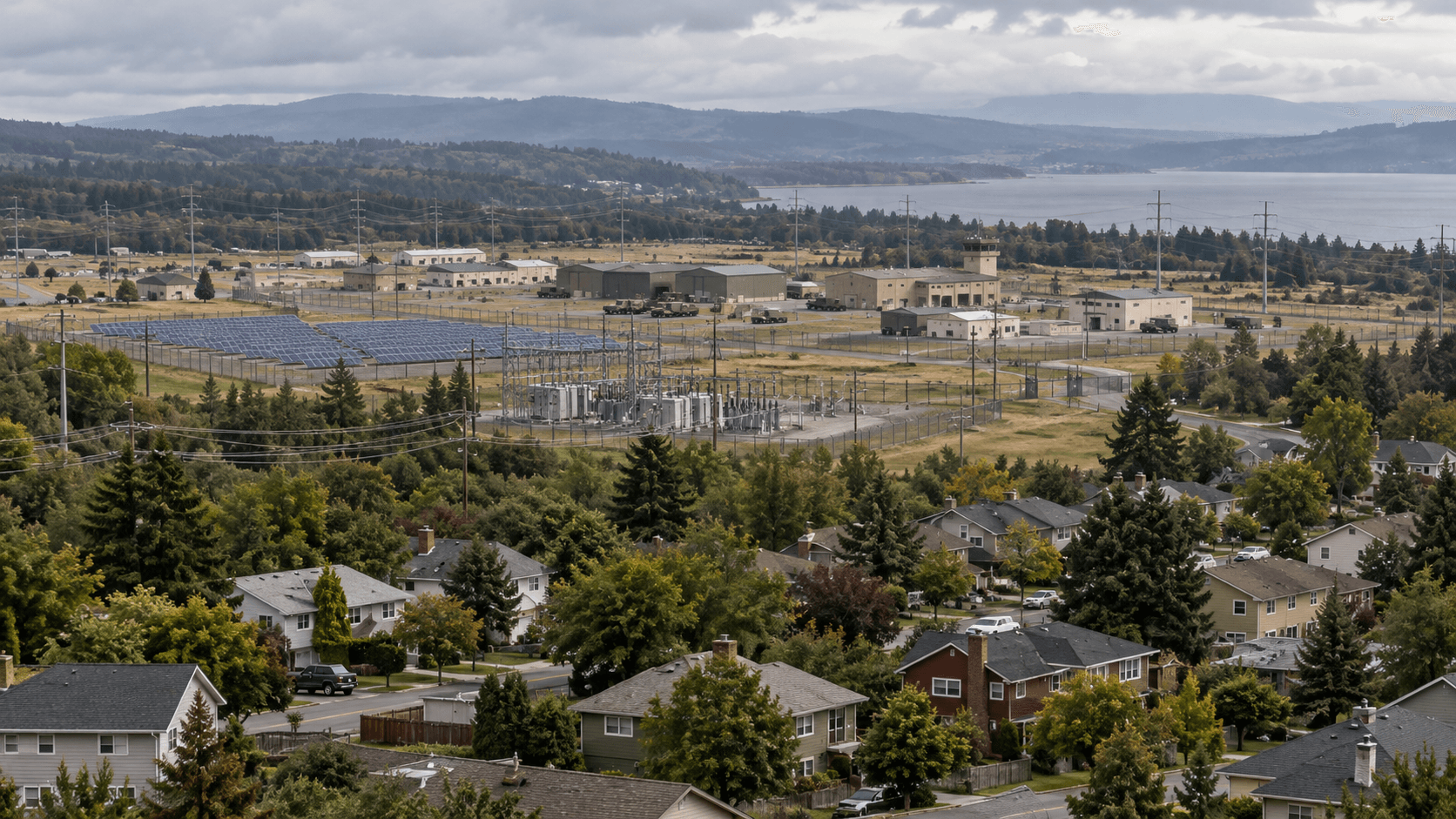
The U.S. Army’s official coverage describes FORTRESS America, short for federal operations for resilience, troop resources, energy, supply and survivability. Announced in a September 30, 2026 address, it includes eventual independent installation power, hardening installations, and bringing critical supply chains home. Those are intended capabilities, not evidence that every base already has them.
On October 25, Fox News reported, citing documents it reviewed, that major military installations in the continental United States would be expected to sustain essential operations independently for at least 90 days, including electricity, water, fuel and communications.
The distinction matters: the initiative is confirmed, but the reported duration needs attribution. An October 26 Snopes fact-check called the 90-day requirement undetermined, noting that official confirmation of that detail remained outstanding. It is not a verified 90-day household stockpiling recommendation or a timetable for a civilian emergency.
Borrow the principle, not the military target
A military installation aims to preserve essential operations. Your household needs safe water, suitable food, usable information, continuity of care, and somewhere safe to be. An agreed ride to a suitable destination can be a better fallback than trying to keep everything running at home.
Ready.gov’s household planning guidance emphasizes individual needs, communication, assistance networks and evacuation arrangements. Use those needs and your local hazards to shape your plan, rather than treating a reported military duration as a shopping target.
A backup only helps if someone can use it and it does not depend on the same thing that failed.
Audit six needs, not six piles of equipment
On paper, make six rows: water, food, light and power, communications, health, and support. These are planning prompts, not an official FORTRESS household framework.
For each row, note the task, dependency, fallback, shared failure, intended user and next action. Mark it “known,” “needs confirmation,” or “missing,” not “ready.” Example: you need to reach family; two messaging apps both need mobile data; agree an offline meeting plan instead.
Water: can everyone reach and use it?
If tap service stops, what will you drink and use for basic hygiene? A filter alone does not answer that question if there is no available water source. Stored water also needs to be somewhere the intended person can reach and manage.
CDC recommends at least 1 U.S. gallon (about 3.8 liters) per person per day for three days, and trying for two weeks if possible. Needs can increase with illness, pregnancy, pets or hot weather. This is guidance for building a supply, not a promise about service restoration. Our apartment water-storage guide covers the space and lifting questions in more detail.
Food: does a familiar meal need another service?
Name a meal everyone can eat without refrigeration or cooking. Does opening it require an accessible manual opener? Does preparing it consume water already counted for drinking? Include dietary requirements, infant needs and pets rather than assuming one menu fits everyone.
Keep the fallback separate from decisions about food already in the refrigerator. CDC says never to taste food to determine whether it is safe. Follow food-safety guidance rather than making a meal plan depend on questionable leftovers.
Light and power: which tasks actually need electricity?
List tasks before devices: moving safely, receiving information, charging a phone, or supporting prescribed care. Which can use a non-electric alternative?
Look for shared dependencies. If several fallbacks all require the same battery, missing cable or inaccessible storage location, note that weak link. CDC’s power-preparedness guidance includes lighting, radios, alarms and medical equipment. Do not assume an ordinary phone power bank can support a medical device.
Communications: are the backups really independent?
Two messaging apps are not independent fallbacks if both need the same unavailable mobile data connection. A charged phone also does not establish that the network will work.
Write down contacts, agreed check-ins, a meeting place, and official information sources. Our guide to what to do when cell service goes down expands the communication options.
Health: what cannot safely wait?
Identify care, medication storage, handwashing, toilet and sanitation needs, mobility, and safe indoor temperature needs that could become urgent. Locate the individual care plan and provider or equipment-supplier contacts. If home conditions become unsafe, where is an appropriate destination, and how would you get there?
Arrange treatment and powered-device continuity with the relevant care team or supplier. Do not interrupt care to explore a scenario or improvise medication changes. A general household inventory cannot establish safe medical backup capacity.
Support: has anyone actually agreed to help?
A name in your phone is not yet an arrangement. Ask what help someone can provide, how you would reconnect, and what happens if they also lose power or cannot travel. Where feasible, identify another contact or destination.
Record access needs, transport, pets, and who knows the plan if its organizer is absent. Assistance and relocation are valid fallbacks, not failures.
Fix the weak link before buying more of the strong one
Start with the consequence of failure, then consider how likely the gap is and how easily you can improve it. An unresolved essential-care dependency deserves attention before another comfort item. More shelf-stable food does not solve inaccessible drinking water or an unconfirmed ride.
Ask a provider about continuity, agree a family check-in, or move supplies to accessible storage. Not every improvement requires a purchase. For equipment gaps, our guide to what power-outage supplies to buy first and what can wait keeps spending tied to a need.
Walk through one routine on paper
Choose an ordinary breakfast or morning routine. Imagine household utilities are unavailable and mobile data is unreliable, while leaving every real service operating. Ask what each person needs first, name the fallback, and identify anything that would disable both it and the normal option.
Then decide the next step if that fallback is unavailable: whom to contact, what assistance to request, and when a safer destination would be needed. Finish with one urgent fix, one low-cost improvement, an owner for each, and a date to revisit the plan.
Keep power, heating, cooling, refrigeration, alarms, pumps and medical devices running. Do not operate breakers, start generators, light flames, interrupt care, or place test calls to emergency dispatch. This is a discussion, not an outage simulation. It cannot prove battery capacity, network availability or endurance for any number of days. For separate normal-condition equipment checks, see how to check your outage kit without turning off the power.
Use the free Home Power Outage Starter Checklist as an inventory companion, then keep your dependency notes with your household plan. The useful takeaway from FORTRESS is not a bigger number of days on a shelf. It is knowing which essential need has the weakest fallback, and making that the next thing you improve.
Editorial note
The military initiative and civilian preparedness guidance serve different purposes. The reported 90-day military standard is attributed to Fox News; Snopes reported that official confirmation remained outstanding. The six-need audit is a household planning framework, not official FORTRESS doctrine. Follow local instructions and individualized medical guidance.
Article recap
- FORTRESS is a confirmed military initiative. The 90-day standard is attributed reporting, not a verified household recommendation.
- Audit water, food, light and power, communications, health, and support by task and dependency, not equipment count.
- Check whether the normal option and its fallback could fail together, and whether the intended person can use the fallback.
- Prioritize serious consequences and essential care before comfort items or more supplies for needs already covered.
- Discuss one routine on paper with all services running. A conversation does not validate equipment capacity or outage endurance.
- Agreed assistance, transport and a safer destination are useful fallbacks, not failures of preparedness.
Sources and further reading
- Hegseth delivers State of the Force address, outlines series of new initiatives — U.S. Army, accessed Oct 2026
- Inside the Pentagon's doomsday plan to keep America fighting if global war erupts — Fox News, accessed Oct 2026
- What we know about Pentagon's FORTRESS initiative to keep military bases running off-grid — Snopes, accessed Oct 2026
- How to Create an Emergency Water Supply — Centers for Disease Control and Prevention, accessed Oct 2026
- Keep Food Safe After a Disaster or Emergency — Centers for Disease Control and Prevention, accessed Oct 2026
- Power Sources — Centers for Disease Control and Prevention, accessed Oct 2026
- Ready.gov: Make a Plan
Read next
Questions readers askFrequently asked questions
No. Fox News reported a 90-day standard for essential operations at major military installations in the continental United States. Snopes said official confirmation of that detail remained outstanding. It is not a household preparedness duration or a forecast of when an emergency will happen. Base your plan on household needs, local hazards and official civilian guidance.
CDC recommends at least 1 U.S. gallon (about 3.8 liters) per person per day for three days, and trying for two weeks if possible. Account for additional needs such as pregnancy, illness, pets and hot weather. Store water where the intended person can access it, and follow local water notices during an emergency.
An audit asks what each essential task relies on, what could disable both its normal option and fallback, and what you would do next. A paper walkthrough leaves all real services running. It does not establish that a device works or has adequate capacity. Use separate normal-condition equipment checks for operational questions, without interrupting care or essential services.
Include agreed help, transport and an appropriate safer destination in your plan. Consider medical needs, mobility, indoor temperature, pets and access requirements. Discuss treatment and powered-device continuity with the relevant care team or supplier, and follow local alerts and evacuation instructions. Staying home at all costs is not the goal.
Comments
Leave a comment
No comments yet. Be the first to comment!