Power outages · checklist
Winter Power Outage Checklist: What to Do Before the House Gets Cold
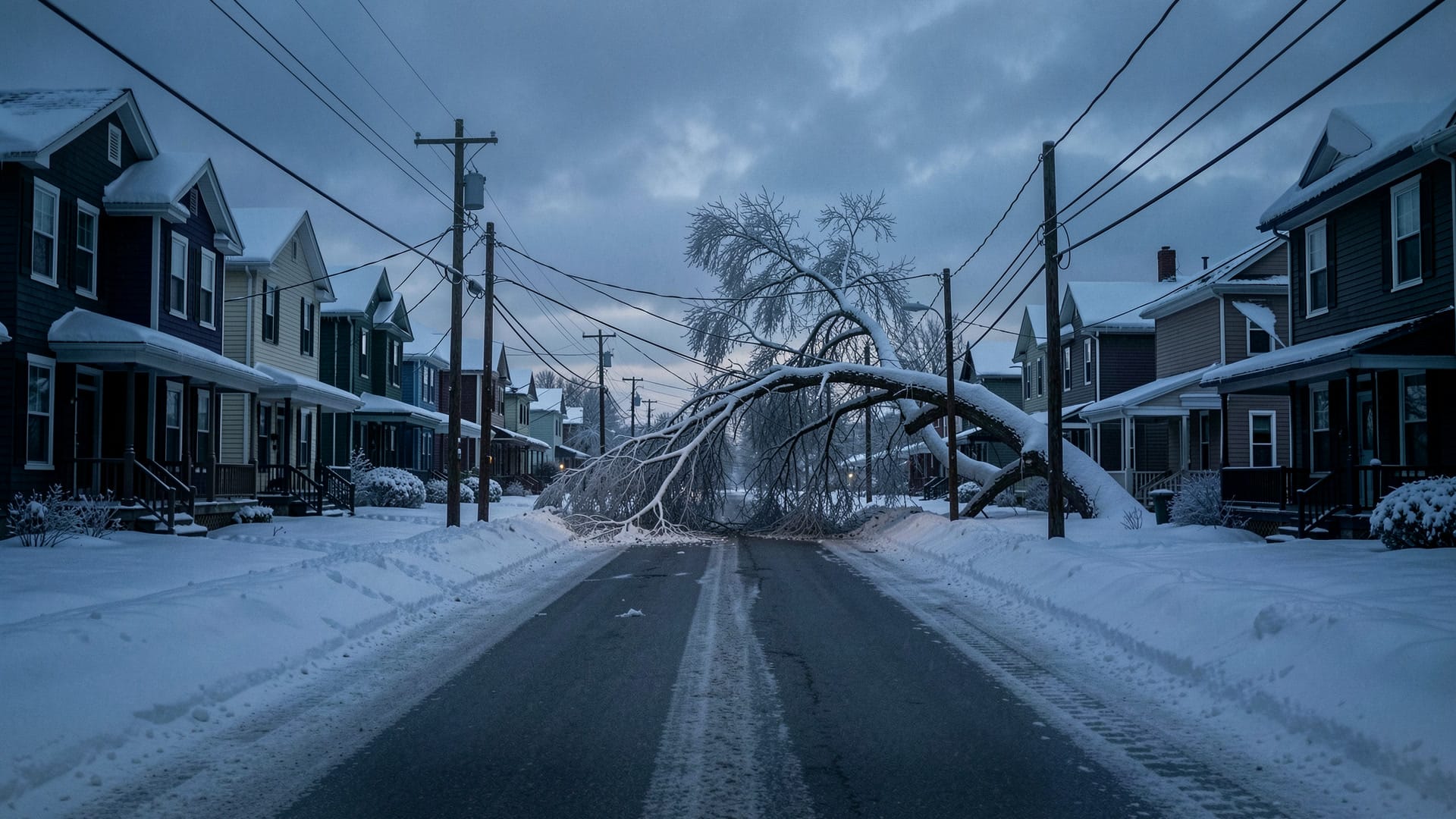
A winter blackout starts quietly. The lights blink, the furnace stops, and the house still feels warm. That delay makes the first hour easy to waste. By the ...
Quick answer
Before a winter power outage, identify everything that depends on electricity, charge backup batteries, prepare one warm room, protect food and medication, and choose two relocation options. When power fails, keep refrigerators closed, conserve phone power, use safe battery lighting, and never run generators or outdoor cooking equipment inside. Leave early if the home cannot safely support vulnerable people or critical medical needs.
A winter blackout starts quietly. The lights blink, the furnace stops, and the house still feels warm. That delay makes the first hour easy to waste. By the time rooms feel cold, batteries may be depleted and safer places harder to reach.
A winter outage plan should protect people, conserve heat and power, preserve food and medicine, and set a leaving point. This checklist covers houses and apartments, including households with children, older adults, pets, or powered medical needs.
Before winter: learn what stops when electricity stops
Identify every critical electrical dependency: furnace blower, boiler controls, well pump, electric ignition, refrigerator, internet equipment, garage door, stair lift, medical device, or refrigerated medication. A gas furnace usually still needs electricity for controls and circulation.
Test lights, carbon monoxide and smoke alarms, emergency radios, power banks, and backup power. Place lights near bedrooms, stairs, bathrooms, and the electrical panel. If you are starting from scratch, use our home power outage supply guide to buy the highest-priority items before specialized gear.
Write down the utility outage number, emergency contacts, medication details, and two relocation options. Ask the relevant medical provider how to handle powered devices and refrigerated medicines during an extended outage.
Twenty-four hours before a forecast winter storm
Charge phones, power banks, portable power stations, rechargeable lights, and medical-device backups.
Turn the refrigerator and freezer to their recommended cold settings, freeze water containers with room for expansion, and place appliance thermometers inside.
Gather dry layers, hats, gloves, socks, blankets, and sleeping bags in one accessible room.
Fill safe drinking-water containers and set aside simple food that requires little or no cooking.
Refill essential prescriptions when possible and confirm the storage instructions for temperature-sensitive medicine.
Fuel vehicles and approved outdoor generators safely, following local storage rules and the manufacturer's instructions.
Check weather alerts, warming-center information, road conditions, and the needs of nearby relatives or neighbors.
Before snow begins, label charging cables, test equipment, and put the manual can opener where everyone can find it.
The first 10 minutes after the power fails
Confirm whether the outage is limited to your home. Check the breaker panel only if it is safe, report the outage, and treat the utility's restoration time as an estimate.
Keep refrigerator and freezer doors closed. Put phones into low-power mode and unplug sensitive electronics if power flickers. Use a headlamp for moving and one lantern in the shared room. Our guide to blackout lights for the home explains where headlamps, lanterns, and flashlights work best.
Check powered medical devices, refrigerated medicine, mobility equipment, and communication needs. If you cannot support them safely, move to the backup location before roads and indoor conditions worsen.
Make one warm room, not a warm house
Choose one smaller room where everyone can gather safely. Fewer windows may slow heat loss, but access, ventilation, and mobility needs matter more than a theoretically perfect room. Close unused rooms and block obvious drafts with towels or rolled clothing.
Insulate underneath people as well as above them with rugs, sleeping pads, mattresses, cardboard, blankets, or sleeping bags. Wear dry layers, change damp clothing, and avoid exercising until you sweat.
For detailed room selection, layering, cold-stress warning signs, and safe relocation decisions, follow our guide to staying warm indoors without fire or electricity. This checklist deliberately does not repeat that full warmth plan.
Use backup power by priority
Rank loads by consequence, not convenience. Medical equipment and communication may come first, followed by lighting and refrigeration. Heating and cooking devices drain batteries quickly, so compare actual wattage with usable battery capacity.
A power bank can cover phones and USB devices. A power station supports larger loads for a limited period. A generator offers sustained output but adds fuel, weather, electrical, and carbon monoxide hazards. Our power bank versus portable power station comparison helps match the tool to the job.
Never connect a portable generator to household wiring without approved transfer equipment installed by a qualified electrician.
Protect food, water, and medication
According to Ready.gov's power-outage guidance, an unopened refrigerator stays cold for about four hours. A full freezer holds temperature for about 48 hours and a half-full one for about 24. Use appliance thermometers and current FDA or USDA guidance. Food held at 40°F (4°C) or higher for two hours or more may be unsafe. Never taste it to judge.
List refrigerator contents to avoid opening the door. Use food first only while it remains within safe temperature limits. Detailed keep-or-discard rules are in our power-outage food-safety guide.
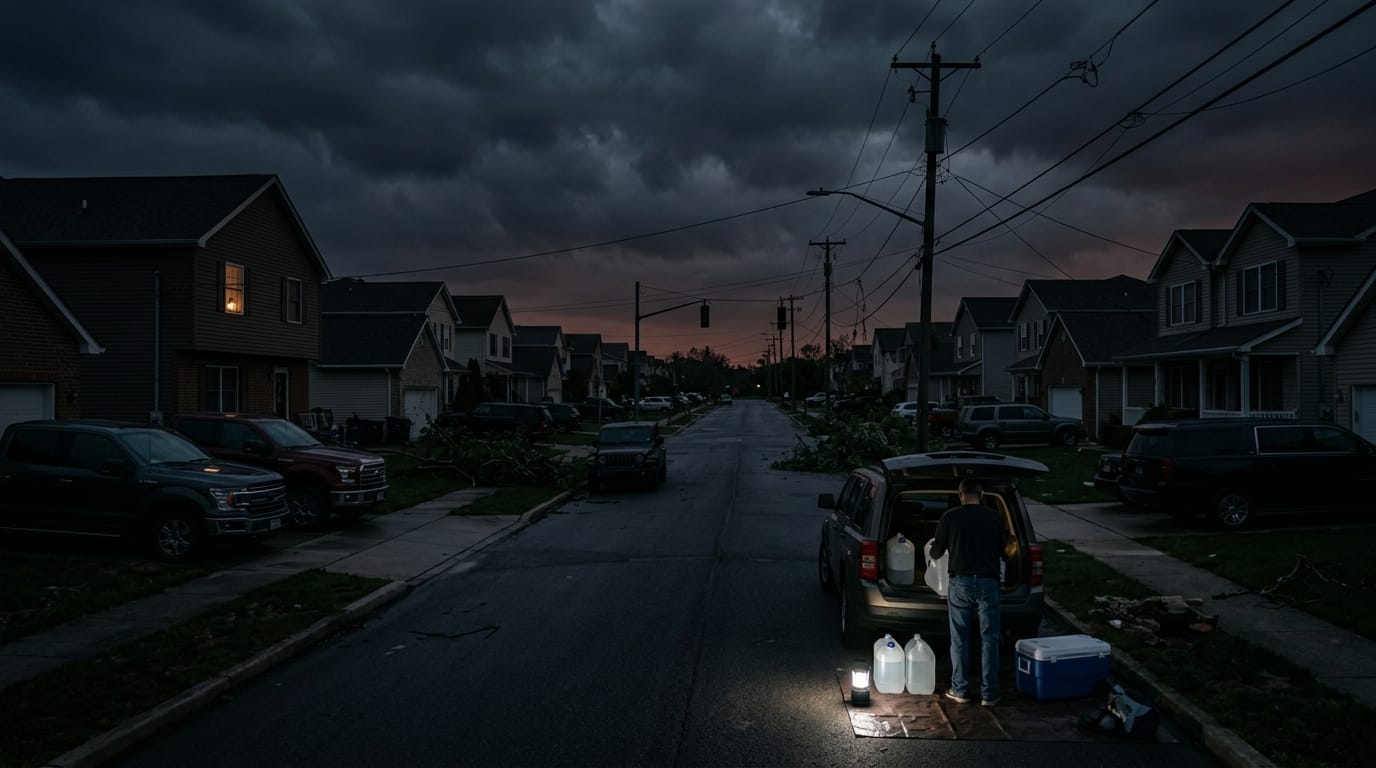
Homes with electric well pumps can lose running water immediately. Store drinking water before the storm, follow local advisories, and never reuse containers that held chemicals.
Prevent carbon monoxide and fire
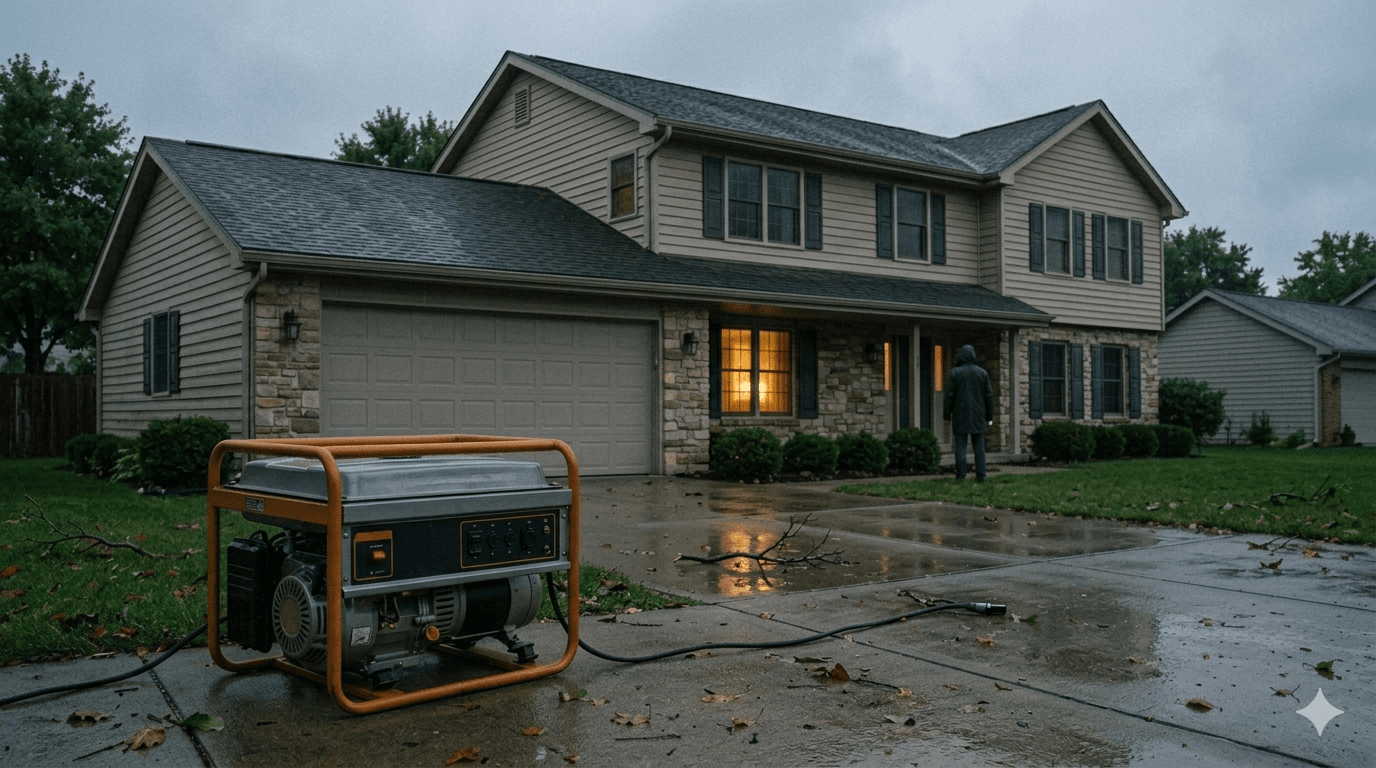
Never use a grill, camp stove, gas oven, or vehicle engine to heat a home. Ready.gov says portable generators belong outdoors, at least 20 feet (about 6 meters) from doors, windows, and vents, with exhaust directed away. Never run one in a garage, basement, shed, porch, or partly enclosed space.
Carbon monoxide is colorless and odorless. Keep battery-backed alarms working on every level as local guidance recommends. Review the generator carbon monoxide safety checklist before an outage, not while trying to start equipment in the dark.
If an alarm sounds or anyone develops headache, dizziness, weakness, nausea, chest pain, or confusion, move to fresh air and call emergency services. Do not re-enter until professionals say it is safe.
Know your leaving point before you are cold
Leaving for a warming center, hotel, shelter, or another home is a preparedness decision. Follow evacuation orders. Leave early if medical needs cannot be supported, conditions are worsening, transport may become unavailable, or a vulnerable person cannot be kept warm.
Do not rely on one indoor-temperature number. Risk depends on duration, clothing, health, age, moisture, and available shelter. Watch people, not just the thermometer. Uncontrollable shivering, clumsiness, slurred speech, confusion, unusual sleepiness, or weakness require urgent action. A cold, confused person who stops shivering may be in greater danger.
Keep the vehicle fueled, identify two destinations, and pack medicines, identification, mobility equipment, chargers, warm layers, and records. Review prolonged-outage needs in our five-day power outage field guide.
Your final winter power outage checklist
Map every critical electrical dependency, including heat, water, medicine, mobility, and communication.
Test lights, alarms, radios, batteries, chargers, and backup power.
Prepare dry layers, sleeping bags, blankets, and one practical warm room.
Store safe water, easy meals, a manual can opener, and appliance thermometers.
Write down contacts, medical instructions, warming centers, and two relocation options.
Keep refrigerators closed and conserve phone power as soon as the outage begins.
Use fuel-burning equipment only in approved locations and exactly as instructed.
Set a clear leaving point before weather, roads, batteries, or health deteriorate.
For a printable version you can keep with your supplies, download the free blackout preparedness checklist. Print it before winter, walk through it once with the household, and fix the first three weak points you find.
A winter outage is easier to manage when decisions are made while the home is still warm. Charge early, conserve immediately, avoid combustion shortcuts, and leave before a cold house becomes an emergency.
Editorial note
This article was prepared from current Ready.gov, National Weather Service, CDC, and FDA guidance and was scoped as a winter-specific planning checklist to complement, rather than duplicate, TSN's detailed warmth, equipment, and food-safety guides. Follow local emergency instructions and individualized medical advice during an actual outage.
Article recap
- Map every critical electrical dependency before winter, including heat, water, medication, mobility, and communication.
- Use the first minutes of an outage to conserve heat, food temperature, phone power, and battery capacity.
- Gather the household in one practical warm room instead of trying to heat the entire home.
- Operate generators only outdoors, at least 20 feet (about 6 meters) from doors, windows, and vents.
- Choose relocation options and a clear leaving point before the home becomes dangerously cold.
Sources and further reading
- Ready.gov: Power Outages — accessed Aug 2026
- Ready.gov: Winter Weather — Ready.gov, accessed May 2026
- National Weather Service: Winter Weather Safety — National Weather Service, accessed May 2026
- CDC: Preventing Hypothermia and Frostbite — CDC, accessed May 2026
- CDC: Carbon Monoxide Poisoning — accessed Aug 2026
- FDA: Food and Water Safety During Power Outages and Floods — FDA, accessed May 2026
Read next

Questions readers askFrequently asked questions
Move everyone into one smaller interior room, add dry layers, block obvious drafts, gather blankets and sleeping bags, and monitor vulnerable people while you plan the next step.
No. Outdoor cooking gear and generators can produce carbon monoxide and should not be used indoors, in garages, or near open windows.
A portable generator must be operated outdoors, far from doors, windows, and vents, exactly as the manufacturer instructs. Never use one in a home, garage, basement, shed, or other enclosed or partly enclosed area. Working carbon monoxide alarms are essential.
Leave if officials order an evacuation or if the home can no longer protect someone from dangerous heat, cold, fire, flooding, carbon monoxide, or a medical risk. Decide in advance where you can go and how you will transport people, pets, medicines, and essential equipment.
Plan for at least several days, then extend the plan according to local hazards, medical needs, climate, and how quickly utility crews can reach your area. A short outage kit should still work if the interruption lasts longer than expected.
Comments
Leave a comment
No comments yet. Be the first to comment!