Collapse & conflict
Strait of Hormuz and the Inflation Shock
The Strait of Hormuz matters because modern life runs on flow. Oil flows through it. LNG flows through it. Tankers move through it. When that flow breaks, th...
Quick answer
A Strait of Hormuz disruption would matter to households because energy prices feed into fuel, freight, groceries, utilities, and public mood. You do not need to predict geopolitics. Keep a fuel buffer, deepen normal pantry staples, protect cash flow, reduce unnecessary trips, and follow credible energy and emergency information instead of panic headlines.
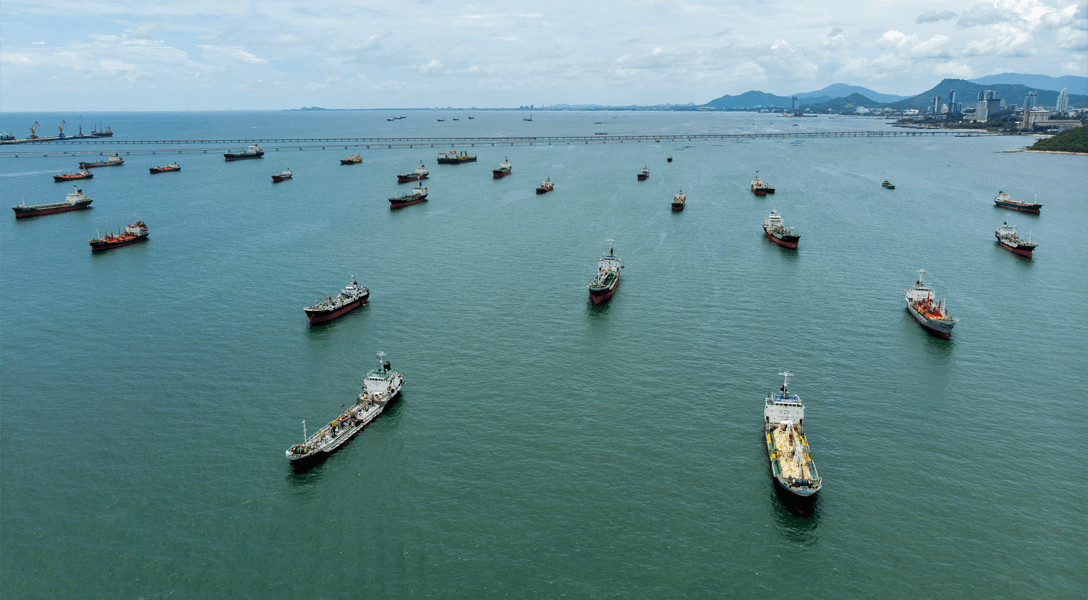
The Strait of Hormuz matters because modern life runs on flow. Oil flows through it. LNG flows through it. Tankers move through it. When that flow breaks, the damage does not stay on a map. It shows up at the pump, in freight costs, in grocery bills, in construction budgets, and in the public mood. Right now that risk is not theoretical. The current Iran war has already disrupted shipping through Hormuz hard enough to slash OPEC output and push oil sharply higher.
This is why terms like Hormuz, Ormuz, Iran, Trump, and even WW3 suddenly explode in search traffic. People sense that this is bigger than another Middle East headline. They are right. The Strait of Hormuz normally handles about one-fifth of global oil flows, and it is also a major route for LNG. A serious disruption there does not just hurt one country. It hits the global pricing system.
Why this can turn into inflation fast
Energy is upstream of almost everything. When oil jumps, diesel gets more expensive. When diesel gets more expensive, trucking, farming, shipping, delivery, and construction all start absorbing higher costs. If LNG markets tighten too, fertilizer and industrial processes feel it next. That is how an energy shock spreads outward into food, materials, and eventually wages and broader inflation psychology. Europe is already seeing headline inflation rise again with energy named as the main driver.
That does not mean every shelf goes empty tomorrow. It means the probability of rolling price pain rises with every week the disruption lasts. If Hormuz stays unstable, the most likely early effects are higher fuel bills, more expensive groceries, transport delays, and a general sense that normal pricing no longer holds. Reuters reports that analysts have already made the steepest upward revision on record to oil forecasts because of the Iran war shock.
Why this can feel like SHTF before it becomes true SHTF
The first stage is usually not collapse. It is friction.
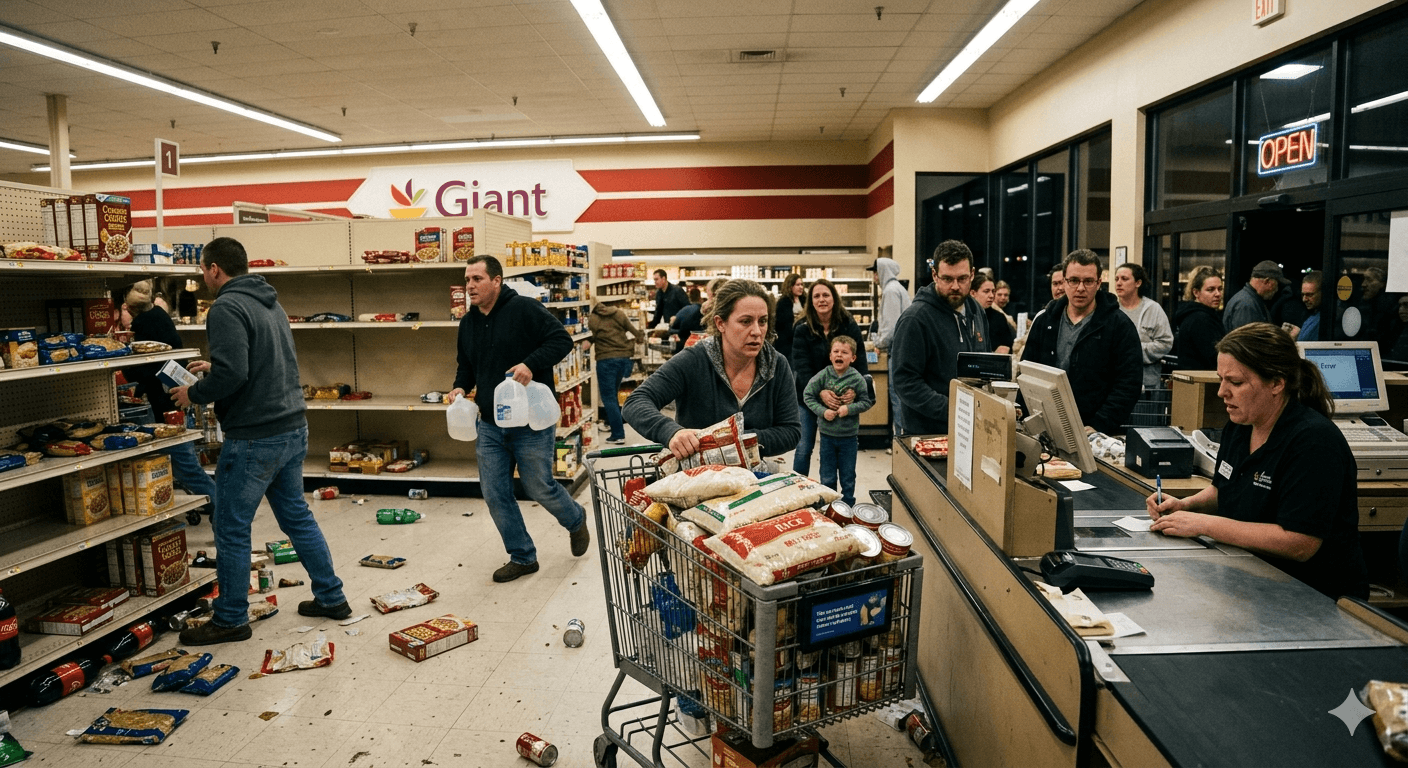
Card payments still work, but everyone feels poorer. Gas stations are open, but fuel is painful enough that people delay trips and panic when prices jump again. Stores still have food, but the bill keeps climbing. Contractors pause projects because inputs are too volatile to price confidently. Then the social layer starts reacting. People hoard. Rumors spread. Anger looks for a target. If another shock lands on top, like a cyber outage or a political flashpoint, that friction can turn into real disorder fast.
This is why a Strait of Hormuz crisis belongs on a preparedness site. Not because you need to become an oil analyst, but because second-order effects are exactly how a normal month turns ugly.
What to do now
Do not prepare for apocalypse. Prepare for a long, expensive disruption.
Start with fuel. Do not run your vehicle down to fumes. Keep a working buffer so one bad week at the pump does not trap you. Next is food. Build depth in staples you already use, especially shelf-stable basics that let you absorb grocery inflation without constant emergency runs. Then look at cash flow. If fuel and food stay elevated, the weak point for most households is not “survival gear.” It is budget compression.
The practical household checklist is simple:
If the pressure reaches payment systems or store shelves, the same basics from cyber outage survival for 72 hours and a smart prepper grocery run apply: keep purchases boring, useful, and already part of your household routine.
keep a fuel buffer instead of waiting for the warning light
deepen your pantry with normal foods, not fantasy prepper junk
keep a cash reserve for short payment or logistics disruptions
delay non-essential spending if your budget is already tight
top up critical household consumables before panic buying starts
The bigger lesson
Hormuz is not dangerous only because of ships and oil. It is dangerous because it can trigger chain reactions. A prolonged Iran crisis can drive inflation. Inflation can drive public anger. Public anger can fuel unrest, hoarding, labor pressure, and political instability. Layer a cyber event or grid problem on top of that, and a pure energy story becomes a domestic resilience story very quickly.
You do not need to predict whether Trump escalates, whether Iran backs down, or whether people online keep calling it WW3. You just need to understand the practical rule: when a chokepoint that carries a huge share of the world’s energy gets hit, the pain travels. Households that have fuel discipline, pantry depth, cash breathing room, and lower dependence on just-in-time life handle that pain better than everyone else.
Editorial note
This article discusses geopolitical supply-chain risk from a household-preparedness angle. It is not investment advice, political forecasting, or a prediction that a specific conflict will occur.
Article recap
- Hormuz risk becomes household risk through fuel prices, freight costs, food prices, and confidence shocks.
- The practical preparation is financial and logistical resilience, not panic buying.
- Use official energy data and local emergency guidance; online war rumors are a poor planning tool.
Sources and further reading
- EIA: The Strait of Hormuz is the world’s most important oil transit chokepoint — U.S. Energy Information Administration, accessed May 2026
- EIA: Oil and petroleum products explained — U.S. Energy Information Administration, accessed May 2026
- Ready.gov: Make a Plan — Ready.gov, accessed May 2026
Read next
Questions readers askFrequently asked questions
A serious disruption can raise oil and fuel costs, which can ripple into shipping, groceries, utilities, construction, and household budgets. The timing and severity depend on the disruption, market response, and local conditions.
Avoid running vehicles near empty, combine trips, maintain a modest cash reserve, deepen normal pantry staples, and delay non-essential spending if your budget is tight. Do not store fuel unsafely or ignore local rules and manufacturer guidance.
Comments
Leave a comment
No comments yet. Be the first to comment!