Power outages
How to Stay Warm Indoors Without Fire or Electricity
The power is out. The furnace is dead. The house is getting colder by the hour, and lighting a fire is not an option. Maybe you live in an apartment. Maybe t...
Quick answer
If the power is out and you have no safe heat source, focus on keeping people warm before trying to warm the building. Move to one small interior room, block obvious drafts, layer dry clothing, use blankets or sleeping bags, eat and drink safely, and avoid any indoor flame or fuel-burning device not specifically rated for indoor use. If indoor temperatures keep falling or someone is at higher risk, plan to relocate to a warming center or safer shelter.
The power is out. The furnace is dead. The house is getting colder by the hour, and lighting a fire is not an option. Maybe you live in an apartment. Maybe the fireplace is blocked or unsafe. Maybe you have no fuel, no stove, and no way to ventilate safely.
This is the moment when warmth stops being comfort and becomes a survival problem.
The mistake most people make is trying to heat the whole home. Without electricity or fire, you probably cannot do that. Your goal is smaller and more realistic: keep bodies warm, protect one room, slow heat loss, and avoid dangerous shortcuts.
Cold rooms usually arrive with wider disruption, so pair this plan with a blackout survival plan, realistic backup power options, and the longer household routines in the first 100 days after collapse.
Warmth is easier to manage when the rest of the blackout basics are already handled. If you have not built that foundation yet, use a home power outage kit to cover safe blackout lighting, phone charging, water, food access, and communication before you start improvising in the cold. For the complete cold-weather sequence, start with the winter power outage checklist.
Start by shrinking the battlefield
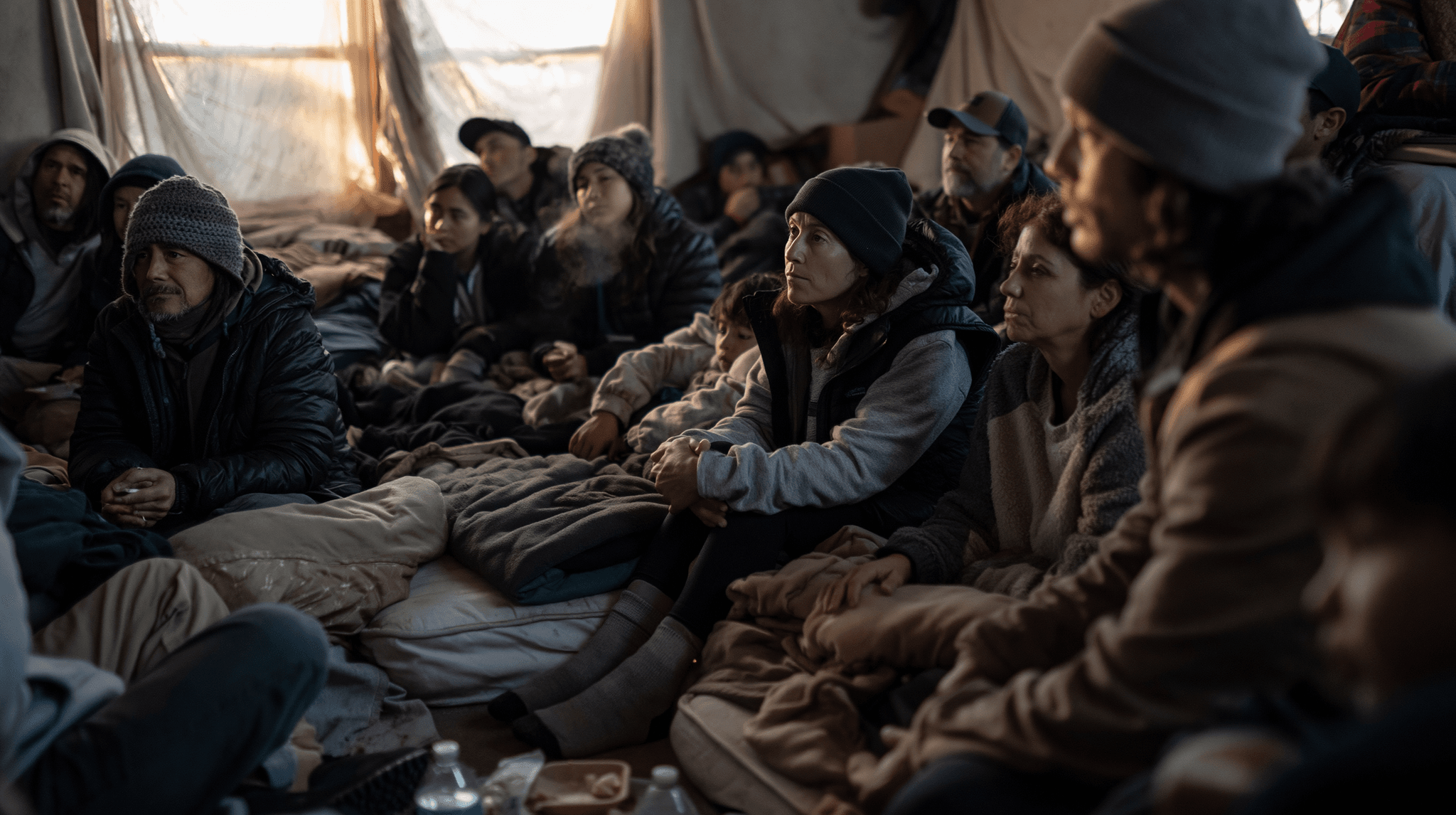
Do not spread the family across the whole house. Pick one room and turn it into the warm zone. Smaller is better. Interior rooms usually hold heat better than rooms with large windows or outside walls. Upstairs rooms may be warmer, but only if they are safe and easy to access.
Close doors to unused rooms. Put towels, blankets, or rolled clothing along the bottom of doors to reduce drafts. Cover windows with blankets, curtains, cardboard, or anything that creates another layer between you and the cold glass.
You are not “heating the room.” You are slowing the rate at which heat escapes.
Use layers the right way
Warm clothing works because it traps air. One huge coat indoors is often less effective than several thinner layers that manage moisture and air pockets.
Start with a dry base layer. Add insulation over it. Keep socks dry. Cover your head and neck, because those areas lose heat fast when the rest of the body is under stress. Gloves help even indoors if your hands are getting cold.
The dangerous mistake is sweating. If you overdo activity, overdress, or sleep buried under too much insulation and wake damp, you lose warmth faster later. Cold plus sweat is a bad trade. Stay warm, not sweaty.
Build a body heat zone
When the room is cold, stop thinking like it is normal living space. Think like it is a shelter.
Put mattresses, blankets, sleeping bags, cushions, rugs, or cardboard on the floor. The floor can pull heat out of your body quickly, especially concrete or tile. Get everyone off bare surfaces.
A simple indoor “nest” works well: insulation underneath, people close together, blankets over the top, and a small opening for air. Families can share heat better than isolated individuals. Kids especially benefit from being close to adults, because they lose heat faster and may not describe cold stress clearly.
Do not seal yourself into plastic or an airtight space. You want to trap warmth, not block breathing or create condensation problems.
Eat and drink for heat
Your body needs fuel to produce heat. If you are cold and not eating, you will get colder faster.
Choose simple calorie-dense foods that do not require cooking: peanut butter, nuts, crackers, canned fish, dried fruit, granola, chocolate, tortillas, protein bars, or anything ready-to-eat that your family tolerates. Warm meals are nice, but calories matter more.
Hydration still matters in cold weather. People often drink less because they are not sweating, but dehydration makes the body work worse. Sip water regularly. Avoid using alcohol as a “warming” trick. It can make you feel warm while actually increasing heat loss and dulling judgment.
Move, but do not burn yourself out
Light movement helps circulation. A few minutes of walking around the room, gentle squats, or moving arms and legs can help you feel warmer.
The mistake is turning survival into a workout. Heavy exercise makes you sweat, wastes calories, and can leave you colder after you stop. Use movement as a short tool, not a project.
Watch for cold stress early
Cold problems creep in. People do not always notice when they are getting unsafe, especially children, older adults, and anyone exhausted or sick.
Early warning signs include uncontrollable shivering, clumsy hands, slurred speech, confusion, unusual sleepiness, and pale or very cold skin. If someone stops shivering but is still cold and acting strange, that is more dangerous, not better.
Warm them gradually with dry layers, shared body heat, insulation from the floor, and calorie intake if they are awake and able to swallow. If symptoms are severe or worsening, treat it as an emergency.
Do not create a second disaster
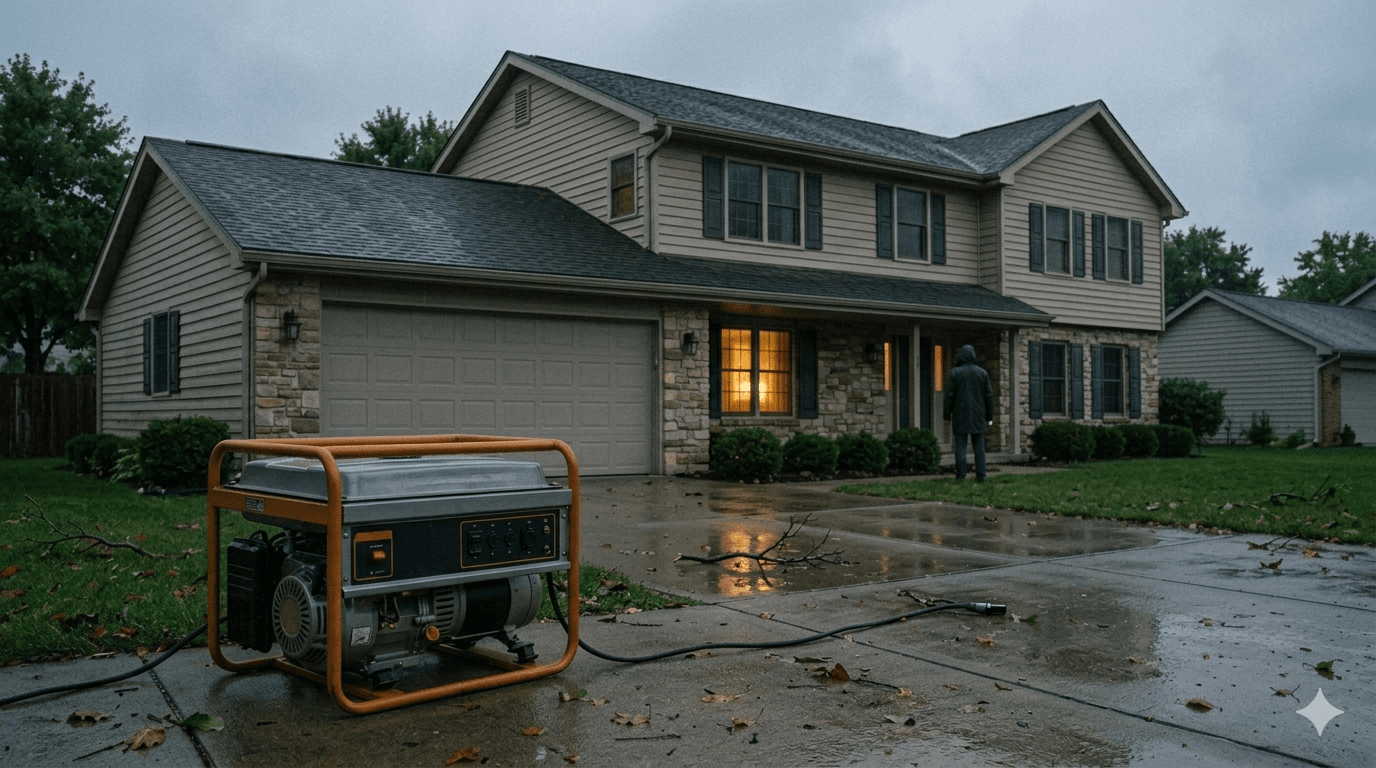
When people get desperate for heat, they make deadly choices. Do not run grills, charcoal, camp stoves, gas ovens, or generators indoors. Carbon monoxide can kill quietly, and you may not get a warning before it is too late.
Do not burn random materials inside a container and assume it is controlled. Do not bring outdoor heaters inside unless they are specifically rated for indoor use and used exactly as directed. In many homes, “creative heat” is more dangerous than the cold.
If you have no safe heat source, commit fully to insulation, room control, body heat, dry clothing, food, and early evacuation if the home becomes too cold to manage.
Know when staying becomes the wrong choice
Bugging in only works while the shelter is still protecting you. If indoor temperatures keep dropping, someone vulnerable is deteriorating, pipes are freezing, or you cannot keep children warm through the night, staying may stop being the safer option.
Leave before you are desperate if you have a safer place to go: a relative, warming center, hotel, public shelter, or even a vehicle used carefully for transport rather than indoor idling. Waiting until everyone is exhausted makes every decision worse.
The real goal
Staying warm without fire or electricity is not about one clever trick. It is about stacking small advantages: one room, fewer drafts, dry layers, insulation from the floor, shared body heat, steady calories, and no stupid heat sources.
The cold wins when you try to live normally in an abnormal situation. You win by shrinking the problem until it becomes manageable.
Editorial note
This article was refreshed for searches around staying warm without electricity, warming one room safely, and no-fire blackout heat strategies. It avoids unsafe indoor combustion advice and should be read alongside local emergency guidance during severe winter weather.
Article recap
- Warm the person first: dry layers, hats, socks, blankets, and sleeping bags matter more than trying to heat the whole home.
- Pick one interior room, reduce drafts, and keep everyone together instead of spreading heat across the house.
- Do not use grills, camp stoves, charcoal, or outdoor heaters indoors; carbon monoxide can kill without warning.
- Know when to leave: extreme cold, vulnerable family members, or loss of safe shelter may require a warming center.
Sources and further reading
- Ready.gov: Winter Weather — Ready.gov, accessed May 2026
- CDC: Preventing Hypothermia and Frostbite — CDC, accessed May 2026
- National Weather Service: Winter Weather Safety — National Weather Service, accessed May 2026
Read next
Questions readers askFrequently asked questions
Move everyone into one smaller interior room, add dry layers, block obvious drafts, gather blankets and sleeping bags, and monitor vulnerable people while you plan the next step.
No. Outdoor cooking gear and generators can produce carbon monoxide and should not be used indoors, in garages, or near open windows.
Comments
Leave a comment
No comments yet. Be the first to comment!